Behind Every Cocktail: The Faces and Stories Shaping Madrid's Bar Revolution
From immigrant entrepreneurs to third-generation bartenders, the people reinventing Madrid's nightlife reveal a city far more complex than its party reputation suggests.
From immigrant entrepreneurs to third-generation bartenders, the people reinventing Madrid's nightlife reveal a city far more complex than its party reputation suggests.
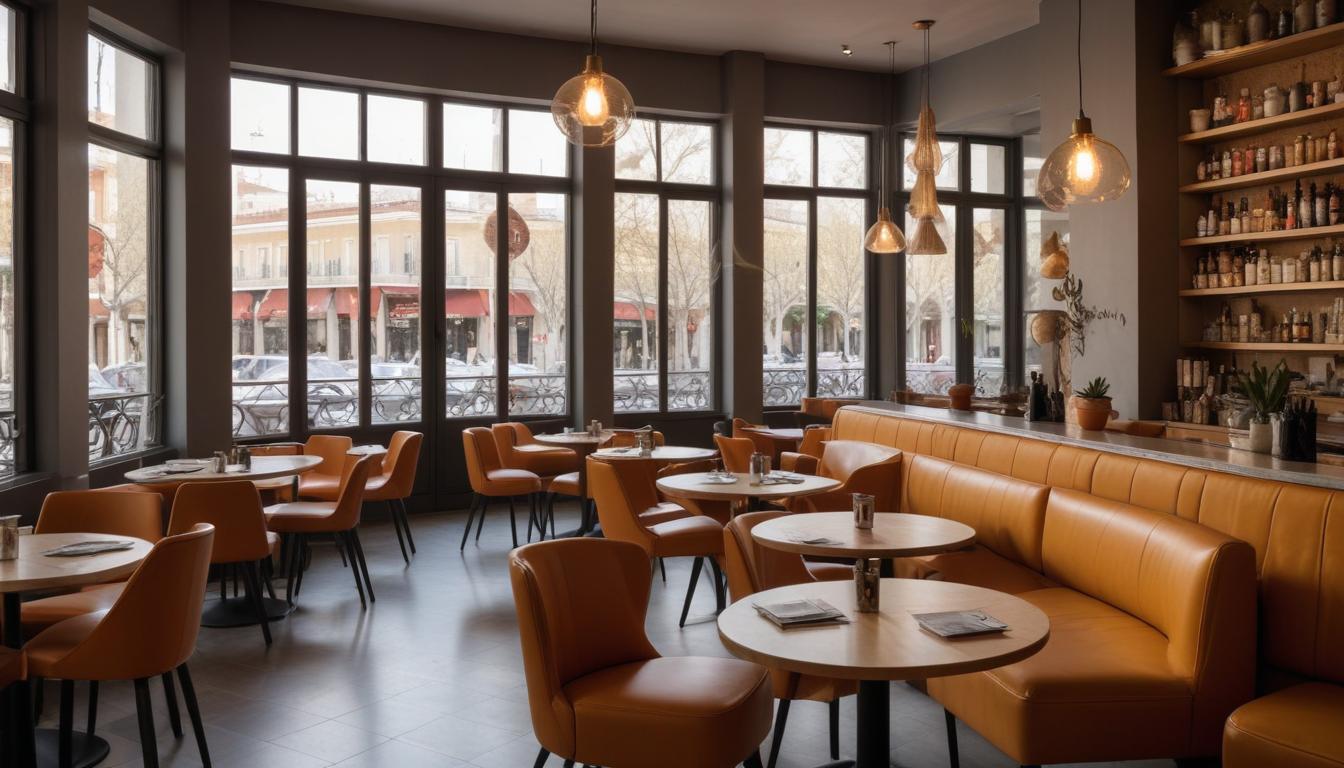
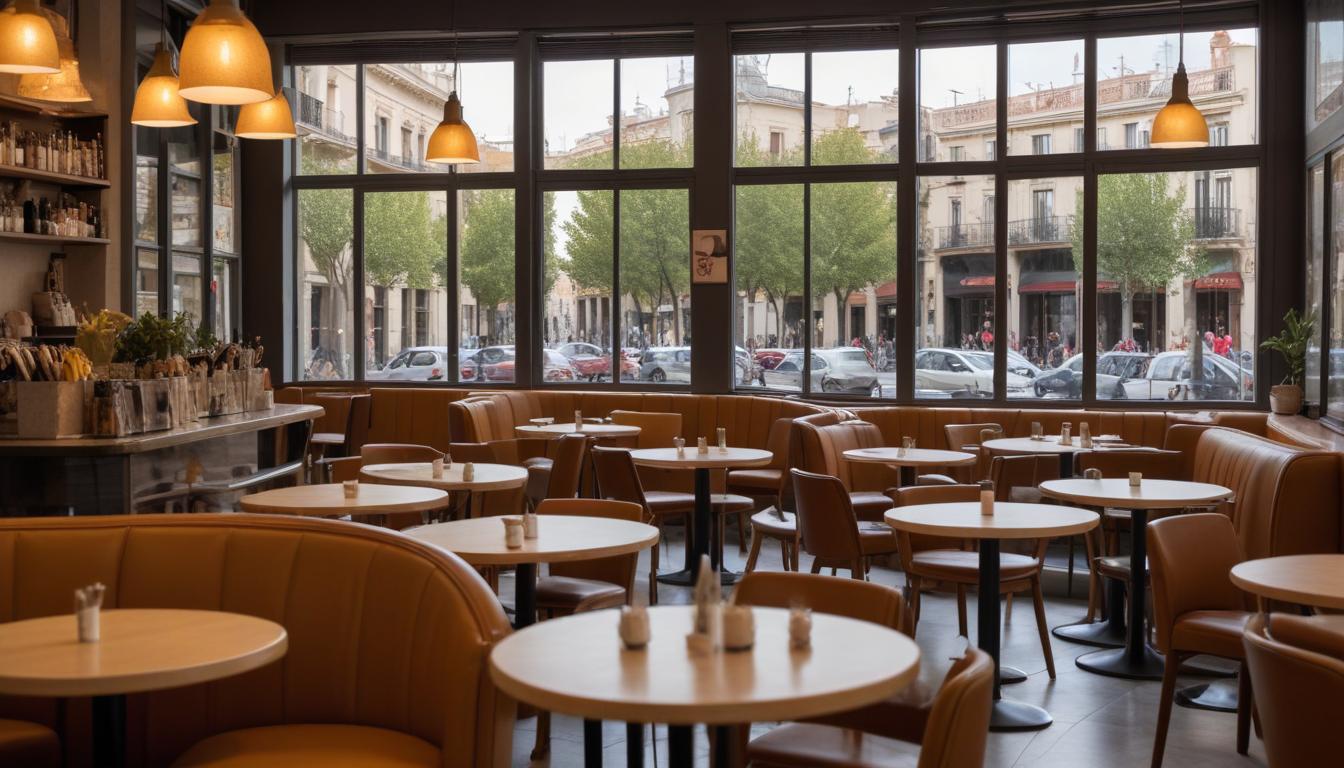
On any given Thursday night, Malasaña pulses with a particular energy—one built not by algorithms or marketing departments, but by the everyday heroes who've chosen to make Madrid's bar scene their life's work. Walk down Calle San Andrés and you'll find stories that complicate the city's glossy tourism brochure.
Consider the micro-economy of Spanish bartending, which has transformed dramatically over the past decade. According to the Madrid Chamber of Commerce, the hospitality sector now employs over 145,000 people across the region, with independent bar owners representing approximately 40 percent of the market. These aren't faceless operators—they're architects of community, gatekeepers of culture, and often, immigrant success stories rarely told in mainstream narratives.
In Chueca, several bars have become informal cultural hubs precisely because their owners understood something fundamental: people don't just want drinks, they want belonging. The neighborhood's shift from marginalized to magnetic happened because individual proprietors—many from Latin America, Eastern Europe, and North Africa—decided to create spaces where their communities could gather authentically. Prices typically range from €5 for a caña to €12 for craft cocktails, a deliberate accessibility that reflects their clientele's economic reality.
The craft cocktail movement, which has exploded across central Madrid since 2018, tells another story: that of younger Madrileños reclaiming their city's nightlife from mass tourism. These bartenders often work 50-hour weeks for modest salaries, yet maintain obsessive standards about sourcing, technique, and customer experience. They're competing not just locally but globally—Madrid now hosts several bars in international top 100 lists, a development driven entirely by individuals determined to prove the city's sophistication.
La Latina's traditional tavern culture offers yet another angle: the aging owners who've watched their neighborhoods gentrify while maintaining their original vision. These aren't heritage museums but living relationships—regular customers spanning decades, family recipes adapted seasonally, prices that haven't dramatically inflated despite astronomical rent increases.
What unites these disparate stories is intentionality. Madrid's bar renaissance isn't happening because the city decided it should; it's happening because individuals—often working against economic headwinds and cultural stereotypes—chose to build something worth staying for.
That's the real nightlife revolution: not the venues, but the people who've made them matter.
This article was compiled by AI from the sources linked above and screened before publishing. See our editorial standards.
How does this story make you feel?
Spread the word
About this article
Published by The Daily Madrid
Daily brief
Free, in your inbox before 7am. Weekdays.
More in lifestyle