Your Neighbourhood Explorer's Guide: How to Really Know Madrid Like a Local
From hidden tapas bars to community gardens, here's how residents are rediscovering their own city's hidden corners.
From hidden tapas bars to community gardens, here's how residents are rediscovering their own city's hidden corners.
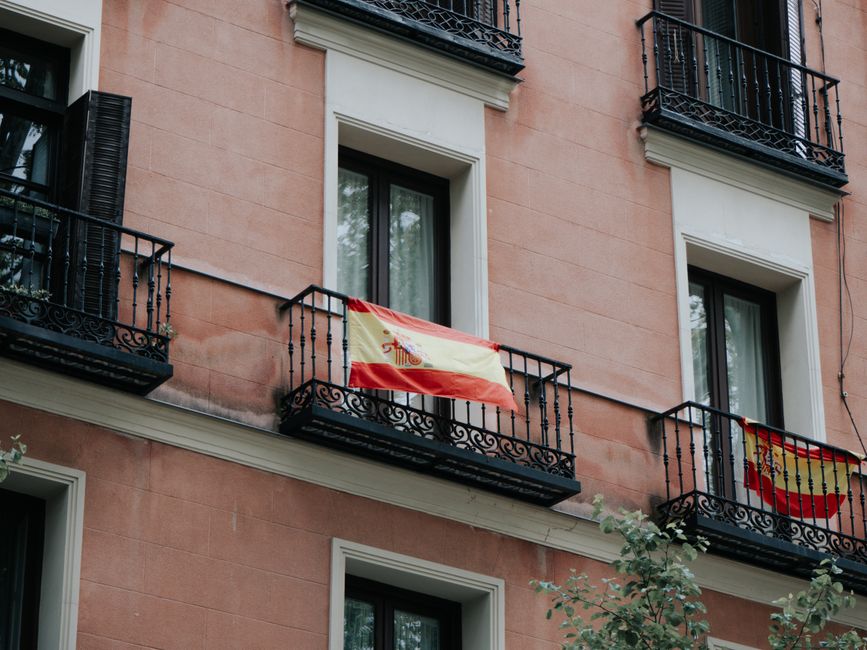
Madrid's neighbourhoods have always operated as semi-independent villages within a sprawling metropolis. But increasingly, residents are moving beyond their immediate postcode to genuinely explore what surrounds them—and the rewards are worth the effort.
Start with Malasaña, the bohemian heart that stretches around Calle San Andrés and Tribunal. Yes, it's touristy now, but venture into the quieter stretches around Plaza del Dos de Mayo and you'll find independent bookshops, vintage record stores, and local cooperatives that rarely make Instagram. The neighbourhood's community gardens, particularly Huerto del Retiro's sister project on Calle Velarde, welcome residents for weekend work sessions. Budget €8-12 for authentic menu del día in family-run restaurants off the main drags.
For something genuinely undiscovered, head to Vallecas. Once dismissed as peripheral, this working-class neighbourhood is experiencing a grassroots cultural renaissance. Community centres like Ateneo Científico y Literario host free evening talks and exhibitions. The weekend market at Plaza de Vallecas offers produce at roughly 30% less than central Madrid prices—a practical advantage for those budgeting seriously.
Chamberí represents another frontier. This mid-century residential zone, bisected by the elegant Paseo de Santa Engracia, feels genuinely lived-in. The neighbourhood association organises monthly street markets and the local biblioteca (library) offers free language exchanges and cultural workshops. The restored Teatro Lara hosts intimate performances that capture Madrid's theatrical heritage without central tourist prices.
Getting practical: invest in the Cercanías train pass (€30-40 monthly) to explore beyond metro reach. Apps like Mi Madrid and Decide Madrid let you track what community groups are actually proposing—from playground renovations to cultural programming. Many neighbourhoods maintain active WhatsApp groups and online platforms; ask at your local administración de distrito.
The real Madrid emerges when you embrace the Spanish rhythm: long aperitivos at neighbourhood bars (€2-3 for a caña and tapa), Sunday paseos through local parks, and Wednesday evening tertulia gatherings where residents discuss everything from local politics to favourite restaurants. These aren't tourist experiences; they're how the city actually functions.
The neighbourhoods worth exploring aren't those with the shiniest branding. They're the ones where residents have already settled, where community matters, and where you can still afford to actually live. That's where Madrid's genuine character lives.
This article was compiled by AI from the sources linked above and screened before publishing. See our editorial standards.
How does this story make you feel?
Spread the word
About this article
Published by The Daily Madrid
Daily brief
Free, in your inbox before 7am. Weekdays.
More in lifestyle