Why Madrid's Neighbourhood Culture Stands Apart From Every Other European Capital
From tertulia traditions to late-night authenticity, Madrid's barrios offer a lifestyle rhythm that global cities struggle to replicate.
From tertulia traditions to late-night authenticity, Madrid's barrios offer a lifestyle rhythm that global cities struggle to replicate.
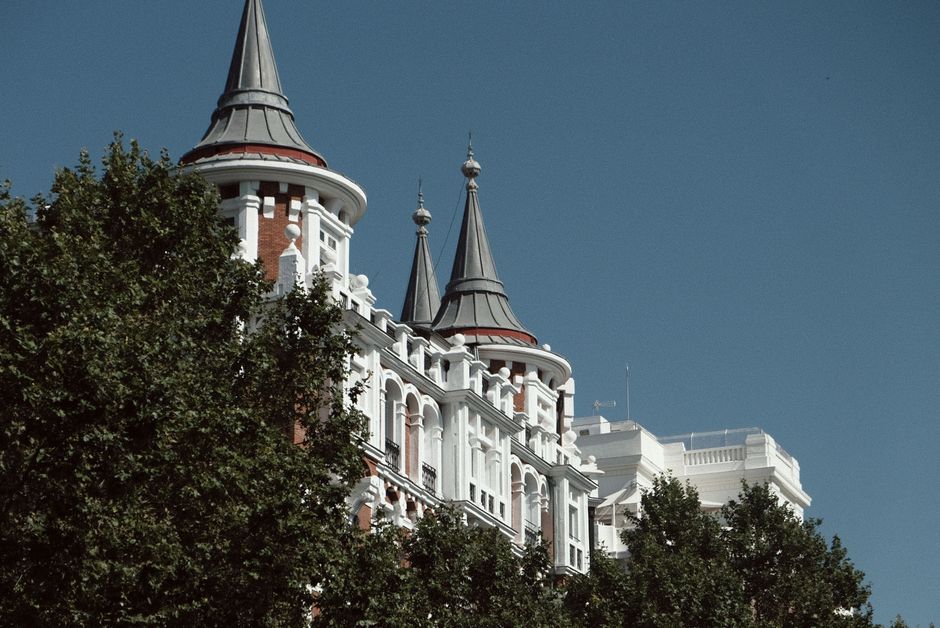
Walk through the narrow streets of La Latina on any evening, and you'll witness something increasingly rare in 21st-century European capitals: genuine street life. Families linger on benches outside centuries-old tabernas. Neighbours greet each other by name. This isn't curated nostalgia—it's how Madrid's neighbourhoods actually function, a distinction that separates Spain's capital from the polished, often sterile urban centres of London, Paris, or Barcelona.
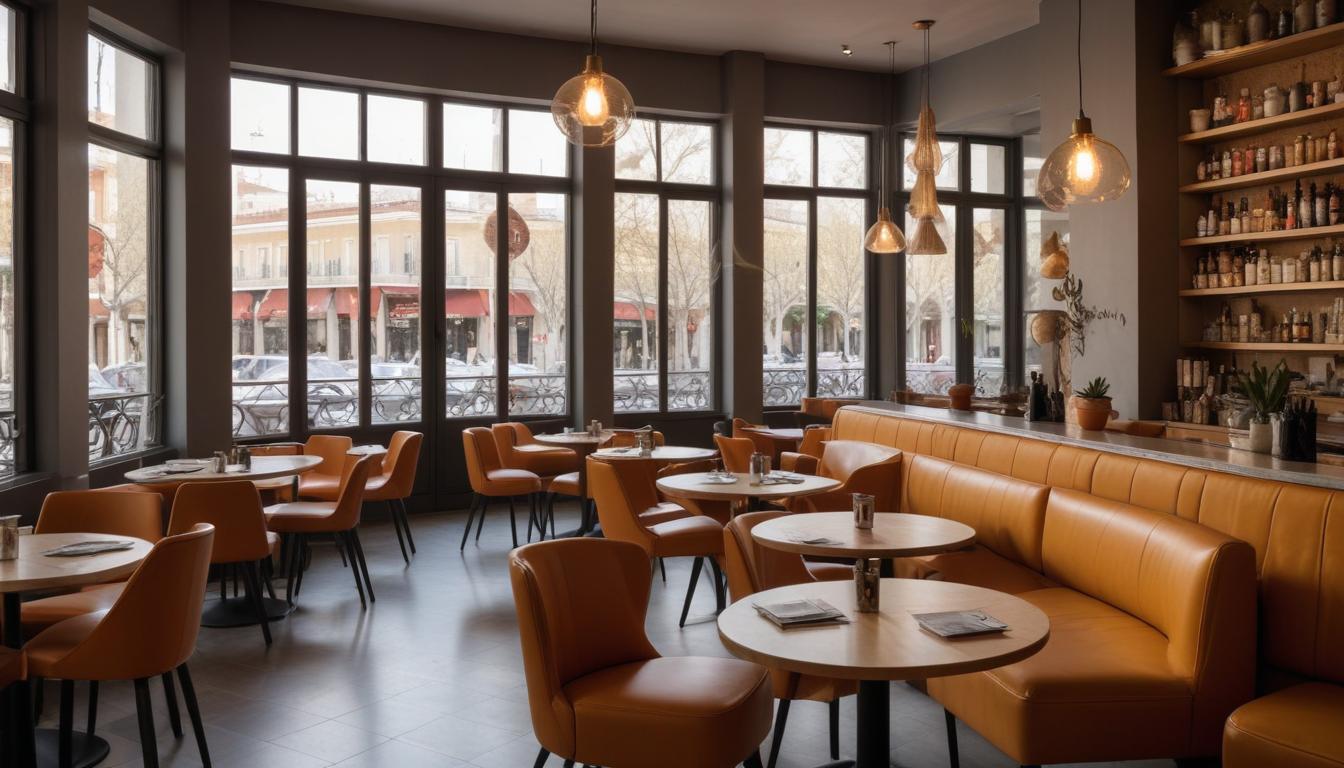
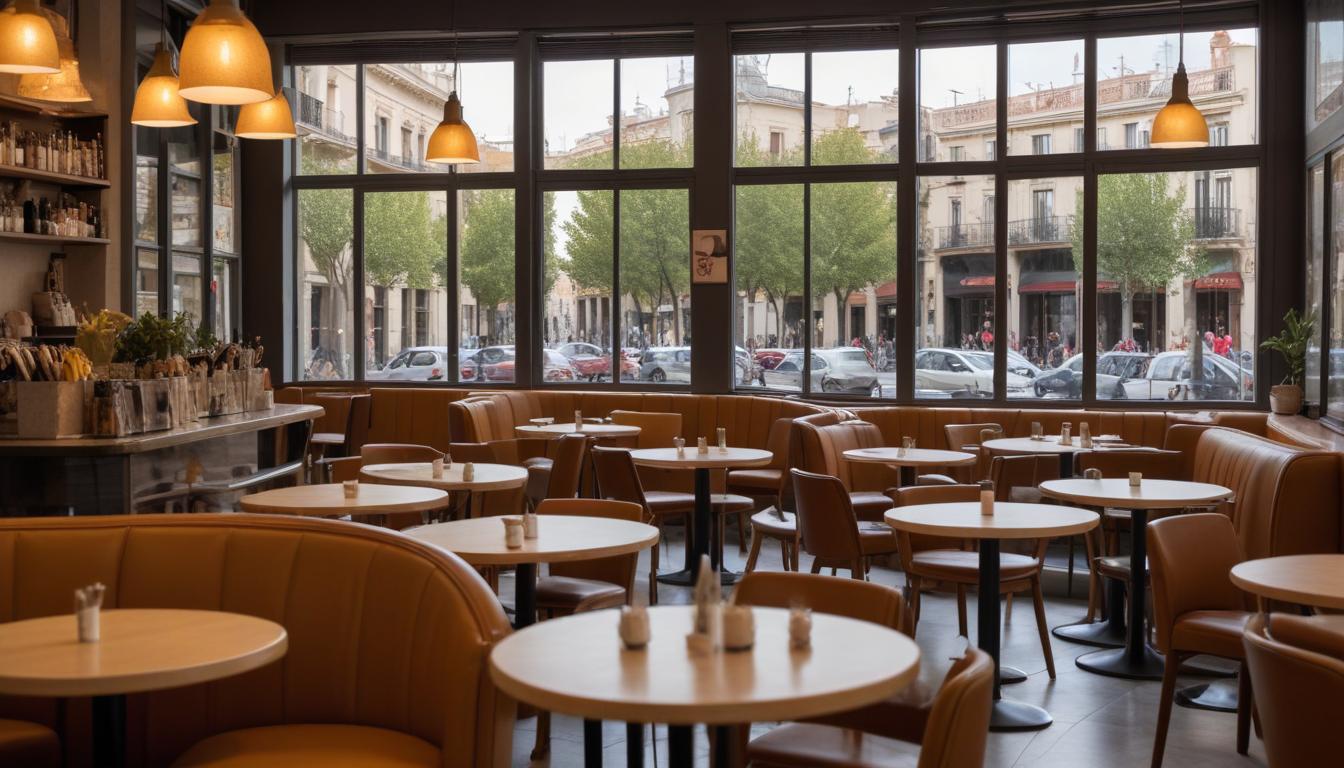
The difference lies partly in tempo. Madrid's culture of the paseo—the evening stroll—and the tertulia—informal philosophical gatherings—creates a fundamentally different urban experience. In Malasaña, you'll find vintage record shops and independent cafés that have survived three decades without becoming Instagram commodities, precisely because locals use them daily. The neighbourhood's Mercado de San Antón isn't a tourist trap; it's where madrileños genuinely shop, eat, and socialise across class lines. This organic mixing feels increasingly foreign to gentrified quarters elsewhere.
Economically, Madrid remains remarkably affordable compared to peer cities. Average neighbourhood rents hover around €900–€1,200 for a one-bedroom apartment in sought-after areas like Chueca or Salamanca, versus €1,500+ in comparable London or Paris districts. This affordability allows genuine communities to persist rather than fragmenting into wealthy enclaves and service-worker zones.
The city's 24-hour rhythm also defines it. While other capitals enforce quiet hours and closing times, Madrid's culture embraces extended social hours. Terrazas stay open until midnight or beyond. Restaurants serve dinner starting at 9 pm. The Reina Sofía Museum offers extended evening hours. This isn't commercial exploitation—it's a lifestyle philosophy that prioritises collective living over individual convenience, something increasingly countercultural globally.
Public spaces function differently here too. The Parque del Retiro remains genuinely mixed-use—pensioners, young professionals, families, artists all coexist without territorial divisions. Compare this to London's fragmented parks or Paris's carefully maintained aesthetic zones, and Madrid's approach feels almost radical in its democratic messiness.
Perhaps most distinctively, Madrid's neighbourhoods maintain what urbanists call "eyes on the street"—constant, natural surveillance through engaged residents rather than CCTV and privatisation. This creates safety and social cohesion without authoritarian infrastructure.
For lifestyle-conscious urbanites globally, Madrid represents something increasingly endangered: a major capital city where neighbourhood life hasn't been optimised into irrelevance. That's not a marketing angle. That's actually what's happening here.
This article was compiled by AI from the sources linked above and screened before publishing. See our editorial standards.
How does this story make you feel?
Spread the word
About this article
Published by The Daily Madrid
Daily brief
Free, in your inbox before 7am. Weekdays.
More in lifestyle