Moving to Madrid: The Real Costs, Hidden Expenses and Essential Checklist Before You Arrive
From visa requirements to rental deposits, here's what international relocators actually need to budget for in Spain's capital.
From visa requirements to rental deposits, here's what international relocators actually need to budget for in Spain's capital.
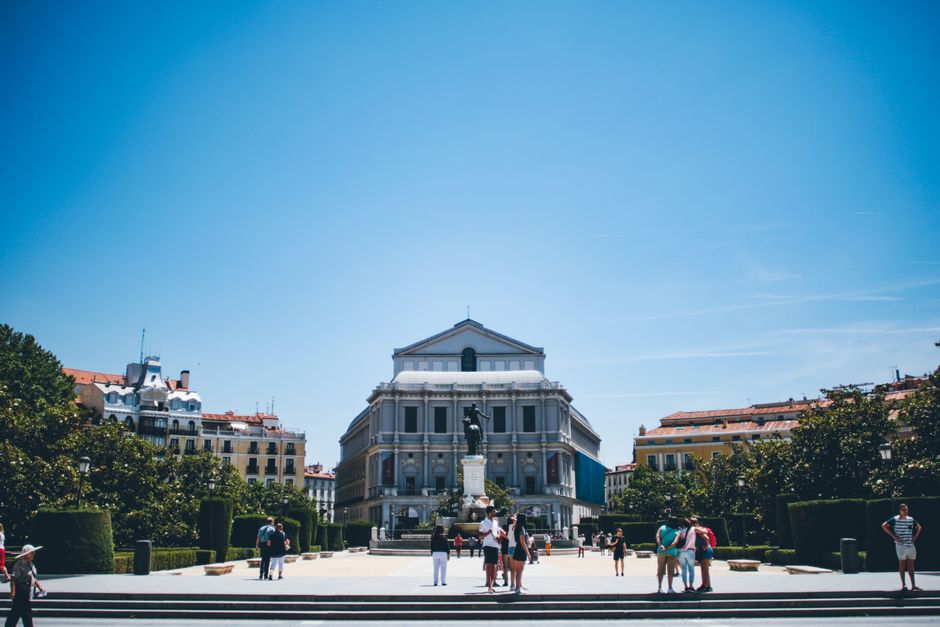
Madrid's appeal to expats is undeniable—a thriving cultural scene, Mediterranean climate, and lower living costs than northern Europe. But arriving unprepared can derail even the most enthusiastic newcomer. Here's what you genuinely need to know before packing.
Housing Reality
Rental prices have climbed considerably. A one-bedroom apartment in central neighbourhoods like Chueca or Malasaña averages €900–1,200 monthly; less fashionable areas like Vallecas or Carabanchel offer €650–850. Most landlords demand two months' deposit plus one month's advance rent upfront—a significant financial hurdle. Agency fees typically run 10 per cent of annual rent. Budget €3,000–4,000 before your first night in an apartment.
Visa and Documentation
Non-EU citizens need either a work visa, student visa, or digital nomad visa (available since 2023). The digital nomad route requires proof of €2,300 monthly income. Processing takes 30–60 days through Spanish consulates. EU citizens benefit from freedom of movement but still need to register with local authorities at your neighbourhood's Junta Municipal within three months of arrival.
Essential Services and Utilities
Monthly utilities—electricity, water, gas, internet—cost roughly €120–180. Mobile phone contracts from operators like Vodafone or Orange start at €15 monthly for basic plans. Opening a Spanish bank account (essential for rent transfers) requires your NIE (foreigner identification number), passport, and proof of address. Some banks waive fees for expats; others charge €5–10 monthly.
Daily Living
Groceries are considerably cheaper than UK or Northern European equivalents. A supermarket shop for one person runs €60–80 weekly. Metro passes cost €17.15 for 10 journeys; a monthly unlimited pass is €54. Restaurant meals range from €12 for a menu del día (lunch special) to €25–40 for dinner in popular areas near Plaza Mayor or along Paseo del Prado.
Healthcare and Insurance
EU citizens automatically access Spain's public health system; non-EU residents must secure private health insurance (€60–150 monthly depending on age and coverage). Registration with a public healthcare centre requires your NIE and proof of residence.
The Hidden Costs
Furniture, even second-hand, adds up quickly. Bureaucratic processes—getting your NIE, registering your residency, opening accounts—demand time and occasionally translation services (€15–30 per document). Many expats underestimate these administrative expenses.
Pro Tip
Connect with established expat networks before arriving. Organisations like Madrid for Expats or Facebook groups for your nationality offer invaluable advice on neighbourhoods, reliable estate agents, and legitimate landlords. Your first months matter—arrive informed, not blindsided.
This article was compiled by AI from the sources linked above and screened before publishing. See our editorial standards.
How does this story make you feel?
Spread the word
About this article
Published by The Daily Madrid
Daily brief
Free, in your inbox before 7am. Weekdays.
More in lifestyle