Weekends Done Right: What Madrileños Actually Do When They Leave the City
Skip the guidebook recommendations and follow the real locals—here's where Madrid residents really spend their downtime, and why they keep coming back.
Skip the guidebook recommendations and follow the real locals—here's where Madrid residents really spend their downtime, and why they keep coming back.
Ask a madrileño where to go on a Saturday morning, and you'll rarely hear about the Prado queues. Instead, you'll hear about Segovia. The medieval fortress town sits just 55 kilometres north, reachable by train in 30 minutes from Chamartín station for around €8 return. Locals don't bother with the cathedral crowds; they grab churros at Confitería La Segovia (Plaza Mayor, naturally) at 7am before anyone arrives, then walk off the sugar rush through the Jewish quarter's narrow streets. The real Madrid trick: go midweek if you can, when schools aren't out.
Toledo presents a different weekend mathematics. Yes, it's tourist central, but madrileños who live near the Avenida de América neighbourhood have cracked the code—they arrive by 8am from Atocha station (€6.50), spend two hours in near-solitude exploring El Greco's former studio and the Synagogue of Santa María la Blanca, then take the 11am train back. The walk down from the station to the old town filters out most casual visitors automatically.
For something requiring less planning, Casa de Campo—Madrid's 1,722-hectare green lung on the city's western edge—is where locals actually spend Saturday afternoons. The Teleférico cable car (€18 return) offers views without the crowds, and the network of cycling paths and picnic spots draws families who've given up fighting for Retiro space. The rowing lake near the Casa de Campo metro stop is genuinely peaceful if you arrive by 10am.
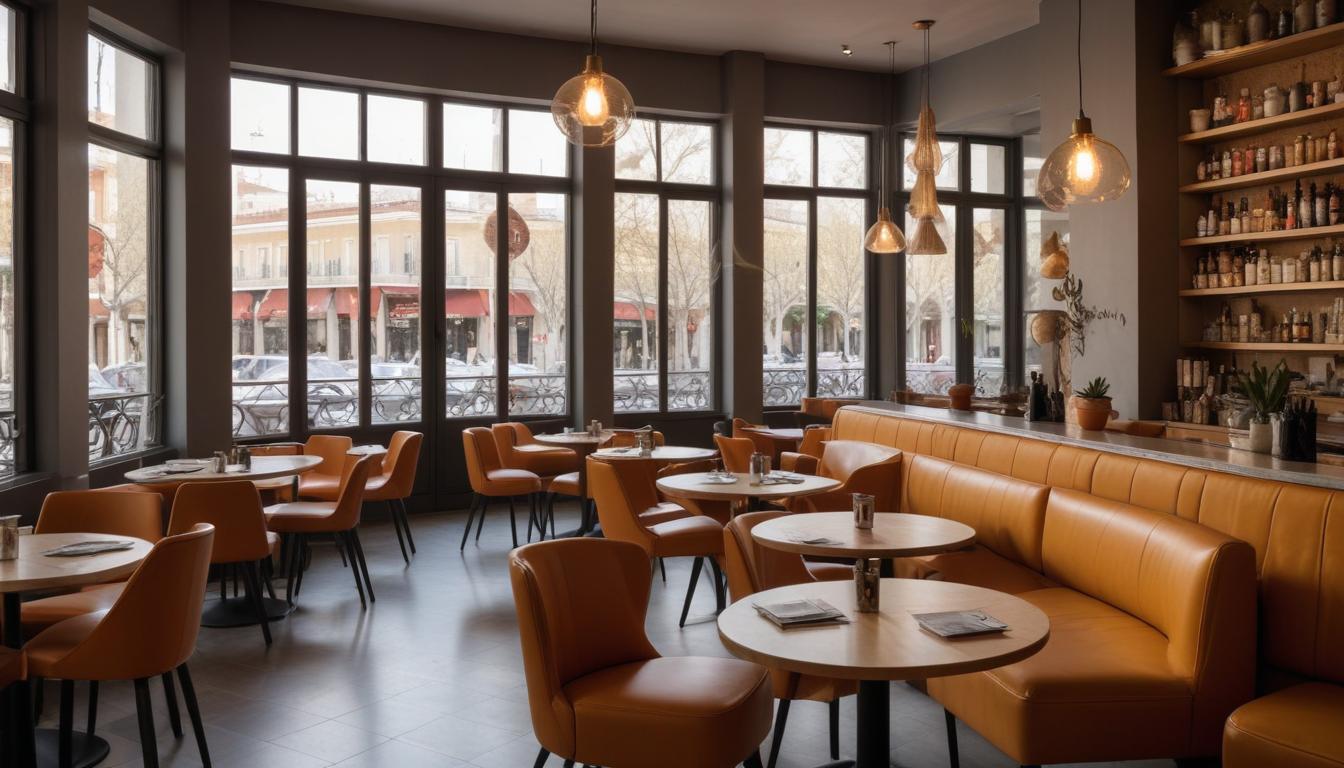
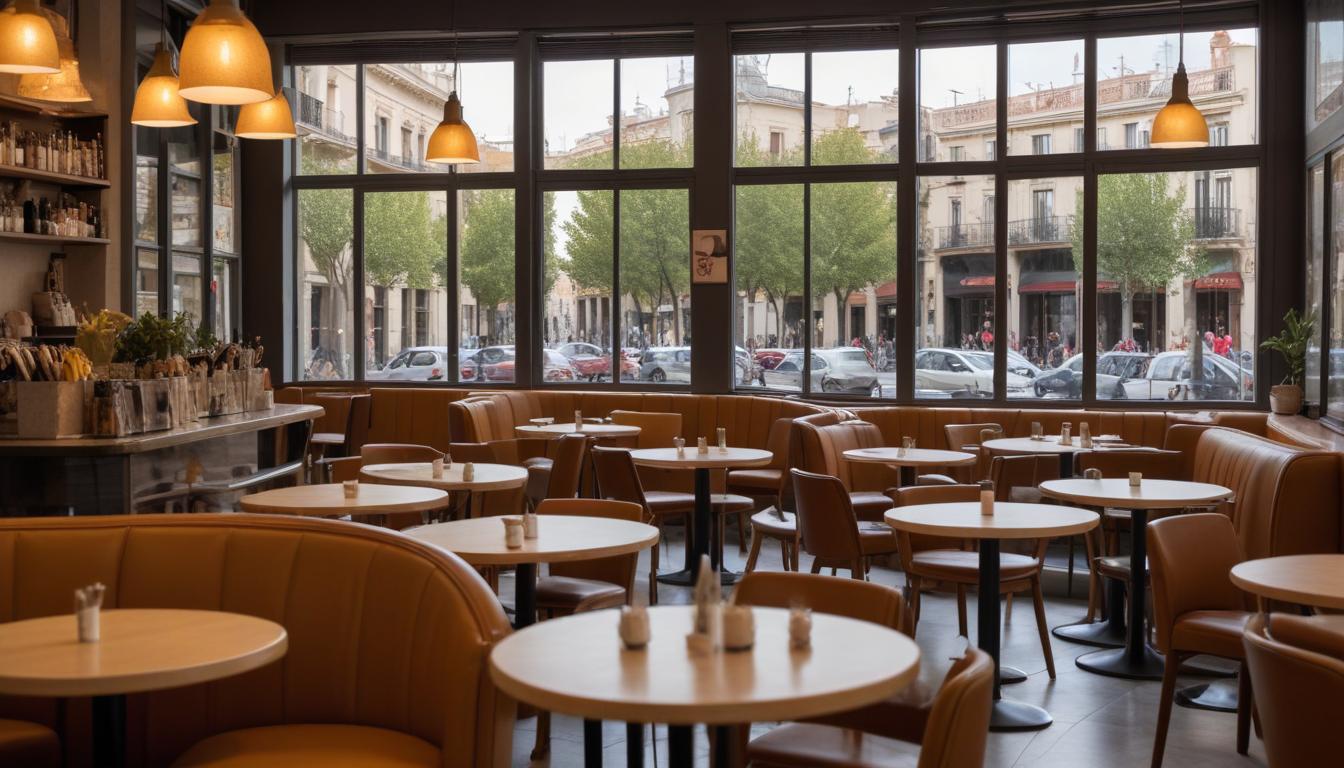
The honest conversation locals have, though, is about burnout from constant travel. Many admit to staying put—working from neighbourhood cafés in Malasaña or Chueca, supporting local bars like those clustered around Calle de San Andrés, or simply using the metro's excellent coverage to explore different madrileño neighbourhoods rather than always chasing external destinations. The 10-journey metro card costs €12.35, and spending a Sunday afternoon in unfamiliar barrios like Arganzuela or Carabanchel—where tourists rarely venture—often feels more restorative than another day-trip scramble.
The real Madrid wisdom: weekends aren't about collecting experiences. They're about finding your rhythm, whether that's a 6am train or a quiet café corner. The locals doing it best aren't the ones photographing landmarks. They're the ones who know which bars close in August, which plazas stay cool in June heat, and which routes can be done with their eyes half-closed.
This article was compiled by AI from the sources linked above and screened before publishing. See our editorial standards.
How does this story make you feel?
Spread the word
About this article
Published by The Daily Madrid
Daily brief
Free, in your inbox before 7am. Weekdays.
More in lifestyle