Raising Kids in Madrid: What Real Parents Actually Want You to Know
From school choices to neighbourhood life, madrileños share their unfiltered advice for families navigating the city's education system and daily rhythms.
From school choices to neighbourhood life, madrileños share their unfiltered advice for families navigating the city's education system and daily rhythms.
Madrid's family landscape has shifted dramatically over the past five years. With international school fees now averaging €15,000–€25,000 annually and public education waiting lists stretching across neighbourhoods, parents here are making tougher choices than ever before. But beneath the statistics, there's wisdom worth sharing from those living it daily.
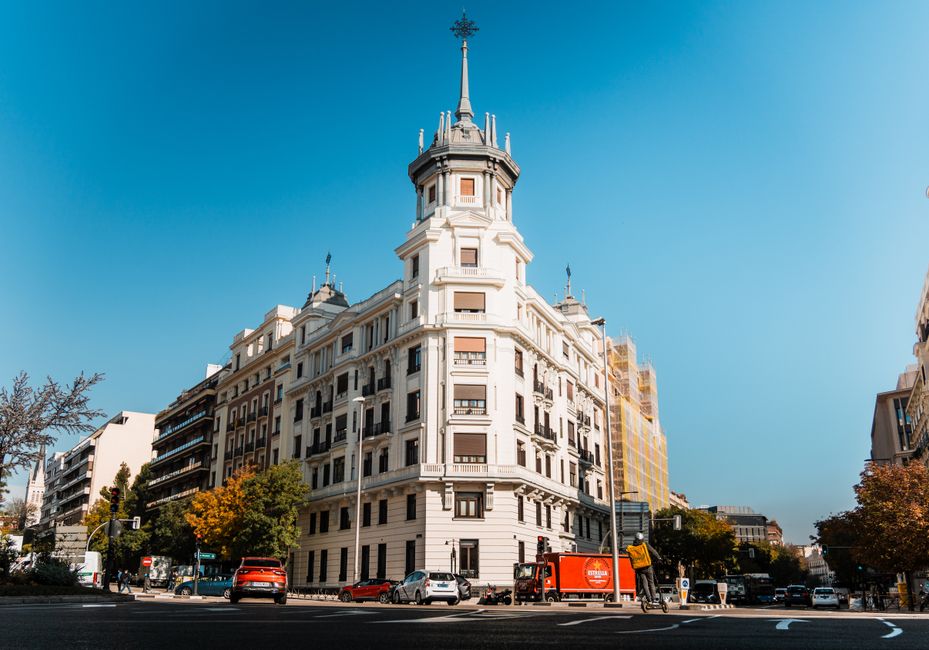
The consensus among long-term residents in Chamberí and Salamanca is surprisingly consistent: proximity matters more than prestige. Rather than battling traffic from the periphery for a prestigious colegio, locals increasingly value schools within walking distance or a short Metro ride. Parents in Malasaña and Chueca highlight how neighbourhood schools like those clustered around Plaza Mayor have strengthened considerably, with invested teaching teams and genuine community involvement. The real game-changer, they say, isn't the school's name but whether you can actually engage with it daily.
On the practical side, Madrid's public system remains affordable—free in state schools—but requires navigation. Families should register children with their local council office (junta municipal) by April for September placement. However, honest parents admit the system demands supplementary investment. Private tutoring (academia) culture runs deep here; expect €20–€40 per hour for qualified tutors, particularly for secondary-level subjects. Some families budget €150–€300 monthly for reinforcement classes alongside school.
Extracurricular life defines childhood in Madrid. Tennis clubs in Casa de Campo, swimming at municipal pools across the city, and music schools in Retiro are accessible and reasonably priced compared to international standards. But parents warn: don't overcommit. The Spanish rhythm—school until 2 p.m., long lunch break, afternoon activities, late dinner—requires flexibility that working parents must genuinely plan for.
Summer childcare presents the city's most persistent challenge. With most madrileños taking August off, quality summer camps fill by May. Municipal summer schools (campamentos municipales) through local neighbourhood centres offer affordable alternatives, though spaces are competitive. Parents recommend registering online through the Madrid city council website in early spring.
The neighbourhood factor ultimately determines quality of life. Areas like Vicálvaro and San Blas offer more family space and shorter school commutes than central districts, though commuting to work becomes the trade-off. Meanwhile, established family zones like Arganzuela maintain strong community networks and school reputations built over decades.
The honest takeaway from experienced Madrid parents: choose your neighbourhood first, your school second. Build relationships with other families early. Use the city's excellent public transport rather than fighting traffic. And accept that raising children here means embracing both the vibrancy and the chaos—neither can be separated from the Madrid experience.
This article was compiled by AI and screened before publishing. See our editorial standards.
How does this story make you feel?
Spread the word
About this article
Published by The Daily Madrid
Daily brief
Free, in your inbox before 7am. Weekdays.
More in lifestyle