lifestyle
Madrid's Five Iconic Neighborhoods Define Flamenco's Living, Breathing Culture
Explore how Madrid’s vibrant barrios shape the flamenco scene beyond the stage.
How we reported this
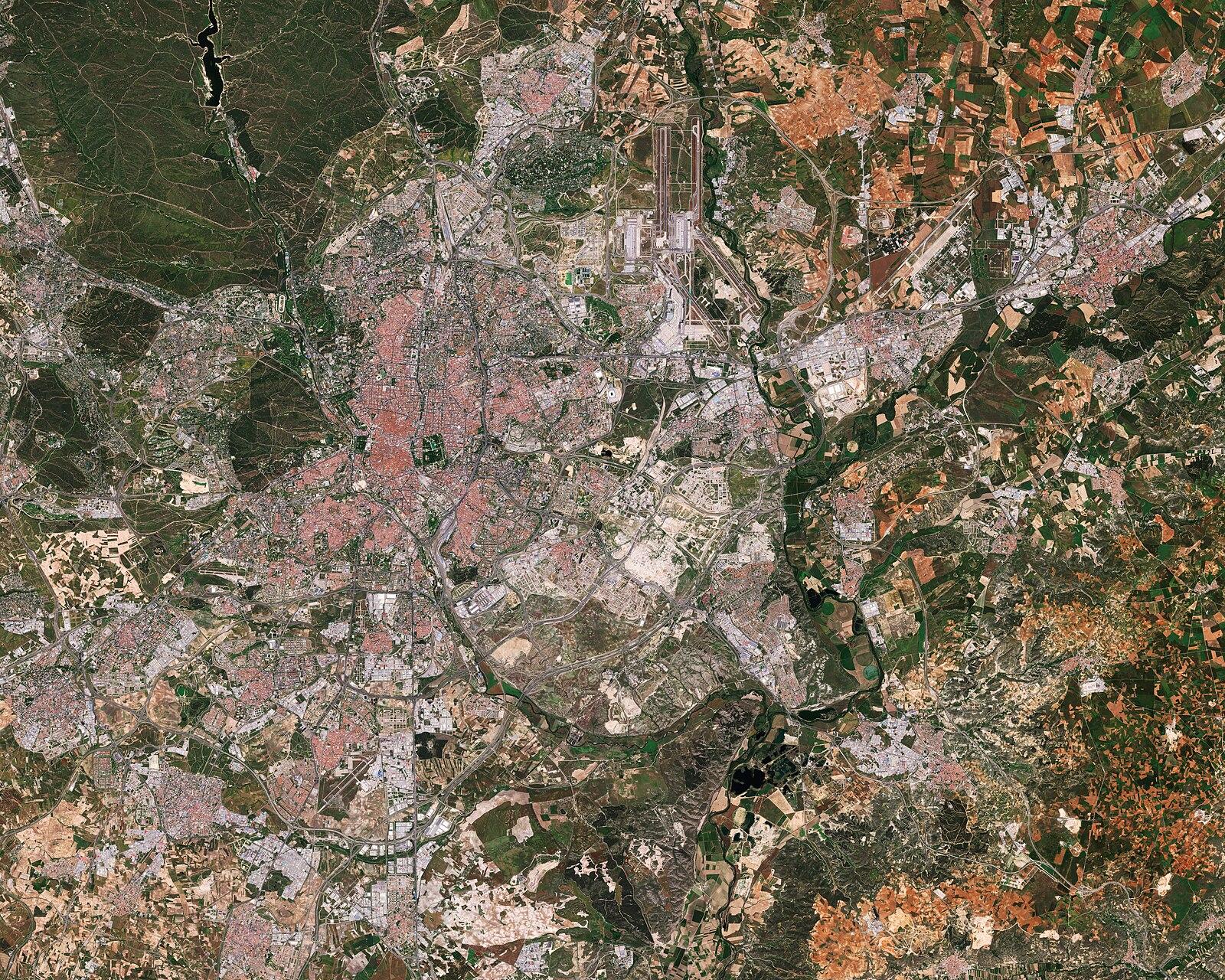
This summer, Madrid's flamenco venues are drawing renewed attention not only for their performances but for how deeply they reflect the character of their surrounding neighbourhoods. From the historic alleys of La Latina to the bustling energy of Lavapiés, the city's flamenco shows serve as cultural touchstones that echo the local community's pulse.
The surge in flamenco's popularity across Madrid comes amid efforts to preserve and promote Spain’s intangible cultural heritage. As urban life accelerates and the city contends with global tourism pressures, residents and artists alike are harnessing flamenco as a means to foster neighbourhood identity and social cohesion. The timing aligns with the recent launch of Madrid's "Vive Flamenco" initiative-a collaboration between the municipality and cultural organisations aimed at revitalising traditional arts within city districts.
Neighbourhoods Breathing Life Into Flamenco
In La Latina, flamenco is more than entertainment; it’s a living tradition woven into the barrio’s narrow streets such as Calle de Toledo. Venues like Casa Patas on Calle de Jesús y María offer nightly performances that draw locals and visitors alike, fostering a sense of communal connection. Casa Patas, established in 1985, is noted for its intimate setting where the synergy between audience and artist reflects the spontaneous spirit of the neighbourhood. Just steps away, Taberna La Torrecilla combines authentic Andalusian cuisine with flamenco shows, reinforcing ties between gastronomy and art in this historic area.
Moving east to Lavapiés, flamenco takes on a more experimental edge, mirroring the barrio’s multicultural fabric. The Centro Cultural Casa de Vacas in Retiro Park hosts flamenco workshops and performances that encourage participation from Madrid’s vibrant immigrant communities. Their programs, such as the monthly "Flamenco y Comunidad" series, have attracted attendance of over 1,000 people quarterly, illustrating the genre’s role in bridging cultural divides within the metropolis.
Data Illustrates Growing Local Engagement
Attendance figures underline flamenco's expanding footprint in Madrid’s cultural life. According to the Madrid City Tourism Board, flamenco shows attracted approximately 350,000 attendees in 2025, a 12% increase from the previous year. Ticket prices vary widely but generally range from €25 to €60, with venues like Corral de la Morería in the Palacio neighborhood presenting premium evenings with prix fixe dinners priced around €90. Importantly, community-focused venues maintain affordability with most tickets under €30, ensuring access for regular neighbourhood audiences.
Surveys conducted by the Madrid Flamenco Federation reveal that 68% of residents in central districts view flamenco performances as a key element in preserving local identity, while 55% say attending live shows bolsters their connection to the community. This feedback underscores the art form’s significance beyond entertainment, highlighting it as a tool of urban cultural resilience.
For those planning to catch a flamenco show this summer, early booking is advised, especially for weekends at iconic venues like Casa Patas or Corral de la Morería. Additionally, exploring flamenco events hosted in smaller, local cultural centres across neighbourhoods such as Lavapiés and Huertas can offer more immersive experiences. Madrid’s Tourist Office provides a regularly updated list of flamenco events across the city on their official website, alongside neighbourhood guides that spotlight local dining and cultural attractions.
Ultimately, Madrid's flamenco scene thrives as a tapestry of neighbourhood stories and communal warmth. Each tablao or cultural centre offers a unique window into the vibrancy of its community, making flamenco attendance both a cultural and social experience embedded in the life of the city.