lifestyle
Madrid's Flamenco Masters Preserve Spain's Soul in Historic Tablaos
Beyond the staged performances, a dedicated community of artists and heritage keepers continues to preserve the visceral heart of Spanish culture in the capital's historic venues.
How we reported this
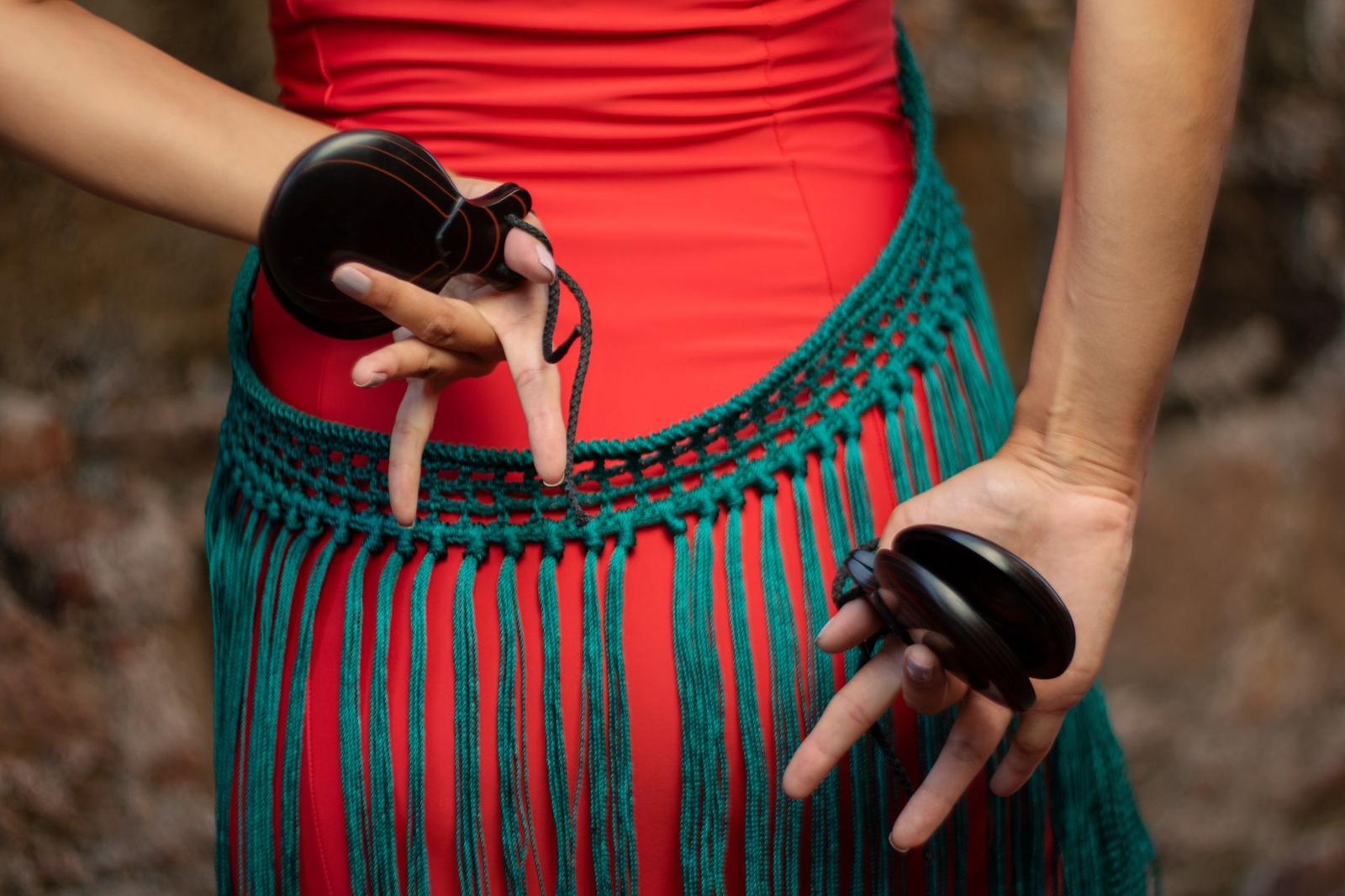
On a humid July evening in the heart of Madrid, the wooden floorboards of a subterranean stage near Plaza de Santa Ana tell a story louder than any vocal performance. Flamenco in this city is not merely a tourist attraction; it remains a tightly woven network of families, apprentices, and masters who dedicate their lives to the preservation of a singular art form. From the cobblestone alleys of Barrio de las Letras to the tucked-away basement stages of Lavapiés, the faces of these performers represent a tradition passed down through generations of local dynasties.
The Pulse of the Tablao
The city's cultural ecosystem relies heavily on established venues like Cardamomo on Calle de Echegaray and Torero near the Puerta del Sol. These institutions function as more than concert halls; they serve as communal hubs where established guitarists mentor young dancers from local academies. According to the Madrid Tourism Board, the city attracts over 5 million visitors annually, many of whom prioritize authentic flamenco experiences. However, the true weight of this scene is held by the artists themselves, whose hands and feet have marked the same stages for decades.
For those interested in the logistical reality of these performances, the financial commitment is well-defined. Tickets for a prime show typically range between 35 and 65 euros, depending on the venue's inclusion of a drink or a tapas menu. Publicly available records from the Asociación Nacional de Tablaos Flamencos indicate that these venues account for significant employment within the city's arts sector, providing steady income for hundreds of dancers, guitarists, and singers who would otherwise struggle to find consistent work in a gig-based economy.
Preserving the Living Heritage
The endurance of flamenco in Madrid is underscored by the dedication of individuals like those affiliated with the Fundación Casa Patas. While the foundation has undergone various administrative shifts over the years, the spirit of its former venue remains a benchmark for quality in the industry. As of July 2026, the demand for traditional, non-diluted performances remains at an all-time high, prompting newer studios in the Chamberí district to curate intimate sessions that eschew the spectacle of larger productions in favor of pure cante jondo.
If you intend to experience this legacy firsthand, consistency is the key to finding the best work. Most high-quality tablaos schedule their primary sets at 8:00 p.m. and 10:00 p.m. nightly. Booking through the official websites of the venues is strictly recommended, as demand regularly exceeds capacity during the summer months. To understand the depth of this craft, look for performers who maintain a direct connection to the Andalusian roots of the genre, often found through the programming at cultural centers like the Centro Flamenco el Vivero, which hosts workshops and showcases that emphasize the raw, unscripted emotions that define the genre's history in the Spanish capital.