lifestyle
Madrid Locals Reveal 5 Authentic Flamenco Venues Beyond Tourist Traps
Beyond the tourist traps of the city center, Madrid’s authentic flamenco scene thrives in hidden tablaos where the duende is real.
How we reported this
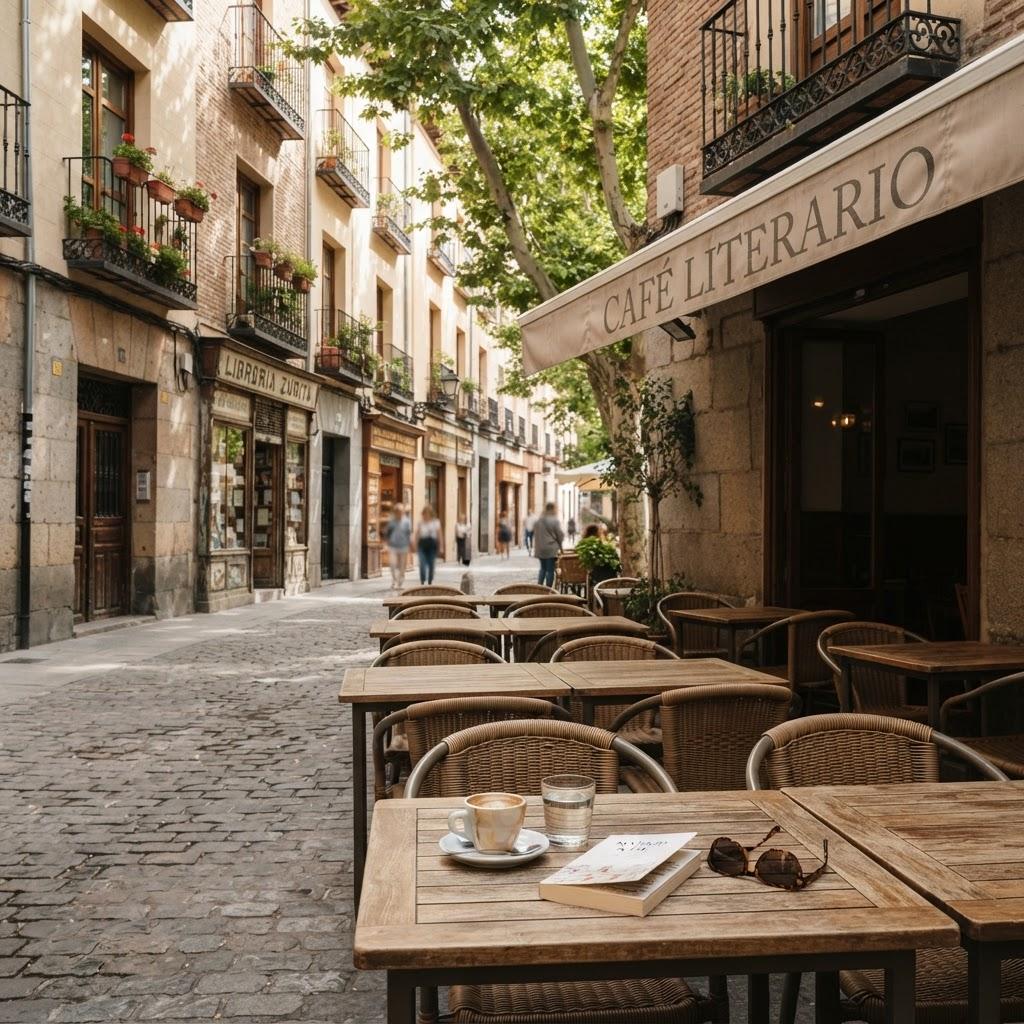
Madrid remains the global heartbeat of flamenco, a city where the percussive strike of a dancer’s heel on a wooden stage still resonates through the history of the Lavapiés and Huertas neighborhoods. While visitors often gravitate toward the neon-lit signs of the Puerta del Sol, those who frequent the art form daily suggest that the true essence of the genre is found in venues that prioritize heritage over spectacle. Finding the right show requires moving away from the large-scale dinner theaters and into the more intimate, dimly lit spaces where the performer’s sweat and the guitarist’s calloused fingers are within reach.
The Search for Authenticity
For those looking to avoid the crowded, mass-produced experiences, experts in the local scene point toward venues like Casa Patas, which has long been a fixture for connoisseurs, or the intimate setting of Cardamomo near the Plaza de Santa Ana. These locations often host evening lineups that lean heavily into traditional forms-the cante jondo or deep song-rather than the polished, pop-infused choreographies designed for tour groups. Residents often note that the best performances happen late, frequently starting after 10 p.m., as the energy of the performers rises with the cooling temperatures of the Madrid night.
The cultural significance of these spaces has deepened as the city administration seeks to preserve traditional music venues against the rising tide of commercial redevelopment. Organizations like the Suma Flamenca festival continue to promote the art form across the capital, ensuring that younger generations of dancers are supported in their training. This commitment to the craft is essential for maintaining the integrity of venues tucked away on Calle de Echegaray or near the historic Teatro Real, where the acoustics of small rooms provide a stark contrast to the echoing halls of larger tourist-oriented establishments.
Practical Advice for the Enthusiastic Guest
When planning an evening out, it is wise to consider the difference in admission models across the city. Many high-quality tablaos now offer tiered seating, where prices can vary significantly depending on the proximity to the stage and the inclusion of a drink or tapas meal. According to local listings for July 2026, entry-level tickets for a standard one-hour performance often hover around the thirty to forty euro mark, while premium seating providing closer access to the dancers can reach higher price points. Checking the official schedules on venue websites-or visiting the box office directly-remains the most reliable method for confirming set times and ensuring a seat in the most sought-after rows.
As the summer heat intensifies in the capital, the best advice from locals is to opt for shows that allow for a post-performance walk through the Barrio de las Letras. The streets here, once home to literary giants like Cervantes, offer a perfect atmosphere to discuss the nuances of the show while enjoying the late-night social life that defines Madrid. Always book in advance, especially on weekends, to secure a spot at the smaller, more reputable venues that often sell out before the doors even open.