lifestyle
Madrid's tablaos transform flamenco for locals, dropping tourist spectacles.
A surge in intimate, unamplified performances is shifting the city's flamenco scene away from tourist-heavy spectacles toward authentic, community-driven artistry.
How we reported this
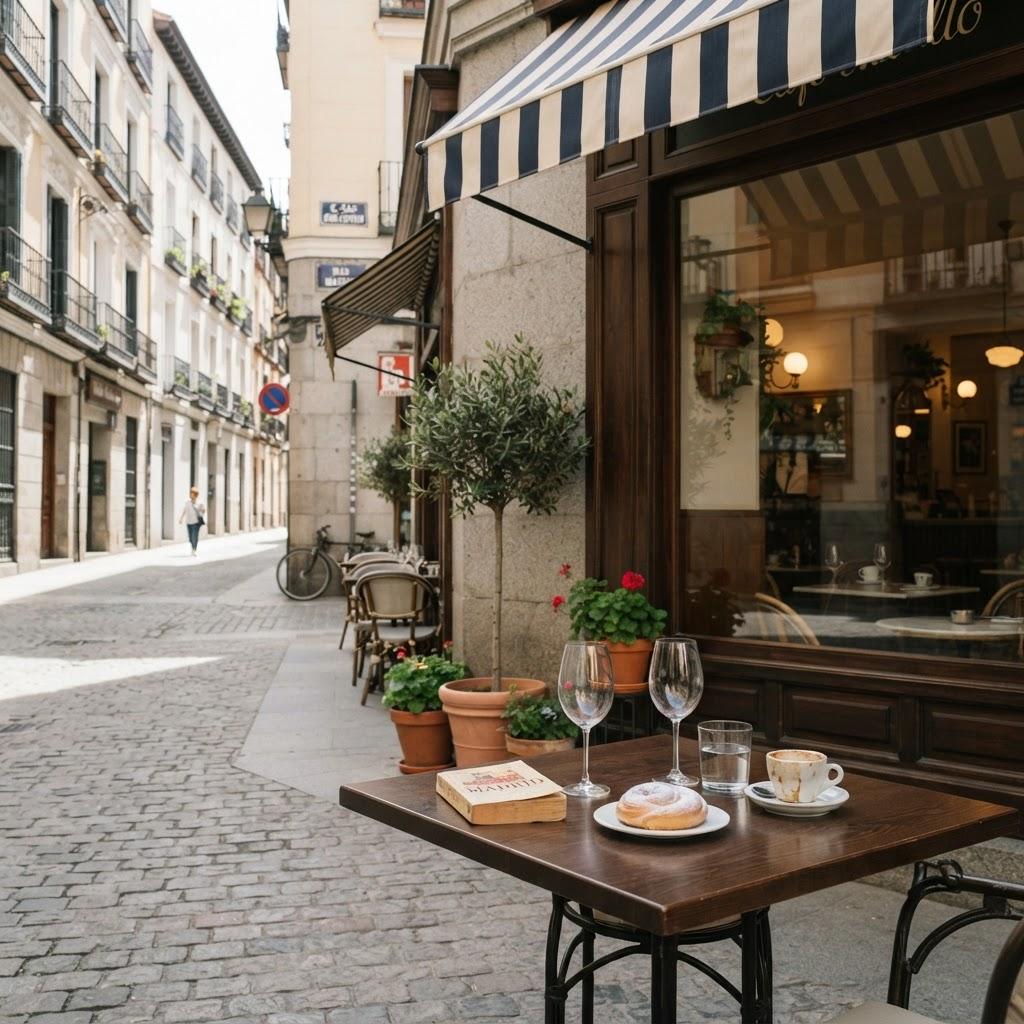
Madrid’s flamenco circuit is experiencing a distinct shift as local audiences reclaim the city’s historic tablaos. After years where many venues catered primarily to international visitors with dinner-and-show packages, a new focus on artistic rigor and acoustic purity is drawing residents back to the heart of the capital’s nightlife. This evolution is particularly visible in the central districts, where the emphasis has transitioned from spectacle to the raw expression of cante and baile.
The move toward intimacy
The transformation is most evident in the way venues across Barrio de las Letras and Malasaña are reconfiguring their programming. Rather than high-volume shows, recent months have seen a rise in 'sin amplificación' sessions-performances that strip away microphones and heavy lighting in favor of traditional, raw acoustics. This shift represents a broader trend within Madrid's cultural sector to prioritize the historical integrity of the art form over the convenience of large-scale tourism.
Establishments like Cardamomo, located near the Plaza de Santa Ana, have adjusted their schedules to accommodate more late-night, intimate sets that cater specifically to local enthusiasts. Similarly, the long-standing Casa Patas remains a touchstone for those seeking the traditional format, though its current programming reflects a concerted effort to showcase emerging talent from across Andalusia alongside established performers.
Why locals are returning
For many Madrileños, the appeal of this revival lies in the spontaneity of the performances. The recent surge in popularity is driven by a desire to reconnect with the genre's roots, moving away from scripted choreography. This change in tone has prompted a wave of interest from younger demographics who frequent the smaller, independent spaces tucked away in the side streets off Gran Vía.
According to current industry observations, the demand for authentic, unscripted flamenco has grown as residents seek deeper connections with Spanish heritage. Entry prices for these specialized, high-intensity shows often vary, with some evening sessions starting at modest rates that make them accessible for repeat visits compared to the premium pricing models prevalent in the past decade. The industry appears to be moving toward a model where artistic consistency-rather than mass-market appeal-serves as the primary driver for sustained revenue throughout the summer months.
Looking ahead, the trend toward smaller, artist-led venues is expected to continue. Those looking to experience this shift should check the schedules for specific afternoon workshops or late-night sessions at reputable venues in the city center. Reservations are increasingly recommended, as the smaller seating capacities of these refined spaces lead to quick sell-outs, particularly on weekends.