lifestyle
Madrid's Hidden Tablaos Reveal Authentic Flamenco Beyond Tourist Crowds
Beyond the tourist circuits, the intimate tablaos of Madrid remain the beating heart of the city’s historic districts.
How we reported this
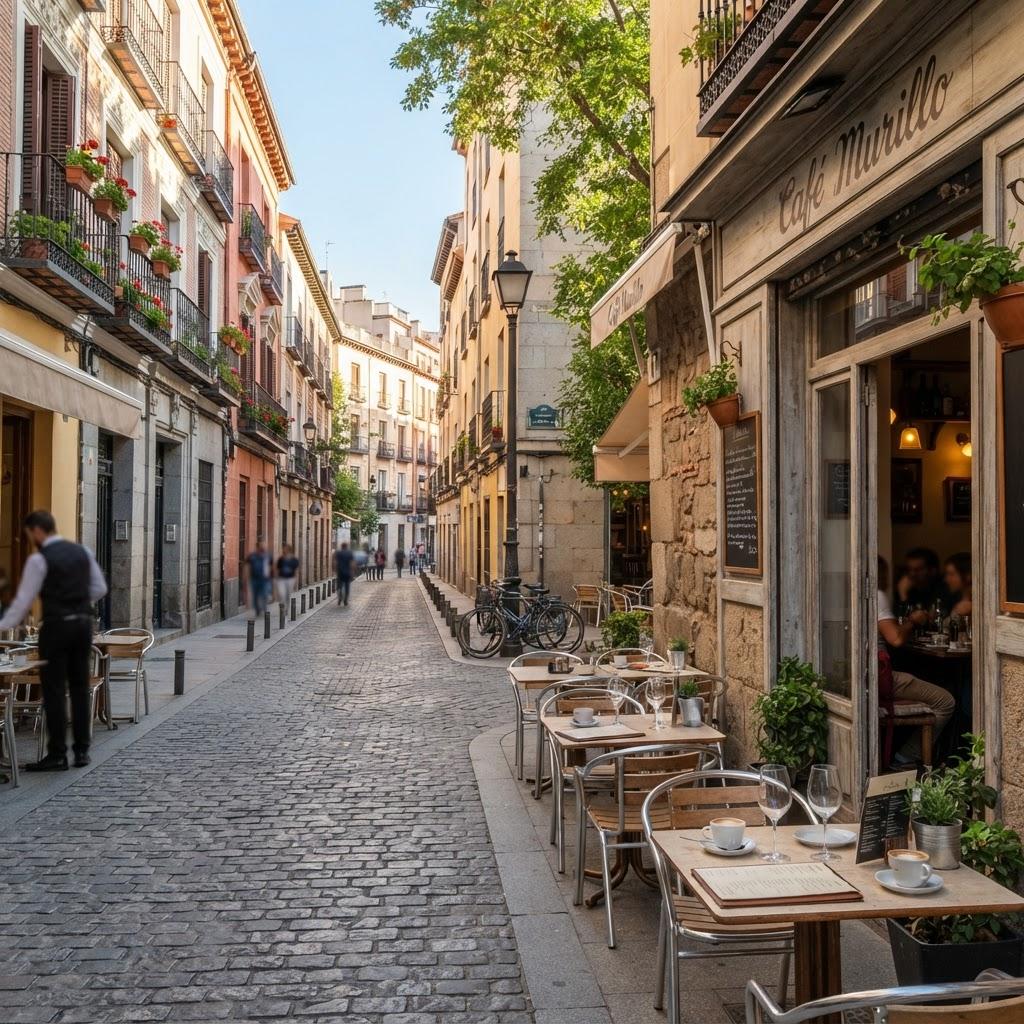
The spirit of flamenco in Madrid is increasingly defined by the tight-knit geography of the city’s oldest quarters. While large-scale productions continue to draw international crowds, a shift toward smaller, community-focused venues is reshaping how locals engage with the art form. In neighbourhoods like Las Letras and Lavapiés, the performance spaces serve as communal living rooms where the distinction between performer and patron blurs under the weight of shared heritage.
The Pulse of Las Letras and Beyond
Stepping into a venue like Cardamomo, located on Calle de Echegaray, one finds an atmosphere rooted in the specific architectural constraints of the district. The low ceilings and narrow sightlines of these historic buildings compel a proximity that larger, purpose-built stages cannot replicate. This is not merely a stage for professional dancers; it is a point of continuity for the community that has long called this corner of the city home. Nearby, Casa Patas-which has historically served as a central hub for the genre-continues to influence the expectations of aficionados seeking authenticity over spectacle.
The cultural gravity of these venues extends into the streets, where the neighbourhood character is reinforced by daily gatherings at local taverns and plazas. Unlike the transient nature of modern concert halls, these tablaos are embedded in a residential fabric that dates back centuries. Residents often view these performances as an extension of their evening social life, fostering a feedback loop between the dancers on stage and the families living in the surrounding tenements.
Economics and Evolution
Data provided by the Madrid Tourism Board indicates that cultural attendance has seen steady shifts in recent years, with a notable rise in interest regarding traditional art performances during the summer months. Entry prices for top-tier intimate performances typically fluctuate between 30 and 60 euros, depending on the time of day and the inclusion of refreshments. Despite fluctuating market conditions and the broader economic pressures facing the city, these venues remain remarkably resilient.
Maintaining this artistic ecosystem requires a commitment to local preservation efforts. Organisations such as the Centro de Arte Flamenco have worked to formalise training paths for local youth, ensuring that the neighbourhood’s character remains synonymous with the craft. As the summer season continues, visitors looking for a deeper connection to the city should prioritise venues that demonstrate a clear history of community involvement. Booking in advance is necessary for weekend slots, as the limited capacity of these historic spaces leads to frequent sell-outs throughout the month of July.