lifestyle
Descubrir Malasaña: guía práctica para residentes que quieran explorar el barrio bohemio de Madrid
Malasaña delivers a compact, walkable mix of historic streets, independent vintage shops and neighbourhood cafes for locals seeking a relaxed day out in the centre.
Listen in English · 3 min
How we reported this
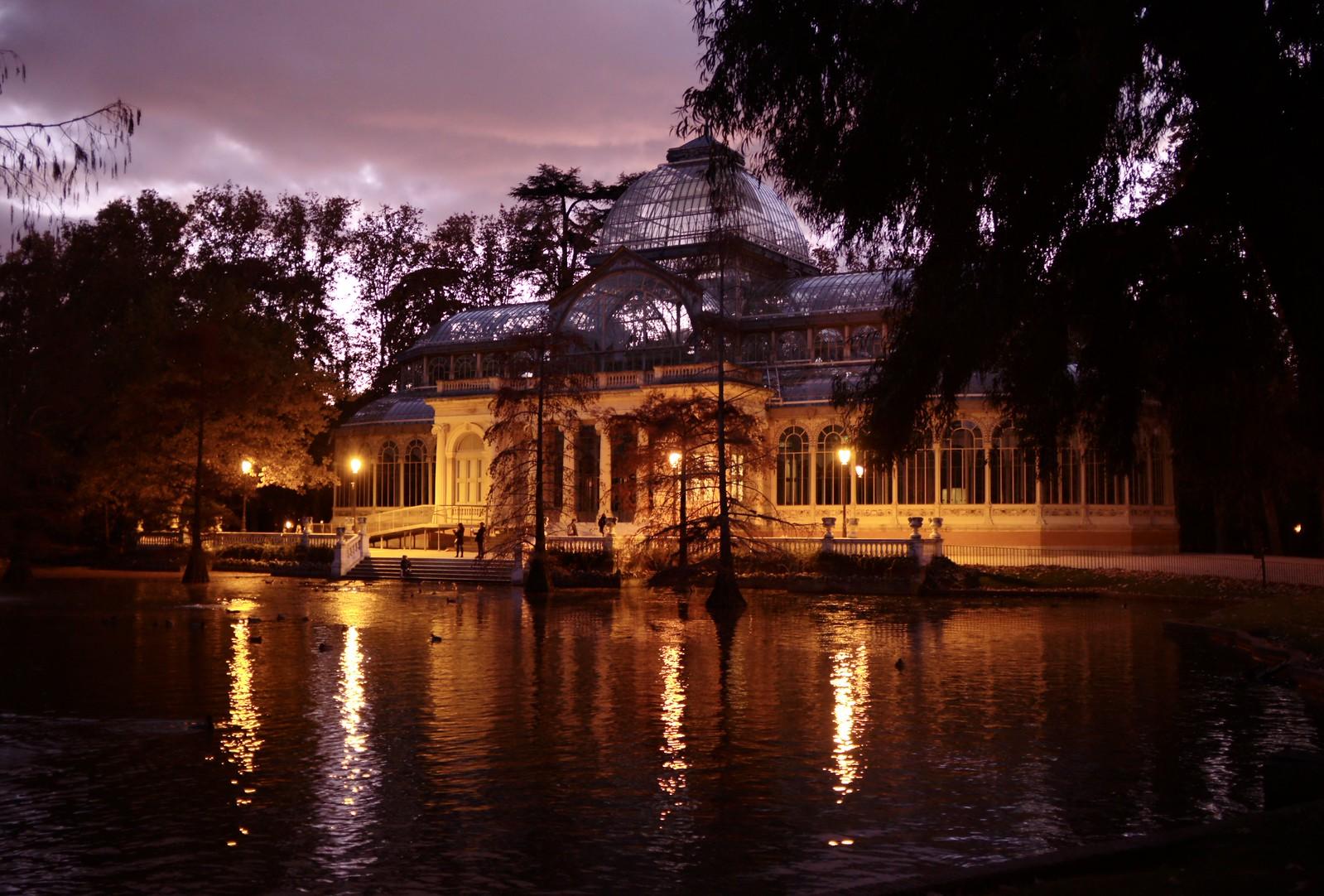
Malasaña stands out as the bohemian and alternative neighbourhood in central Madrid, named in honour of Manuela Malasaña, the heroine of the 2 May 1808 uprisings against French troops.
Setting the boundaries for a clear walk
Residents can orient themselves easily because the neighbourhood forms an irregular square bordered by Gran Vía on the south, calle Fuencarral on the east, calle Carranza on the north and calle San Bernardo on the west. Starting from any of these main arteries leads directly into the smaller interior streets where the area’s character is most evident.
Reaching the central square and moving outward
Plaza del Dos de Mayo serves as the principal meeting point, ringed by lively terraces that invite residents to pause, eat or simply watch daily life. From here, short walks along the connecting streets reveal the neighbourhood’s vintage fashion shops and underground culture spots, which together form the strongest concentration of independent stores, cafes and natural-wine bars in the city centre.
Linking past cultural energy to present-day use
The same streets once formed the epicentre of the Movida Madrileña in the 1980s, the cultural and social movement that shaped Madrid’s artistic and musical identity. That legacy remains visible today in the independent businesses that continue to define the area for locals who value its distinctive atmosphere over more commercial districts.
Practical exploration begins with a circuit that starts at Plaza del Dos de Mayo, follows the four boundary streets to understand the perimeter, and then dips into the interior blocks for shopping and coffee stops. The layout keeps everything within easy walking distance, allowing residents to combine a morning stroll with visits to vintage outlets and afternoon cafe stops without needing transport. No advance booking is required for these everyday activities, and the neighbourhood’s compact scale means a single visit can cover the main points of interest while leaving time for spontaneous discoveries along the way.