Coworking Spaces Madrid: Europe's Remote Work Hub
Discover why Madrid's coworking market is Europe's fastest-growing. From Chamberí to Salamanca, explore how the city redefines remote work with 12,000+ daily users.
Discover why Madrid's coworking market is Europe's fastest-growing. From Chamberí to Salamanca, explore how the city redefines remote work with 12,000+ daily users.
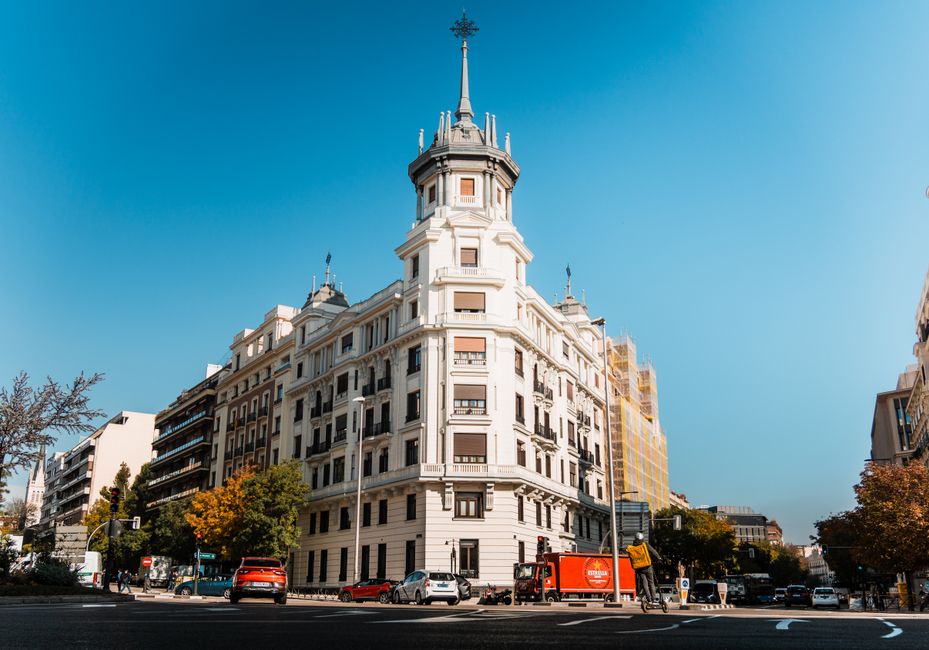
Walk through the tree-lined streets of Chamberí on any Tuesday morning and you'll see it: entrepreneurs nursing cortados at terraza cafés, their laptops propped against weathered wooden tables. This casual scene masks something more profound. Madrid has quietly become Europe's most distinctive remote-work ecosystem, one that challenges the American winner-take-all model while maintaining genuine competitive edge.
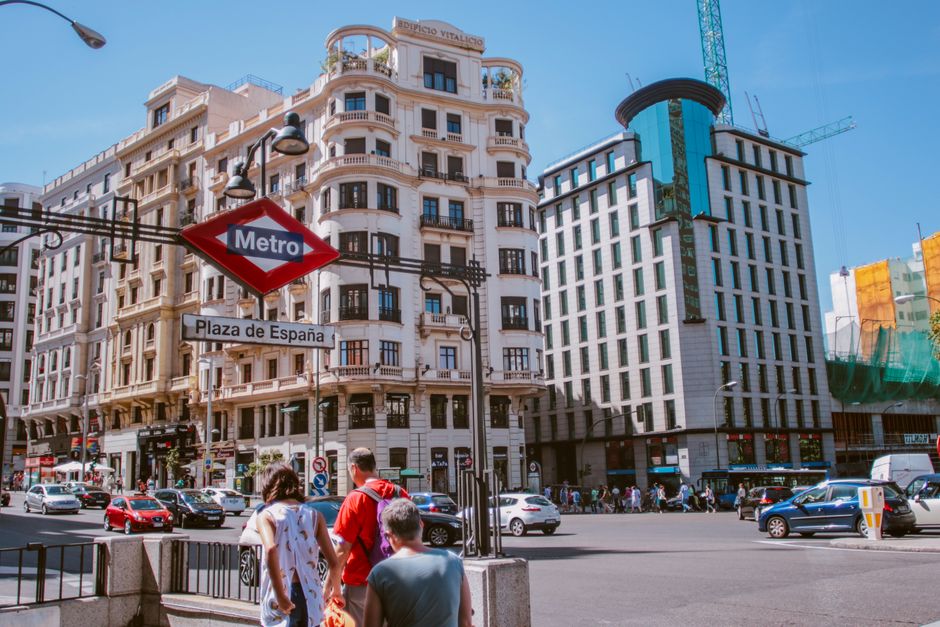
The numbers tell part of the story. Madrid's coworking market has grown 35% annually since 2023, with spaces like Wayco near Plaza de España and the sprawling Spaces network across Salamanca now hosting over 12,000 daily users. Yet what distinguishes Madrid isn't density—it's philosophy. Unlike London's aggressive corporate campuses or Berlin's bohemian collectives, Madrid's workspace culture reflects the city itself: structured enough for serious work, relaxed enough for living.
"The Spanish advantage is our refusal to pretend work is life," explains the growing consensus among Madrid's tech leadership. The city's core innovation districts—Chamberí, Salamanca, and the emerging tech corridor along Paseo de la Castellana—deliberately maintain mixed-use neighbourhoods. Coworking spaces sit beside restaurants, galleries, and residential zones. This isn't accident. It's intentional urban design that prevents the sterile corporate monoculture that plagues other tech hubs.
The economic model proves resilient too. Average monthly coworking memberships in Madrid cost €280-450, roughly 40% below London and 30% below Berlin, yet productivity metrics match or exceed both cities. Combined with Spain's competitive corporate tax rates and EU regulatory clarity, Madrid attracts companies seeking European headquarters without Silicon Valley's burnout culture or London's astronomical costs.
Remote work here operates on different assumptions. The Spanish labour code's emphasis on right-to-disconnect—legally protected in 2021—fundamentally shapes how coworking communities function. Spaces close earlier. Events cluster around lunch and early evening rather than 8pm networking marathons. This creates counterintuitive efficiency: people work better when they're not performing work.
Global companies increasingly notice. Amazon's expansion of its Madrid tech operations, Telefónica's innovation labs, and the recent influx of Nordic and North American startups opening Spanish bases all cite the same reason: Madrid offers world-class infrastructure and talent without demanding the lifestyle extraction that defines other major tech cities.
As remote work matures globally, Madrid's model suggests a quiet revolution. Not the disruption of overthrowing old systems, but the subtle power of refusing to adopt someone else's rulebook. The city's coworking renaissance isn't about density or prestige. It's about proving that ambitious technology companies can thrive where humans still have time to live.
This article was compiled by AI and screened before publishing. See our editorial standards.
How does this story make you feel?
Spread the word
About this article
Published by The Daily Madrid
Daily brief
Free, in your inbox before 7am. Weekdays.
More in tech