How Madrid's sustainability crisis forced a decade of green reckoning
From smog-choked streets to EU pressure, the Spanish capital's environmental journey reveals why radical action finally became inevitable.
From smog-choked streets to EU pressure, the Spanish capital's environmental journey reveals why radical action finally became inevitable.
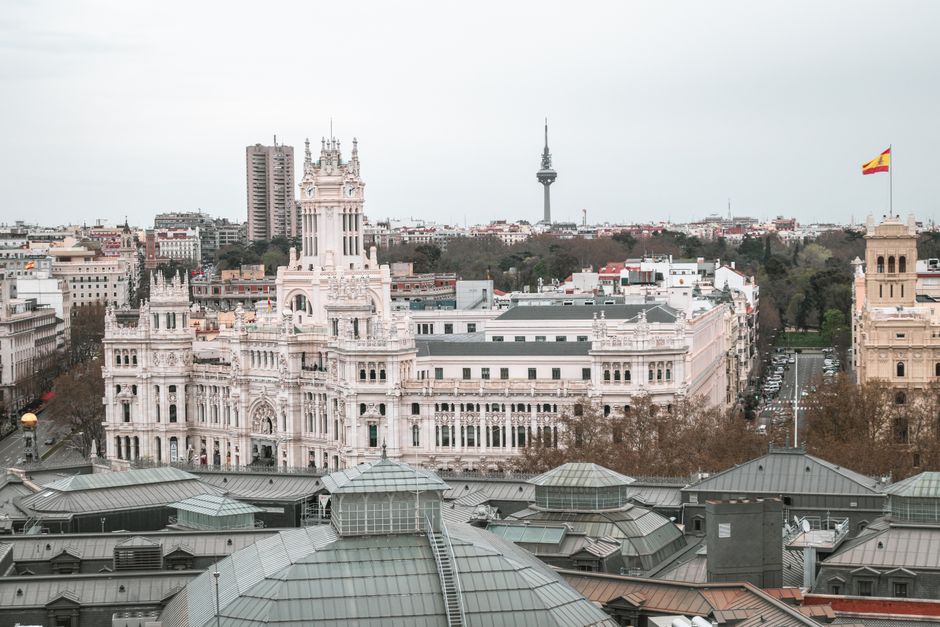
Madrid's relationship with pollution has long been contentious. A decade ago, the city regularly breached European air quality standards, with nitrogen dioxide levels in areas like Plaza de Castilla frequently exceeding safe limits. That reality—combined with growing public frustration and mounting EU fines—set the stage for the sweeping sustainability initiatives that now define the capital's urban planning strategy.
The turning point came around 2018-2019. Successive winters saw the city shrouded in grey haze, a phenomenon locals grimly dubbed "la campana" (the bell), as atmospheric pressure trapped pollutants over the metropolitan area. Madrid's position in the central plateau, surrounded by mountains, meant that exhaust fumes and industrial emissions accumulated rather than dispersing. By 2016, the city had exceeded annual PM10 particulate limits on more than 35 days—well above the EU threshold of 35 days per year.
The European Commission's enforcement actions proved galvanizing. Facing significant fines and reputational damage, Madrid's municipal government began implementing the Madrid Central low-emissions zone in late 2018, restricting vehicle access in the heart of the city. Though politically contentious—business owners and commuters protested vigorously—the scheme demonstrated measurable results. Nitrogen dioxide concentrations in the city centre fell by approximately 20 percent within two years.
This catalyzing moment extended beyond transport policy. By 2022, Madrid had committed to ambitious targets: carbon neutrality by 2050, with a 55 percent emissions reduction by 2030. The city invested heavily in expanding the metro system and cycling infrastructure, with the Anillo Verde (Green Ring) becoming a symbol of the transformation. Parks like Parque Tierno Galván underwent sustainability retrofitting, incorporating rainwater harvesting and native plantings.
The private sector followed. Real estate developments in Chamberí and Salamanca increasingly incorporated green certifications and energy efficiency standards. Office buildings began replacing air-conditioning systems with more sustainable alternatives. Meanwhile, public awareness shifted markedly—surveys from 2024 showed 68 percent of Madrid residents viewed environmental policy as either very or extremely important, up from just 42 percent in 2016.
Today's initiatives didn't emerge from idealism alone. They represent a hard-won recognition that Madrid's status as a global city depends on addressing what citizens once endured silently: the slow poisoning of their air and the degradation of their urban environment. The path from crisis to commitment was neither swift nor painless, but it remains instructive for any city facing similar reckoning.
This article was compiled by AI from the sources linked above and screened before publishing. See our editorial standards.
How does this story make you feel?
Spread the word
About this article
Published by The Daily Madrid
Daily brief
Free, in your inbox before 7am. Weekdays.
More in News