Malasaña's New Community Hub Could Reverse Neighbourhood Decline, Local Leaders Say
As rents soar and longtime residents flee Madrid's trendiest district, a grassroots initiative on Calle San Vicente Ferrer aims to reclaim neighbourhood identity.
As rents soar and longtime residents flee Madrid's trendiest district, a grassroots initiative on Calle San Vicente Ferrer aims to reclaim neighbourhood identity.
For over a decade, Malasaña has transformed from bohemian stronghold into a postcard version of itself—vintage shops replaced by international chains, family apartments converted to tourist flats, and rents climbing 40 percent in five years. Now, community organisers are fighting back with an ambitious neighbourhood project that could reshape how residents engage with their rapidly changing district.
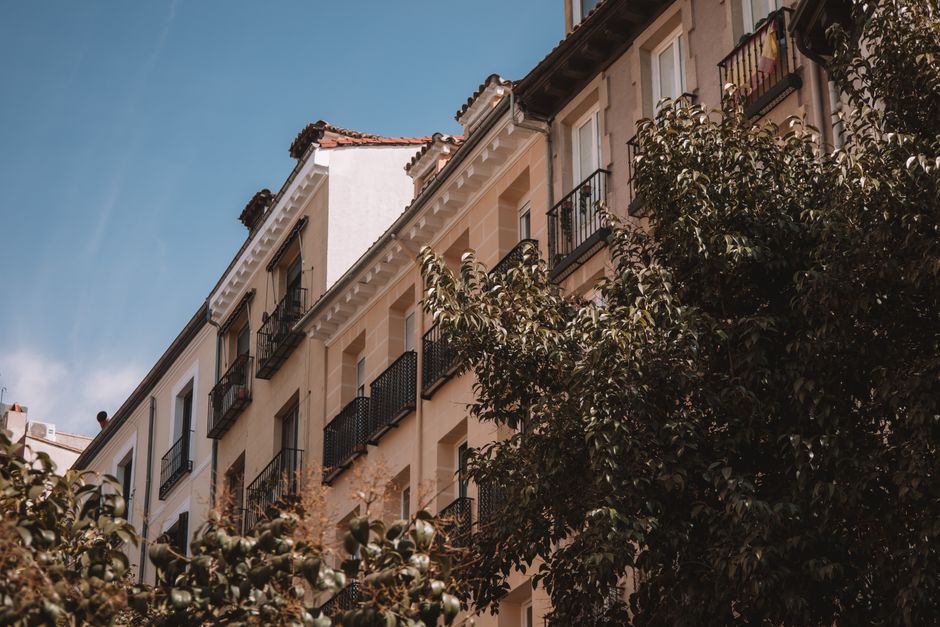
The initiative, centred on a newly renovated community space at Calle San Vicente Ferrer 42, officially launches next month with programming designed explicitly for long-term residents. Unlike the curated Instagram aesthetic that now dominates the neighbourhood's commercial strips, organisers emphasise accessibility: Spanish language classes for immigrant families, affordable childcare cooperatives, and skills-sharing workshops on everything from bicycle repair to budgeting.
"We're losing our neighbours," explains María García, a Malasaña resident for 22 years who helped spearhead the project. "Young families can't afford €1,200 for a two-bedroom anymore. Teachers, nurses, shop workers—they're moving to Fuenlabrada, Getafe. The community becomes hollow."
Data supports her concern. Between 2015 and 2024, Malasaña's median rent jumped from €850 to €1,480 monthly, while the neighbourhood's demographic composition shifted dramatically. The percentage of residents over 65 has nearly doubled, while families with children dropped by 31 percent. Meanwhile, unoccupied tourist apartments now represent roughly 22 percent of residential stock—among Madrid's highest concentrations.
The hub's model draws inspiration from similar initiatives across Spain's major cities. Organisers have secured €180,000 in municipal funding and partnerships with local institutions including the Colegio Público Cervantes and Centro de Salud Malasaña. Monthly cultural events, skill-swaps, and childcare cooperatives are already attracting interest from residents across adjacent neighbourhoods.
City councillor for Malasaña district acknowledged the project reflects growing resident anxiety. "These spaces create social infrastructure that commercial development doesn't," she noted, pointing to rising demand for community-anchored initiatives in Madrid's rapidly gentrifying districts.
Whether such efforts can meaningfully counter market forces remains uncertain. But for residents watching their neighbourhood transform, the hub represents something increasingly rare: a space explicitly designed for them rather than visitors. In a Madrid where neighbourhood character increasingly correlates with property valuations, that distinction matters immensely.
This article was compiled by AI from the sources linked above and screened before publishing. See our editorial standards.
How does this story make you feel?
Spread the word
About this article
Published by The Daily Madrid
Daily brief
Free, in your inbox before 7am. Weekdays.
More in News