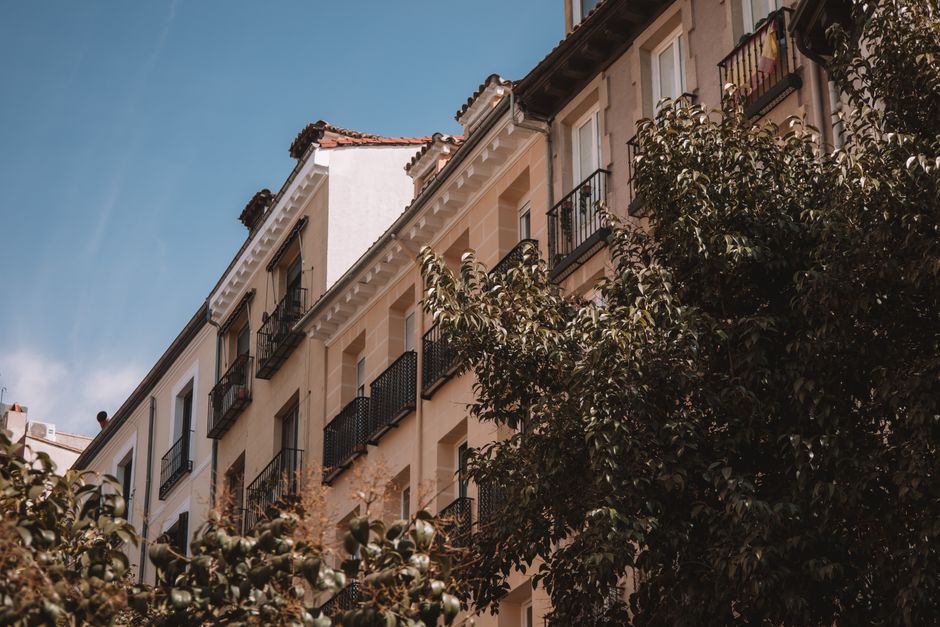
In the narrow streets of Lavapiés, where Moroccan, Ecuadorian, and Chinese businesses nestle alongside traditional Spanish tapas bars, the conversation about migration in Madrid is shifting. No longer confined to political rhetoric or policy papers, the voices of those living through housing shortages and gentrification are demanding space in the city's narrative.
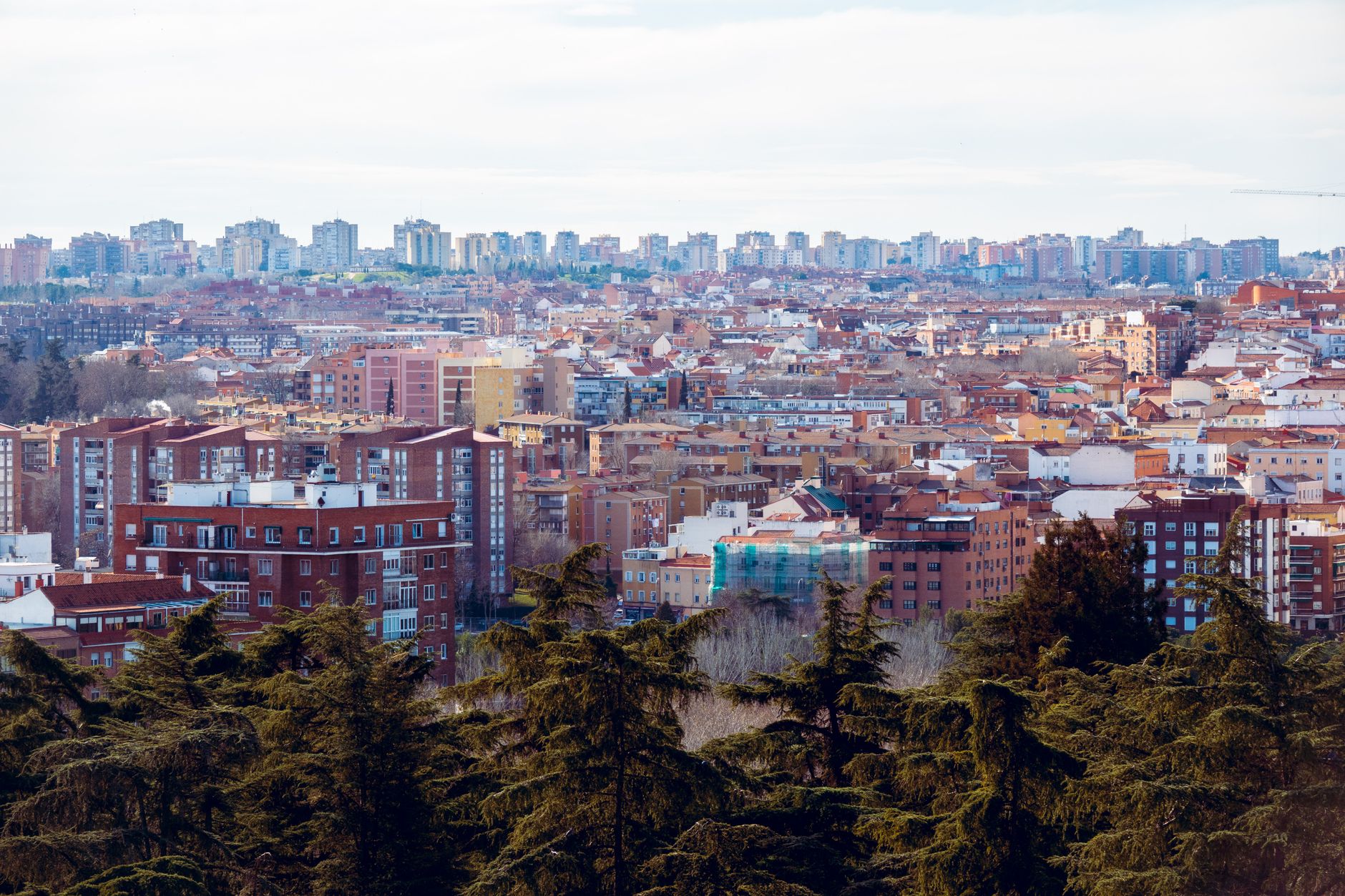
Housing costs in central Madrid have surged 34% in the past three years, with average rents now exceeding €1,200 monthly in sought-after neighbourhoods. In working-class areas like Usera—home to Madrid's largest immigrant population—the pressure is equally acute. Community organisers working at centres such as the Asociación de Inmigrantes de Madrid report growing numbers of families forced into increasingly cramped conditions or relocated to distant suburbs.
"People see us as a problem to be solved," said one community representative at a grassroots meeting in the Parque de la Culebra last month, speaking on condition of anonymity due to precarious housing status. "But migrants built this city. We work in hospitals, care homes, construction. Where are we supposed to live?"
The question reflects a deeper tension. Madrid's 2024 municipal data shows immigrants comprise roughly 17% of the population—over 600,000 people—yet representation in housing policy discussions remains marginal. Recent initiatives by groups working across Tetuán, Puente de Vallecas, and Carabanchel have attempted to centre migrant experiences, organising forums where residents discuss solutions rather than waiting for politicians to decide their fate.
One recurring theme: the need for affordable housing preservation. Several community members highlighted successful cooperative models operating in Barcelona and Valencia, questioning why Madrid hasn't adopted similar approaches to prevent permanent displacement of established migrant families.
The debate extends beyond economics. Cultural identity appears equally threatened. Long-established businesses—African restaurants, Pakistani grocers, Latin American travel agencies—are closing as landlords seek commercial tenants offering higher returns. "This used to be a neighbourhood where you could build a life," observed a local shopkeeper in Lavapiés, whose own lease had tripled. "Now it feels temporary for everyone except the investors."
City officials have pledged to increase social housing stock by 15% through 2028, yet migrant advocates argue the pace is insufficient. Meanwhile, community organisations continue mobilising residents, hosting monthly assemblies and preparing detailed housing proposals for the next municipal cycle.
As Madrid continues attracting global investment and tourism, these voices insist the conversation must include those most vulnerable to displacement—or risk losing the diversity that makes the capital genuinely international.
This article was compiled by AI from the sources linked above and screened before publishing. See our editorial standards.