Madrid Parents and Teachers Sound Alarm Over Overcrowding Crisis in Public Schools
As enrollment surges across the capital, community voices reveal the human cost of underfunded classrooms in working-class neighbourhoods.
As enrollment surges across the capital, community voices reveal the human cost of underfunded classrooms in working-class neighbourhoods.
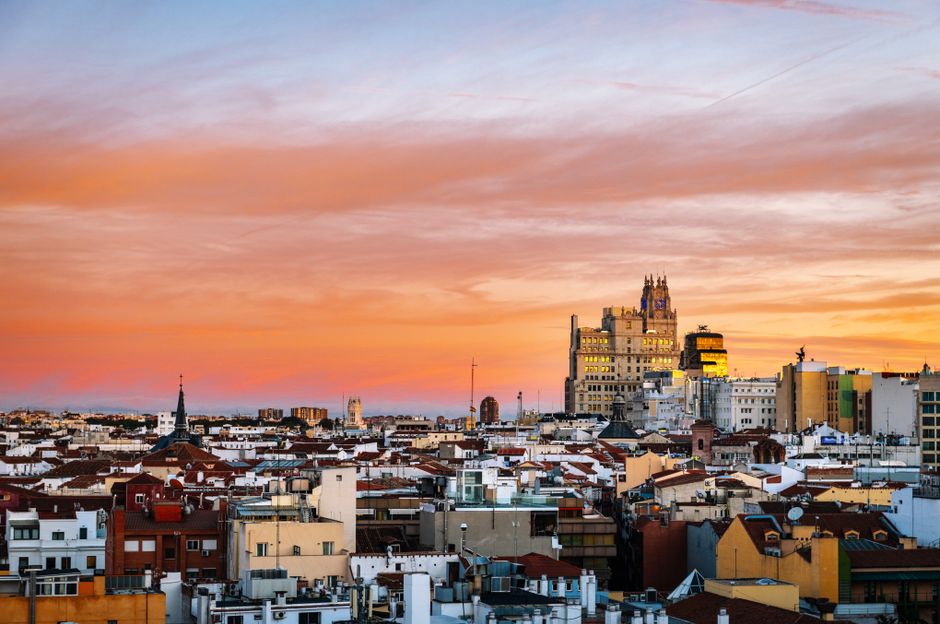
The crowded corridors of Colegio Público Príncipe de Asturias in Carabanchel tell a familiar story across Madrid this autumn. With 34 students squeezed into classrooms designed for 25, parents and educators are demanding action on a crisis that threatens educational quality in the Spanish capital's most vulnerable districts.
The public school system serving Madrid's working-class neighbourhoods—from Vallecas to Villaverde—is buckling under demographic pressure and chronic underfunding. According to education unions, Madrid's public primary schools have absorbed an additional 12,000 students over the past three years, while teaching staff numbers remain stagnant. Average class sizes in state schools now exceed those in comparable European capitals.
"We're doing more with less," says a representative from the Sindicato de Estudiantes, who regularly documents conditions in schools across the city's south side. "Parents see their children in overcrowded classrooms, sharing outdated textbooks, and they're rightfully frustrated. The situation in neighbourhoods like San Cristóbal and Usera reflects a two-tier system where wealthy families gravitate toward private institutions."
The financial burden falls heavily on households. Private school fees in central Madrid average €6,500 annually, pricing out working families. Community associations in Latina and Arganzuela have begun coordinating efforts to pressure the regional government for increased allocations to public education infrastructure.
Professors at Universidad Autónoma de Madrid's Faculty of Education have warned that overcrowding at primary and secondary levels creates a pipeline problem. "Students entering university from under-resourced public schools often require additional academic support," notes research published by the faculty this spring. "The inequality compounds over time."
Meanwhile, Madrid's university sector faces its own tensions. Tuition hikes implemented across public universities—including Universidad Complutense and UAM—have sparked student protests at Plaza Mayor and outside the Rectorado. Rising costs coincide with delayed infrastructure renovation across aging campuses.
Community leaders from education advocacy groups meeting regularly at cultural centres in Malasaña emphasize that solutions require sustained political commitment. "This isn't about blame," one parent coordinator explained, "but about recognizing that Madrid's future depends on investing in public education now. Teachers shouldn't need supplementary materials purchased from their own salaries, and children shouldn't be learning in spaces designed for half their number."
As summer break ends and new enrollment figures emerge, families across Madrid's working-class districts await concrete policy responses. The conversation, driven by those directly affected, shows no signs of quieting.
This article was compiled by AI from the sources linked above and screened before publishing. See our editorial standards.
How does this story make you feel?
Spread the word
About this article
Published by The Daily Madrid
Daily brief
Free, in your inbox before 7am. Weekdays.
More in News