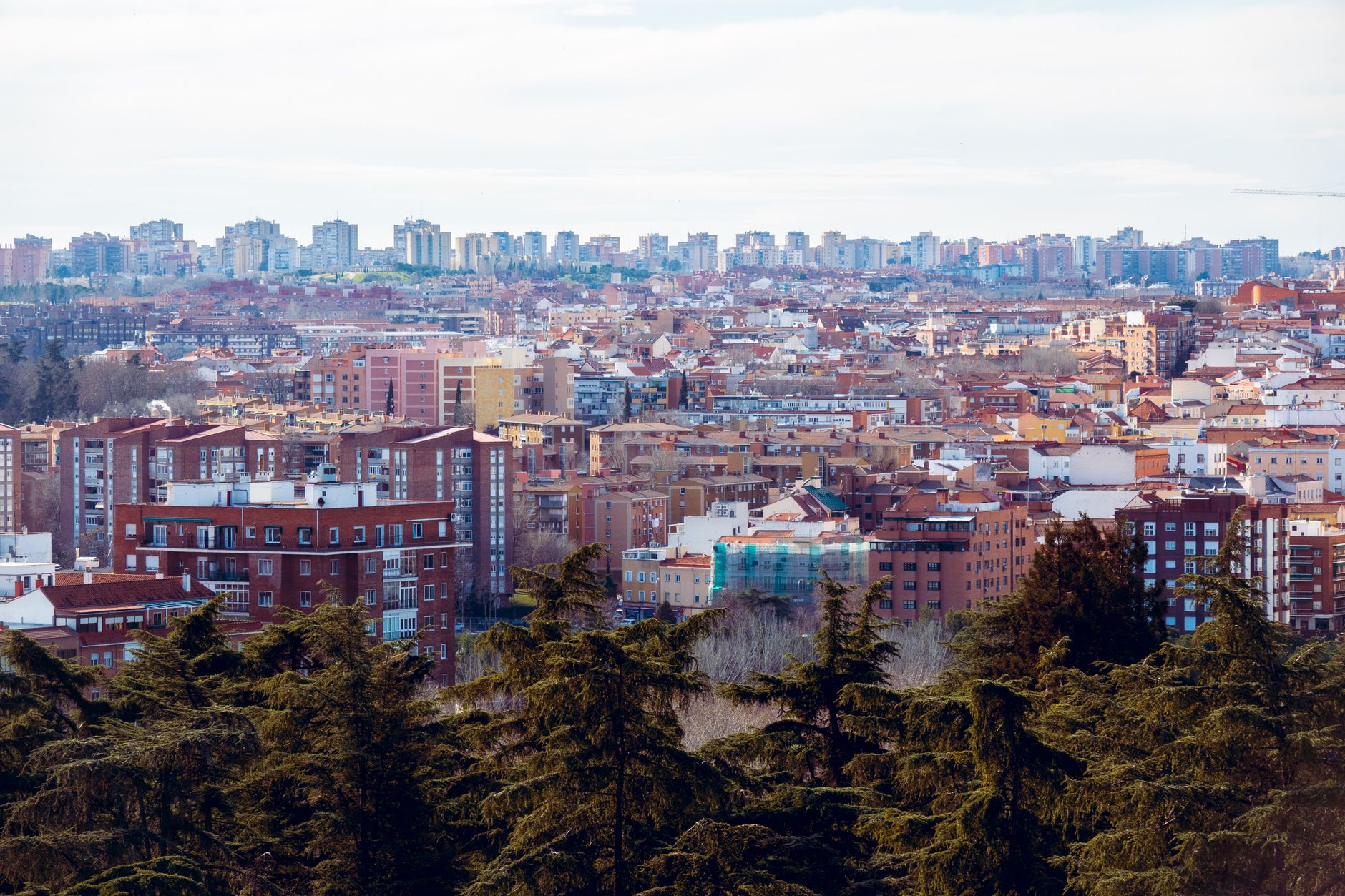
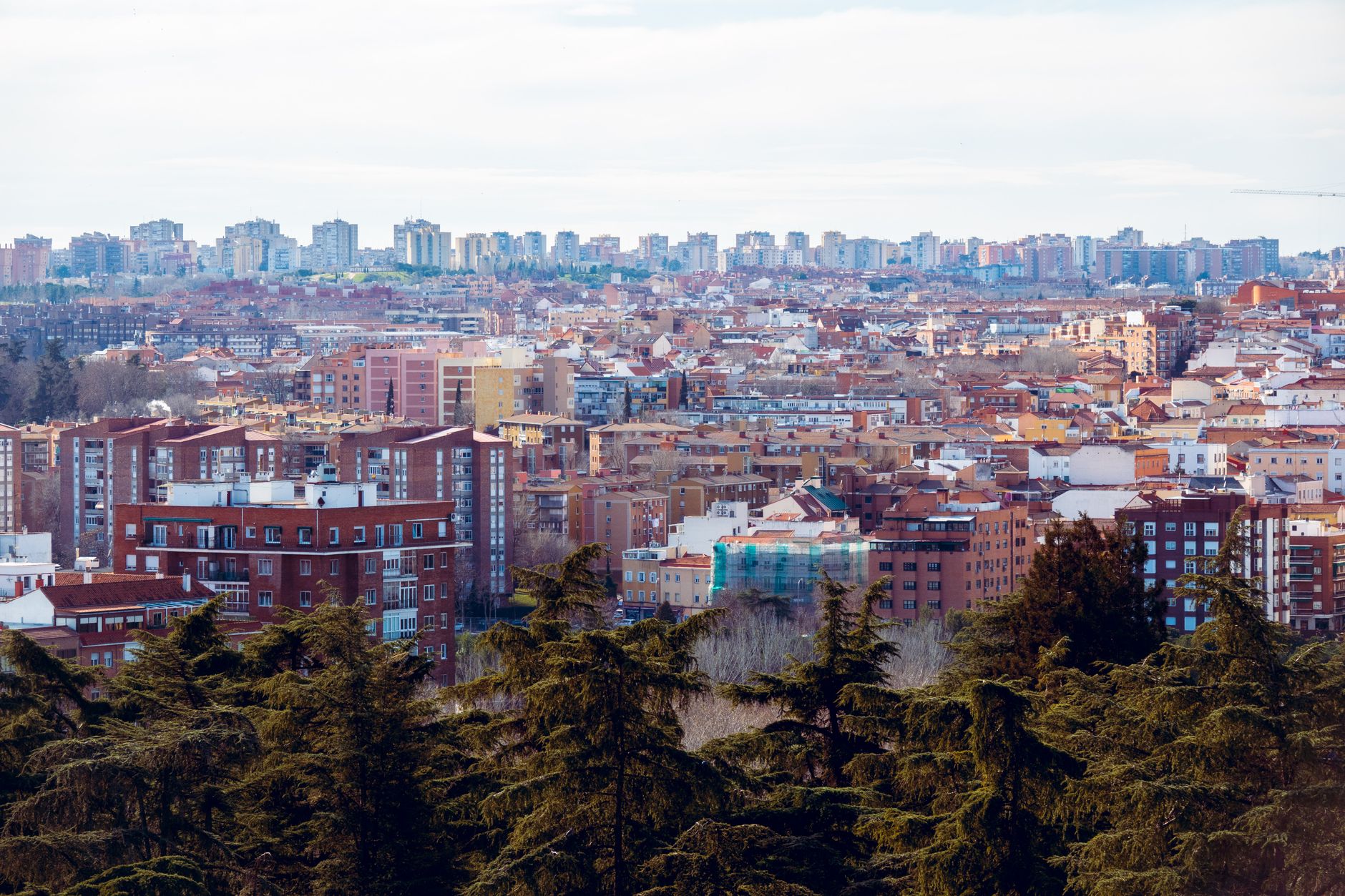
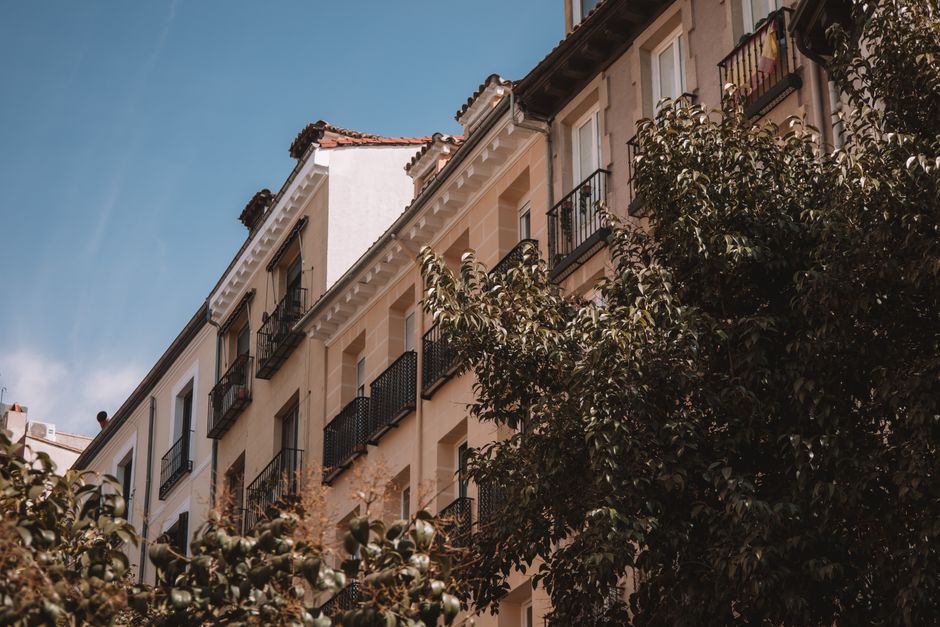
Walk down Calle de la Palma in Malasaña today and you'll see Community Centre La Corrala bustling with activity—children attending summer workshops, pensioners gathering for afternoon coffee, volunteers coordinating meal programmes. But five years ago, this converted 19th-century building sat largely shuttered, a casualty of austerity cuts that decimated Madrid's neighbourhood social services between 2012 and 2020.
The story of how Malasaña's residents reclaimed their community infrastructure mirrors a broader shift across working-class Madrid districts. During the economic crisis, municipal funding for neighbourhood centres dropped by nearly 40 percent according to municipal records reviewed by The Daily Madrid. In Lavapiés, Puente de Vallecas, and San Blas-Canillejas, dozens of centres operated on skeleton crews or closed entirely.
"We watched essential services disappear," recalls the history of organising in these neighbourhoods. Families that once relied on after-school programmes, language classes, and elder care had nowhere to turn. Youth unemployment in outer districts hit 45 percent in some areas by 2018. Senior isolation became a documented crisis, with over 12,000 residents aged 65+ living alone across Madrid's peripheral neighbourhoods.
What followed wasn't a government rescue, but rather a grassroots reconstruction. Neighbourhood associations in Malasaña, Vallecas, and Carabanchel began occupying abandoned municipal spaces. They networked with local businesses, churches, and cultural organisations. A bakery owner on Plaza del Dos de Mayo donated space for youth mentoring. The Parroquia de San Bernardino contributed kitchen facilities for community meals. By 2023, over 60 neighbourhood-run programmes operated across these areas with minimal official support.
The momentum has shifted slightly. The current municipal administration, elected in 2023, has begun reinvesting in community infrastructure. Budget allocations for neighbourhood centres increased by 25 percent this year. Several centres like La Corrala have secured formal partnerships with the city, though many remain dependent on volunteer labour and private donations.
Today's reality reflects hard-won lessons. Residents learned that waiting for institutions to solve neighbourhood decline wasn't viable. They discovered that informal networks—a retired teacher offering literacy classes, a local business providing space, neighbours organising—could sustain community life when formal systems failed. As Madrid continues expanding outward, with new developments in zones like Sanchinarro and Vallecas, the question facing the city is whether it will learn from a decade of neglect or repeat it.
This article was compiled by AI from the sources linked above and screened before publishing. See our editorial standards.