Madrid stands at an environmental inflection point. With the city's 2030 carbon neutrality pledge now just four years away, the municipal government faces a series of consequential decisions that will determine whether the capital can genuinely transform its relationship with sustainability or merely shuffle existing problems around.
The most immediate test comes next month, when the city council votes on expanding the Low Emission Zone (Zona de Tráfico Limitado) beyond its current boundaries in central Madrid. Currently restricted to the inner ring around Sol and Plaza Mayor, the proposal would extend restrictions to include neighbourhoods like Chamberí and Salamanca—potentially affecting 180,000 additional residents and commuters. The financial stakes are substantial: parking permits for restricted areas currently cost €132 annually, while vehicle fines for violations reach €90 per infraction. City planners estimate the expansion could reduce transport emissions by 12-15 percent, but business associations along Calle Serrano and Paseo de la Castellana have already mobilised opposition.
Simultaneously, Madrid must decide on a contentious waste-to-energy facility planned for the outskirts of Getafe, just 25 kilometres south of the city centre. The €320 million incinerator project promises to process 400,000 tonnes of municipal waste annually—addressing a chronic problem that has seen Madrid's landfill usage grow 23 percent since 2020. Yet environmental groups contend the facility contradicts circular economy principles and will anchor the city into high-consumption patterns rather than prioritising reduction and reuse initiatives already gaining traction in districts like Malasaña and Chueca.
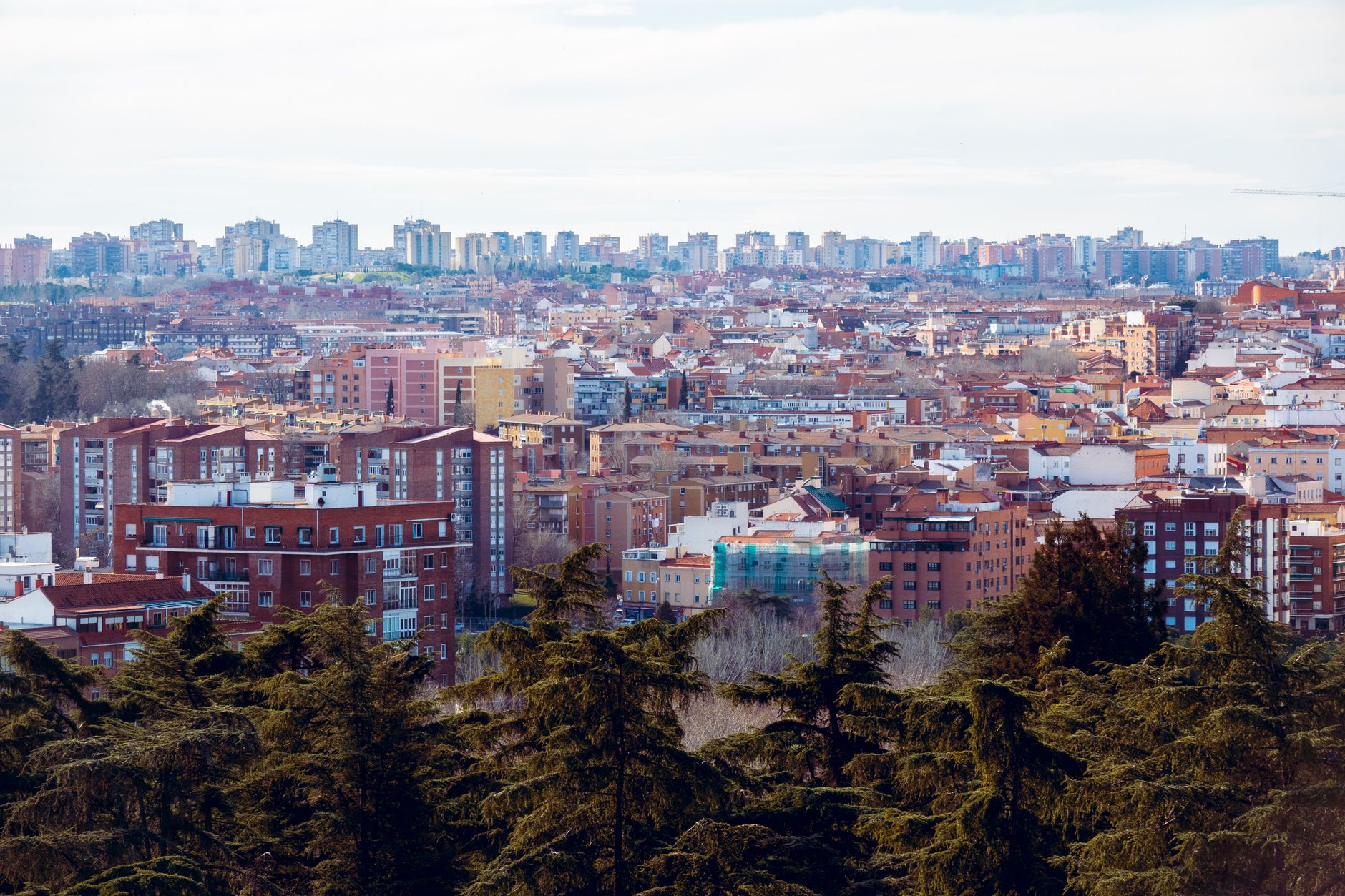
Perhaps most significantly, the city faces a September deadline to finalise its revised urban development strategy. The current framework permits sprawling suburban construction across the metropolitan region, consuming approximately 2,000 hectares of agricultural land annually. Tightening zoning regulations could preserve Madrid's green periphery—critical carbon sinks and recreational assets—but would inevitably increase housing costs in a city where median rental prices have jumped 34 percent since 2022.
Environmental advocates argue these decisions are interconnected. Restricting car access while failing to densify housing sustainably simply pushes problems outward. Conversely, building upward without genuine low-emission transport infrastructure merely creates new problems in existing neighbourhoods.
The city council's sustainability commission will begin public hearings next week. What emerges from those debates will largely determine whether Madrid's green ambitions survive contact with economic reality, or whether the next four years see genuine systemic change.
This article was compiled by AI from the sources linked above and screened before publishing. See our editorial standards.