Madrid's Migration Boom by the Numbers: What 847,000 Residents Tell Us About Europe's Changing Capital
New demographic data reveals Madrid now hosts more foreign-born residents than ever before, reshaping neighbourhoods from Lavapiés to Vicálvaro.
New demographic data reveals Madrid now hosts more foreign-born residents than ever before, reshaping neighbourhoods from Lavapiés to Vicálvaro.
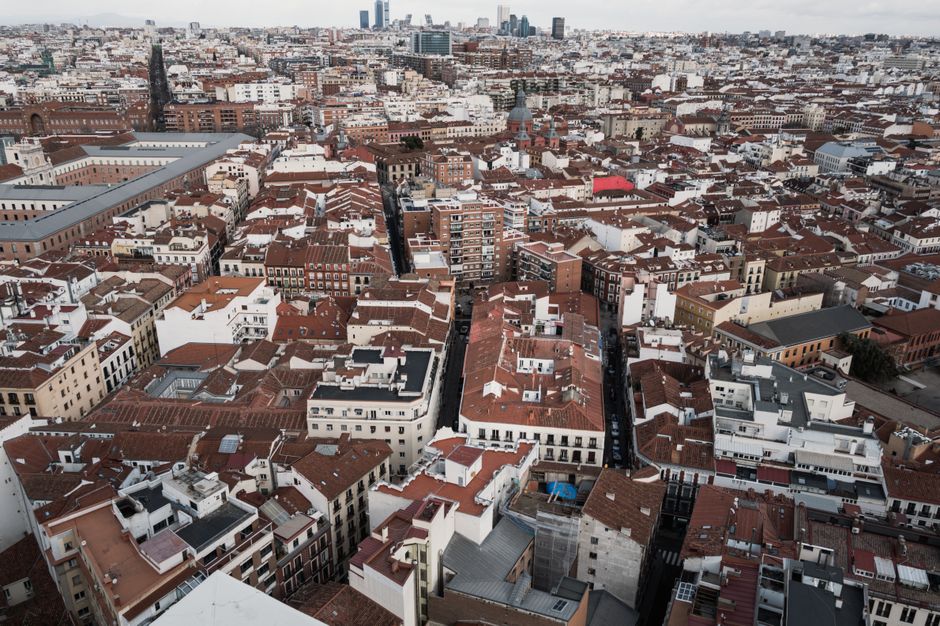
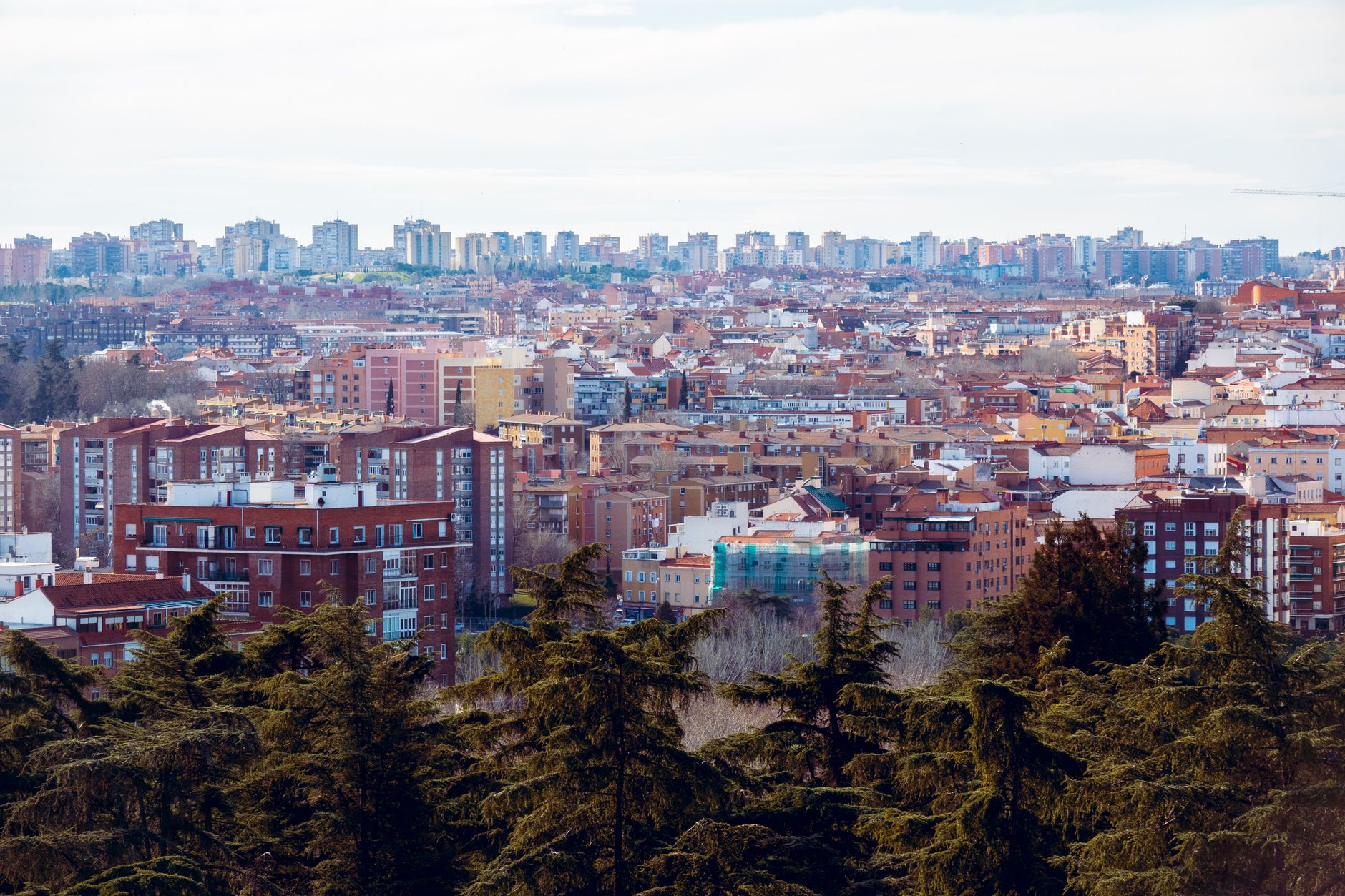
Madrid's foreign-born population has reached 847,000 residents—nearly 30% of the capital's total 2.8 million inhabitants—according to municipal statistics released this month by the Ayuntamiento's Department of Demographics. The figure marks a significant shift in Europe's third-largest capital, with implications far beyond headline numbers.
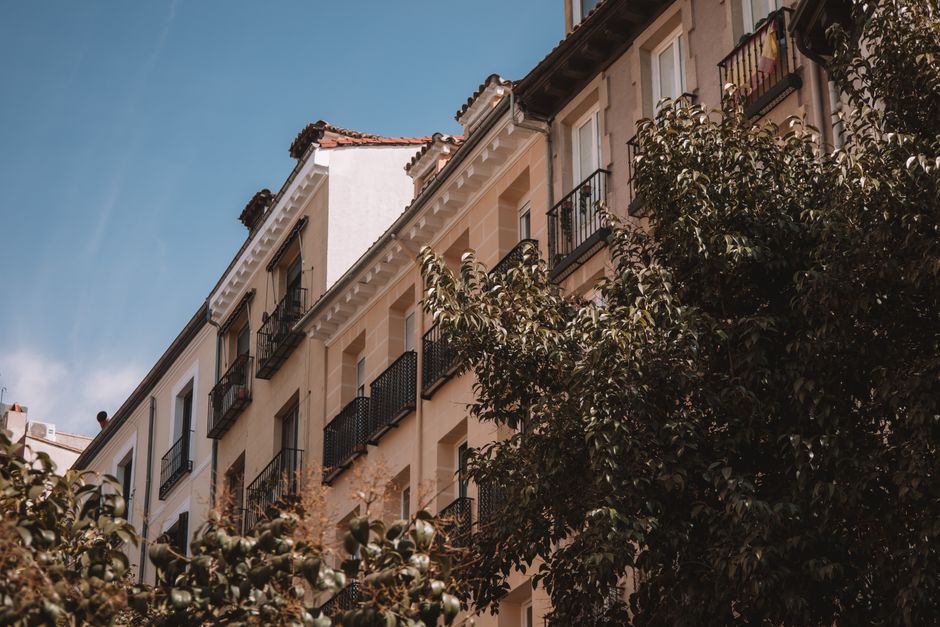
The data tells a story of profound neighbourhood transformation. In Lavapiés, historically Madrid's gateway for migrant communities, foreign-born residents now comprise 48% of the population, up from 31% a decade ago. Meanwhile, emerging hubs like Vicálvaro and San Blas-Canillejas have seen their migrant populations grow by over 60% in the same period, according to census data analysed by the municipal planning authority.
The economic dimension is equally striking. Housing costs in traditionally immigrant neighbourhoods have surged dramatically. Rent in Lavapiés now averages €950 monthly for a one-bedroom apartment—a 340% increase since 2015—forcing many established residents toward the periphery. Data from Madrid's property registry shows foreign nationals now purchase approximately 22% of residential properties in the city, up from 8% in 2016.
Employment patterns underscore integration challenges. Madrid's Statistical Institute reports that 34% of foreign workers occupy positions in healthcare, hospitality, and domestic services—sectors offering wages 18-25% below Madrid's average monthly salary of €2,140. Yet entrepreneurship among migrant communities is accelerating: immigrant-founded businesses increased by 47% between 2020 and 2026, with significant concentrations in retail and gastronomy along streets like Calle de la Ruda and Paseo de la Dirección.
Educational access remains uneven. Municipal schools in districts with migrant populations exceeding 40% report receiving 15% less per-capita funding than citywide averages, according to education ministry data. However, language programmes have expanded: Madrid's network of public integration centres now serves 12,400 residents annually, up from 3,100 in 2018.
The healthcare sector reflects these demographic shifts. The 12 primary care centres serving Lavapiés, Embajadores, and Centro districts now employ interpreters in 17 languages, with administrative costs increasing by €2.3 million annually. Emergency room visits at hospitals serving high-migrant neighbourhoods have risen 31% since 2020.
Immigration experts emphasise that these numbers—while significant—reveal only part of the story. Official statistics exclude undocumented residents, estimated by advocacy groups at 60,000-80,000. The real transformation of Madrid's demographic landscape remains, numerically speaking, partially invisible.
This article was compiled by AI from the sources linked above and screened before publishing. See our editorial standards.
How does this story make you feel?
Spread the word
About this article
Published by The Daily Madrid
Daily brief
Free, in your inbox before 7am. Weekdays.
More in News