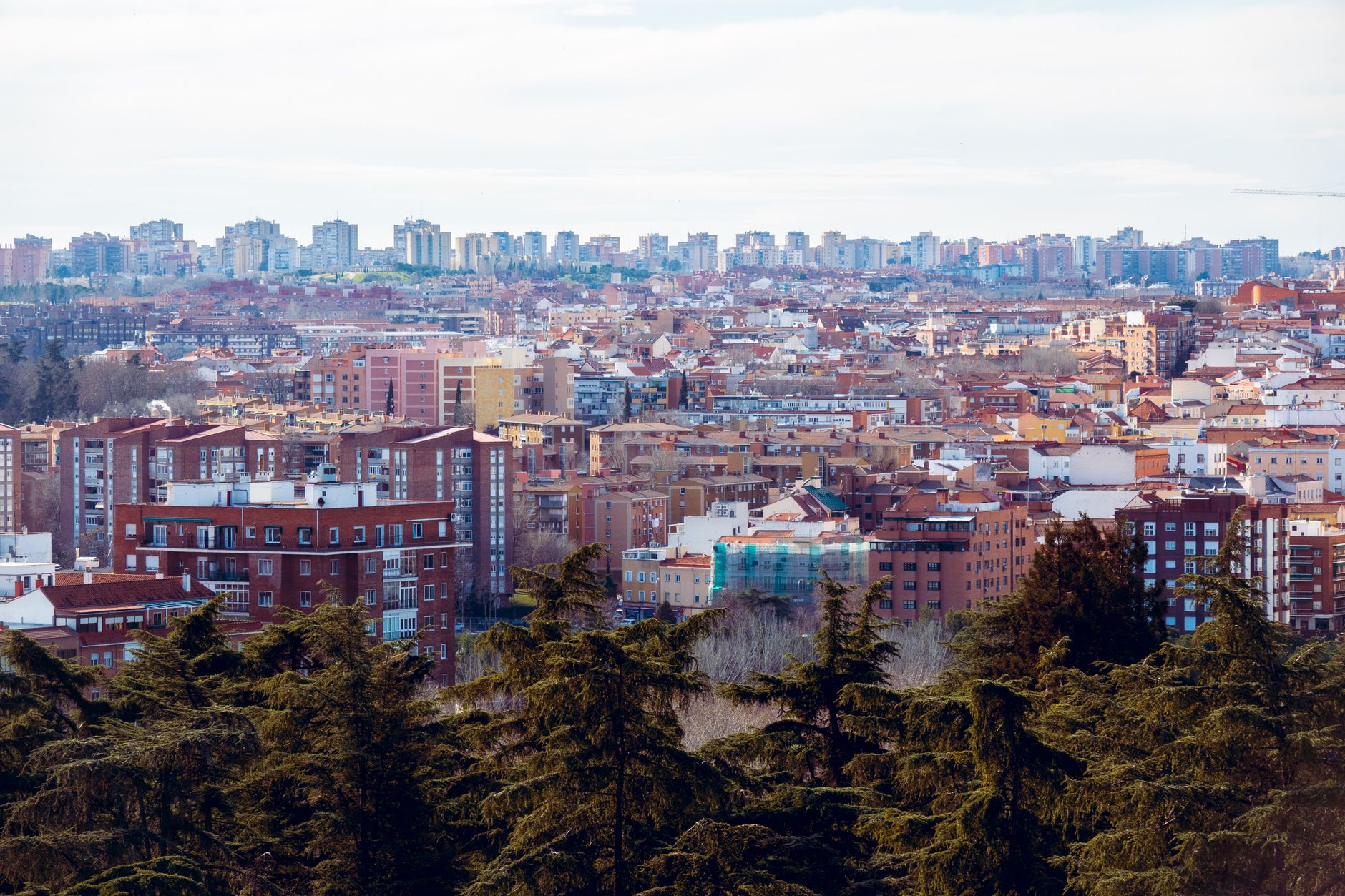
Madrid's housing crisis didn't emerge overnight. It is the product of two decades of fragmented decision-making, missed opportunities, and conflicting ideologies that have transformed the city into one of Europe's least affordable capitals for ordinary workers.
The trajectory is instructive. During the 2000s property boom, Madrid's city government prioritized developer-friendly zoning across neighbourhoods like Chamartín and Valdebernardo. Apartment prices tripled between 2000 and 2008, driven largely by speculation and foreign investment rather than genuine demand. Locals watched as family homes along the Paseo de la Castellana became luxury investment vehicles, many sitting empty year-round.
When the financial crisis hit in 2008, Madrid had amassed an oversupply of expensive units targeting a market that had evaporated. Yet rather than use this moment to redirect urban planning toward affordable housing, the city's approach remained reactive. Successive administrations watched as buy-to-let investors snapped up distressed properties at bargain prices, only to hold them as assets while rental demand surged among Madrid's growing population of young professionals, immigrants, and displaced families.
By the mid-2010s, average rent in central districts like Sol and Malasaña had doubled again. The city's stock of public housing remained minuscule—less than 3 per cent of Madrid's total housing compared to 18 per cent in Vienna. Meanwhile, student housing operators and corporate investment funds began consolidating control of entire building blocks in Chueca and Universidad, converting family apartments into micro-units.
The Socialist administration's turn toward rent controls from 2019 onwards represented a dramatic philosophical shift, yet it came without accompanying supply-side measures. Landlords responded by reducing listings or converting properties to tourist rentals in the Barrio de las Letras and beyond. City planners struggled to enforce regulations across a fragmented private market.
Today's impasse reflects this messy inheritance. Madrid's municipal housing department has quietly prioritized modest interventions—streamlining permits for affordable conversions, negotiating with developers for mandatory affordable units in new projects around the Manzanares riverfront. But these incremental measures address symptoms rather than causes.
The underlying problem remains structural: Madrid developed for investors, not residents. Reversing that requires coordinated long-term vision across municipal, regional, and national governments—something the city's fractious political landscape has rarely sustained. Until policymakers acknowledge how Madrid arrived at this impasse, their solutions will likely repeat the pattern of incomplete fixes that created it.
This article was compiled by AI from the sources linked above and screened before publishing. See our editorial standards.