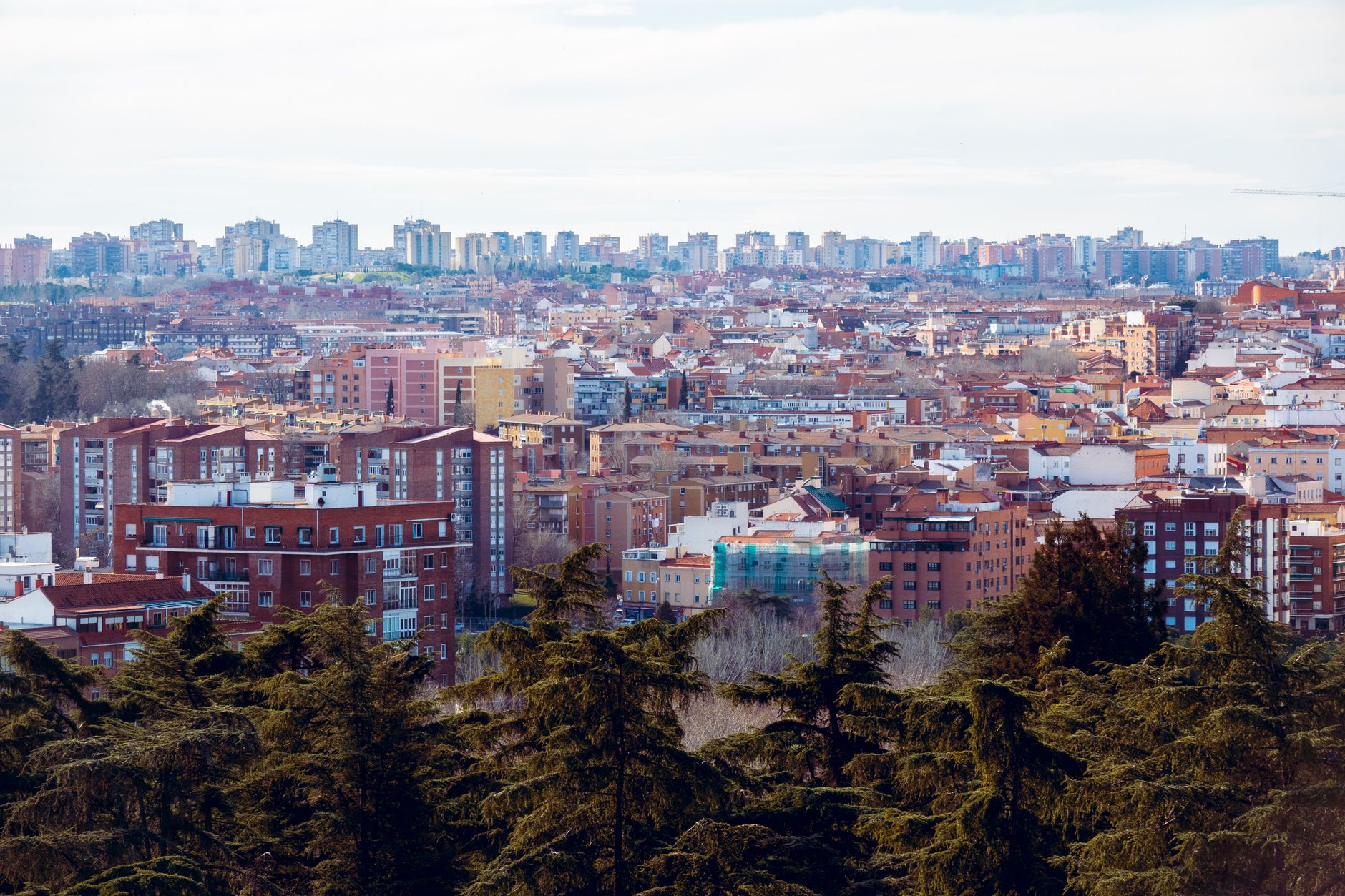
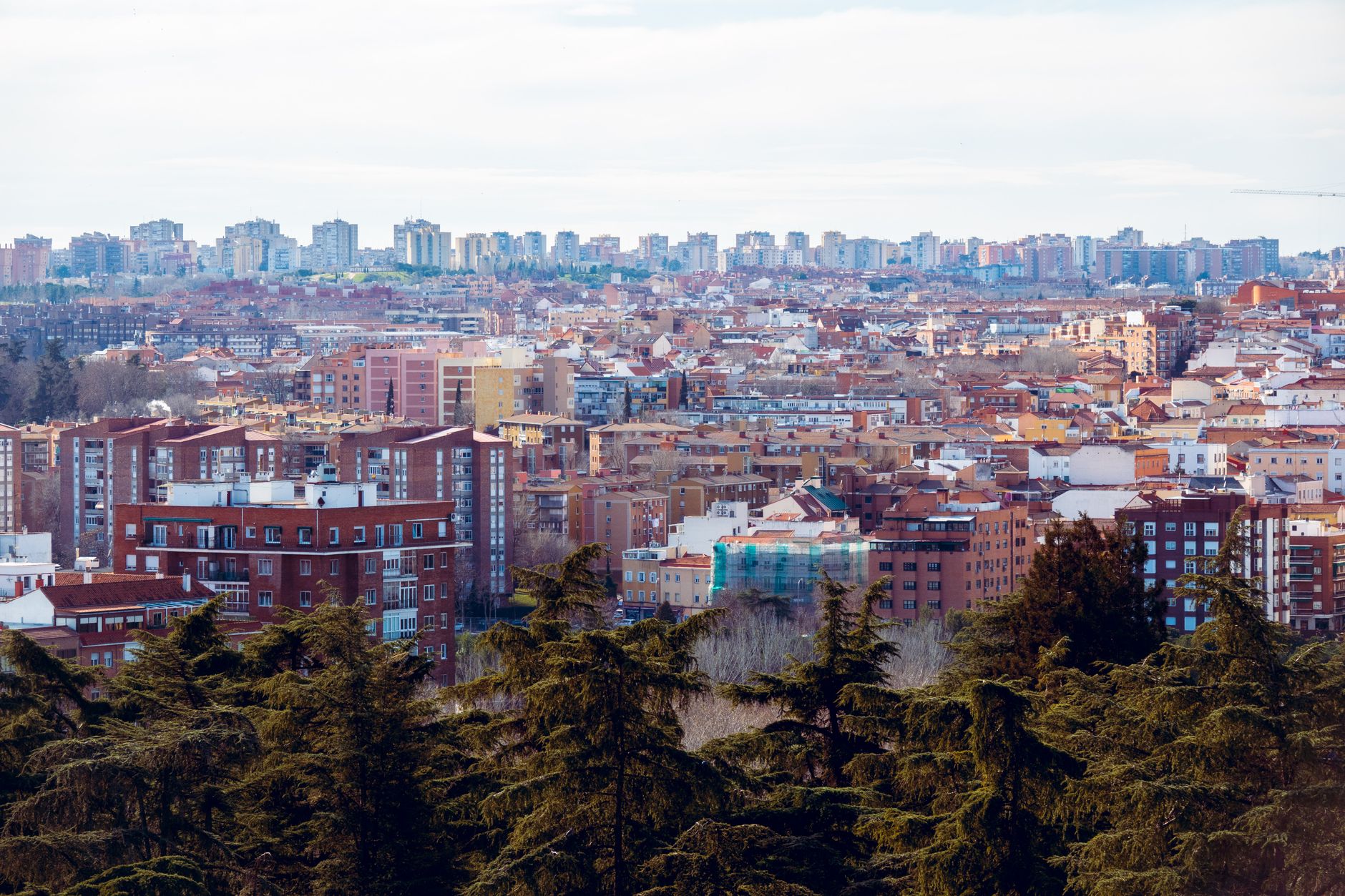
Madrid's current housing affordability crisis didn't emerge overnight. The trajectory that brought the Spanish capital to a point where average rental prices now exceed €1,200 monthly for a one-bedroom apartment in central neighbourhoods reflects a complex interplay of policy decisions, market liberalisation, and demographic shifts spanning more than a decade.
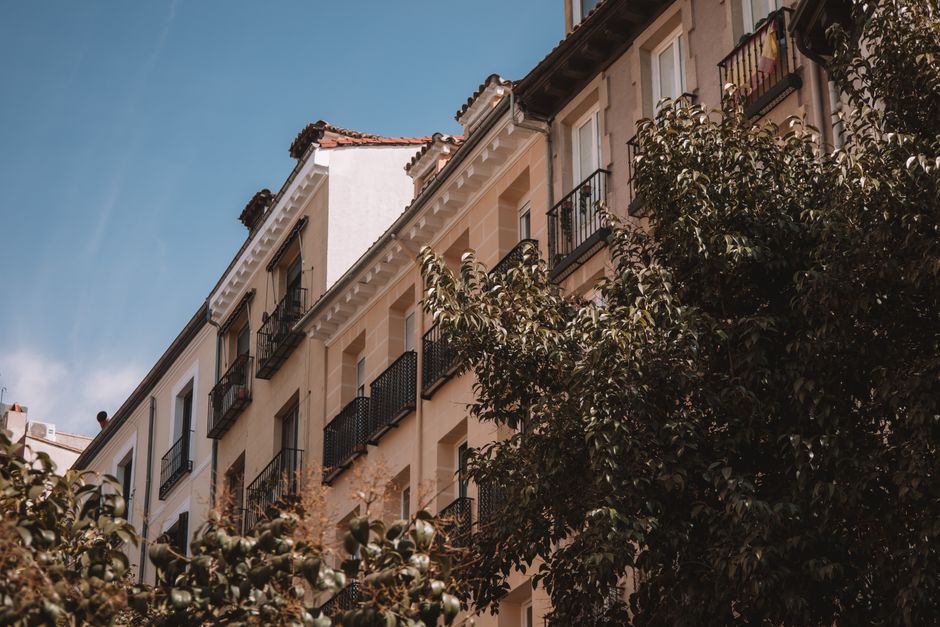
The foundation was laid in 2013 when Spain's Property Market Law loosened restrictions on urban development and short-term rental regulations. At the time, the measure was heralded as a means to stimulate economic recovery following the 2008 financial collapse. However, what followed was the gradual conversion of traditional rental stock into tourist accommodation platforms, fundamentally altering Madrid's housing landscape. Districts like Sol, Malasaña, and Chueca—once predominantly residential—saw their character shift dramatically as property owners pursued higher-margin tourist rentals over conventional lettings.
Between 2016 and 2024, Madrid's population grew by approximately 8 percent, while new housing construction failed to keep pace. The city added roughly 45,000 residential units over that period, insufficient for a metropolitan area attracting both domestic migrants and international arrivals. Investment firms and foreign capital increasingly purchased properties as speculative assets rather than homes, further constraining available stock for ordinary residents.
The municipal government's attempts to address the situation have been incremental. The 2020 introduction of the Vivienda programme aimed to protect long-term rentals, offering tax incentives to landlords who agreed to rent below market rates. Yet participation remained limited, with fewer than 3,000 properties registered by 2025. Meanwhile, the Regional Housing Authority's social housing stock—concentrated in neighbourhoods like San Blas-Canillejas and Villaverde—expanded modestly but couldn't absorb demand from the 180,000 families on waiting lists.
Administrative complexity compounded these structural issues. Obtaining permits for new construction in inner districts became protracted, with environmental assessments and neighbourhood objections frequently extending timelines. A proposed residential complex in Arganzuela faced six years of administrative procedures before breaking ground.
Today's crisis reflects this accumulated effect: neither market forces nor government intervention successfully calibrated supply and demand. Recent proposals—including mandatory rent controls and accelerated social housing development near transport hubs like Atocha and Plaza de Castilla—represent attempts to reset the equation. Whether they address root causes or merely manage symptoms will define Madrid's habitability for generations of residents.
This article was compiled by AI from the sources linked above and screened before publishing. See our editorial standards.