Madrid's Green Future at a Crossroads: The Critical Decisions Facing the City's Sustainability Plan
As the capital's ambitious environmental targets near crucial review points, stakeholders must now choose between compromise and transformation.
As the capital's ambitious environmental targets near crucial review points, stakeholders must now choose between compromise and transformation.
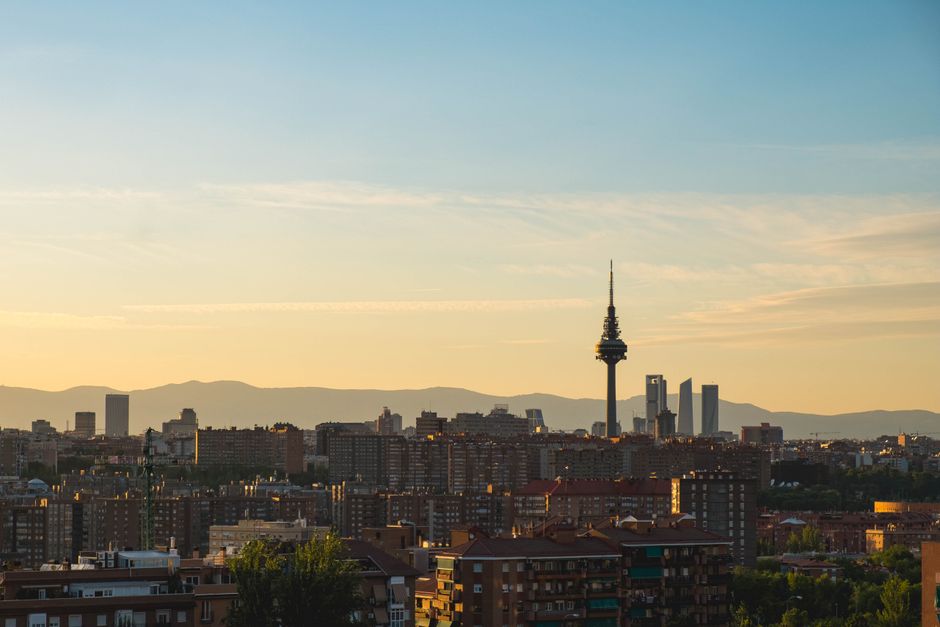
Madrid stands at a defining moment in its environmental trajectory. The city's 2030 sustainability roadmap—launched with considerable fanfare in 2023—now faces its most demanding phase: translating rhetoric into binding infrastructure decisions that will shape the next decade.
The immediate battleground centres on the expansion of the city's cycling network and public transport priorities. City Hall's proposal to convert a full lane of Paseo de la Castellana into a protected bike corridor would serve approximately 15,000 daily commuters but requires reclassifying what is currently a mixed-use traffic zone. Similarly contentious is the plan to pedestrianise sections of Calle Serrano in Chamberí, which would displace approximately 200 parking spaces while potentially boosting local retail foot traffic by up to 18 percent, according to preliminary municipal studies.
Energy generation presents another critical juncture. Madrid's rooftop solar initiative, which has installed panels on 340 municipal buildings since 2022, must now decide whether to mandate solar installation on all new residential construction above a certain size. The regulation could add between €8,000 and €12,000 to apartment costs, raising affordability concerns in a city where median property prices have climbed 23 percent since 2020.
Perhaps most consequentially, the Madrid Metropolitan Area Water Authority faces pressure to accelerate its plan to reduce consumption by 22 percent by 2030. This means confronting uncomfortable questions about irrigation policies for the Casa de Campo and the Retiro gardens—two of the city's most-loved green spaces that together consume approximately 4 million cubic metres of water annually.
The coming months will determine whether Madrid pursues incremental changes or genuine systemic reform. City officials, environmental organisations, and business groups have scheduled a series of public consultations beginning in September, with final decisions expected by December. The stakes are considerable: Madrid has committed to carbon neutrality by 2040, and several 2026 decisions will determine whether that target remains aspirational or achievable.
Neighbourhood associations in Salamanca and Retiro have already mobilised in anticipation of announced changes. Meanwhile, the regional government in the Comunidad de Madrid continues to signal resistance to what it characterises as overly ambitious restrictions on urban development and traffic management.
The question now is not whether Madrid will pursue sustainability, but at what pace and with what social trade-offs. The next six months will clarify whether the city's environmental commitment can withstand the complex realities of governing one of Europe's largest metropolitan areas.
This article was compiled by AI from the sources linked above and screened before publishing. See our editorial standards.
How does this story make you feel?
Spread the word
About this article
Published by The Daily Madrid
Daily brief
Free, in your inbox before 7am. Weekdays.
More in News