Voices from Malasaña: Residents Demand Action as Illegal Short-term Rentals Empty Historic Neighbourhood
Long-time residents of Madrid's bohemian district speak out about how vacation apartments are transforming their community into a ghost town.
Long-time residents of Madrid's bohemian district speak out about how vacation apartments are transforming their community into a ghost town.
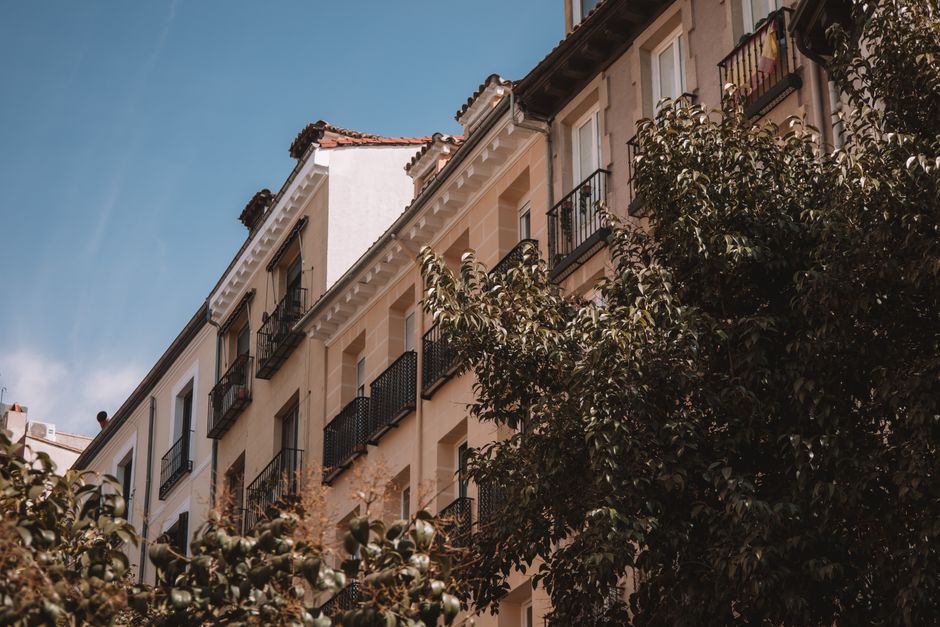
Walking down Calle del Espíritu Santo on a Tuesday morning, María José García points to the darkened windows of what was once her neighbour's apartment. "They moved out last year," the 68-year-old retired teacher says. "The landlord converted it to Airbnb. Now it's empty most of the winter months."
García's frustration echoes through Malasaña, the historic neighbourhood bounded by Gran Vía and the old city walls, where community members are increasingly vocal about the transformation of their residential enclave into what they describe as a tourist hotel district. According to municipal data from May 2026, nearly 34% of rental properties in the neighbourhood now operate as short-term vacation apartments—up from just 12% in 2019.
At the weekly gathering of the Malasaña Residents Association near Plaza del Dos de Mayo, neighbours shared their concerns about rising rents, disappearing local services, and the erosion of community bonds. "The bakery on Calle San Vicente Ferrer closed two years ago," says Roberto Fernández, a 55-year-old electrician who has lived in the area for three decades. "The greengrocer followed. When apartments turn over every few days, nobody invests in the neighbourhood anymore."
The economic impact cuts both ways. While property owners report rental income averaging €1,200 monthly for a two-bedroom apartment—significantly higher than traditional long-term rates of €750—residents argue the hidden costs are immeasurable. "My grandson can't afford to live near his family anymore," says Inmaculada López, 72, a former seamstress. "His monthly salary hasn't increased, but rents have doubled."
Local business owners express similar alarm. Diego Martínez, who manages Café Malasaña on Calle San Andrés, notes that tourist foot traffic has increased but customer loyalty has vanished. "Tourists buy one coffee and leave. Neighbours became regulars who supported us year-round," he explains.
The Madrid City Council has acknowledged the issue, with the housing department announcing a review of short-term rental regulations in June 2026. Proposed measures include limiting the number of vacation apartments per building and requiring owner-occupancy for licensed properties. However, residents remain sceptical about enforcement. "We've heard promises before," García says wearily. "What we need now is action that prioritises people over profit."
As summer tourist season peaks, Malasaña's residents continue documenting the changes to their neighbourhood, determined to reclaim what they say was once Madrid's most authentic and vibrant residential district.
This article was compiled by AI from the sources linked above and screened before publishing. See our editorial standards.
How does this story make you feel?
Spread the word
About this article
Published by The Daily Madrid
Daily brief
Free, in your inbox before 7am. Weekdays.
More in News