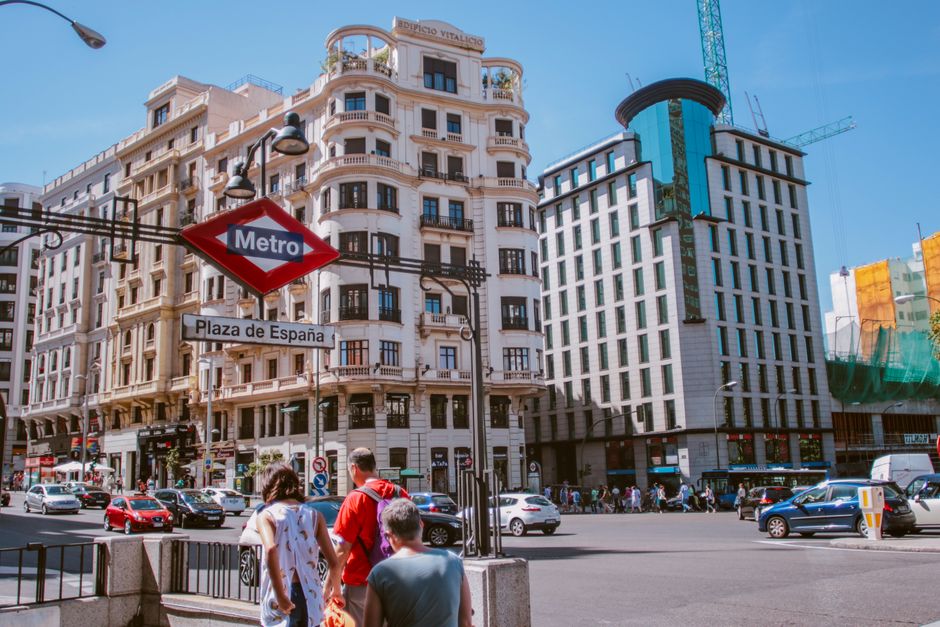
For Ana María Rodríguez, a cleaner who works in central Madrid's Salamanca district, the 90-minute daily commute from her flat in Sanchinarro has become unsustainable. She boards two buses and a metro line that terminates before reaching her neighbourhood, adding €45 weekly to her household budget. Come 2029, that could change dramatically when the new Line 11 extension reaches her area—a transformation that typifies why Madrid's €2.4 billion transport infrastructure programme matters far beyond engineering blueprints.
The regional government's multi-year plan targets three major gaps in the metropolitan network. Beyond Line 11's northward push, Line 10 will extend south towards Parla, while a completely new Line 12 corridor will connect Vicálvaro to the western suburbs. For communities long marginalised by inadequate public transport, these projects promise economic revival.
Current data tells the story starkly. Residents in peripheral neighbourhoods spend an average of 75 minutes commuting daily, compared to 35 minutes for those living within the M-40 ring road. Property values in areas directly served by new metro stations have historically jumped 12-18 per cent within three years of opening, according to Madrid's Chamber of Commerce. Sanchinarro, where household incomes average €28,000 annually, could attract retail investment and services currently concentrated elsewhere.
But locals know the reality isn't simple. Construction disruption will blanket areas like Rivas-Vaciamadrid and Torrejón de Ardoz throughout 2027 and 2028. Street access to shops on Avenida de Pablo Iglesias and surrounding commercial corridors will face periodic closures. The Metro de Madrid has committed to weekend-only deep excavation work in residential zones and maintaining emergency vehicle access, though residents remain sceptical based on past projects.
The broader community impact extends beyond commute times. Improved transport connectivity typically drives educational access—students currently travelling two hours to reach Instituto de Educación Secundaria facilities near Nuevos Ministerios could reach them in 40 minutes. Healthcare accessibility improves similarly, with Hospitals Gregorio Marañón and La Paz becoming reachable within the hour from areas where emergency visits currently consume three hours door-to-door.
Environmental gains matter too. Transport officials estimate the network expansion will remove approximately 80,000 daily car journeys from Madrid's roads by 2030, reducing nitrogen oxide emissions by an estimated 14 per cent in peripheral districts where air quality remains 8-10 per cent worse than central areas.
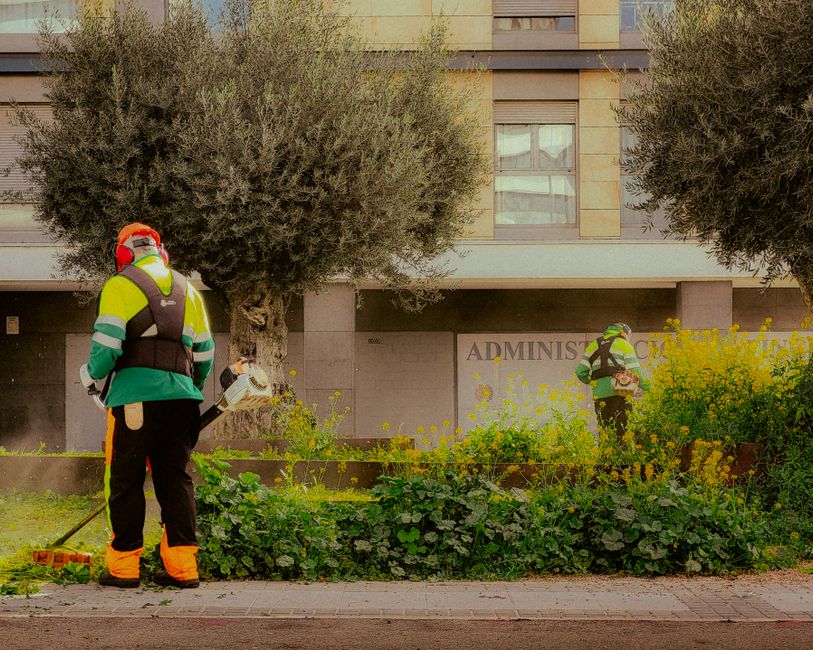
Construction began last month at the Sanchinarro depot. For residents long treated as Madrid's periphery, the bulldozers finally represent acknowledgment that connectivity is not a luxury—it's essential infrastructure that determines who participates fully in city life.
This article was compiled by AI from the sources linked above and screened before publishing. See our editorial standards.