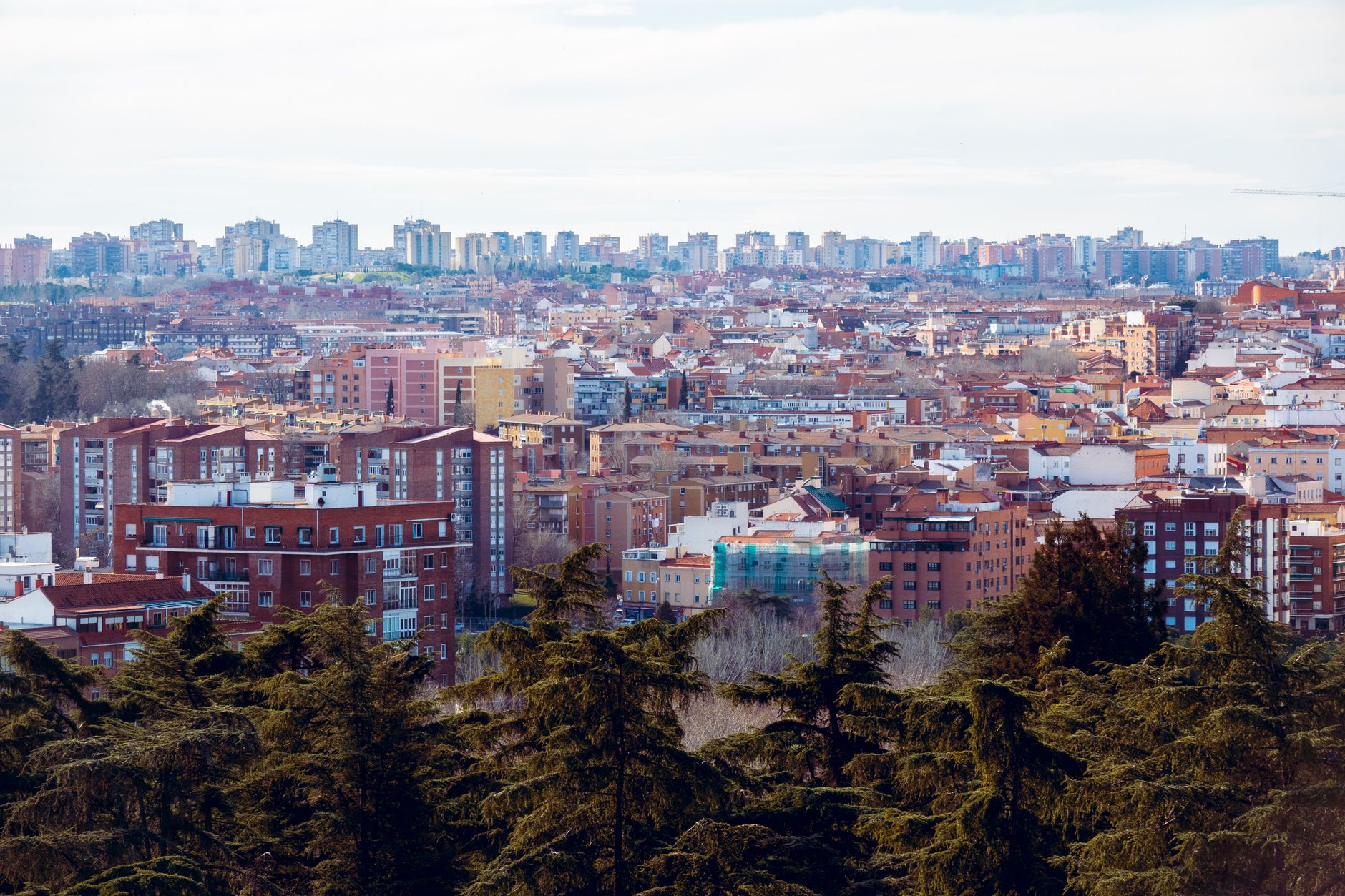
Madrid's city council has unveiled an ambitious transport modernisation programme that could reshape how half a million suburban commuters navigate the capital by 2028. The €45 million initiative, formally approved last week, aims to integrate the fragmented metro and bus networks while introducing unified ticketing across all zones—a move that residents in districts like Puente de Vallecas, San Blas-Canillejas, and Hortaleza say is long overdue.
The crux of the plan targets what commuters have long complained about: unpredictable journey times and the current two-tier pricing structure that penalises outer-zone residents. Under the new scheme, a monthly pass would cost €54 across all zones by 2027—down from the current €63.60 for zones 1-6—while single journey fares would drop to €1.50 regardless of distance, compared to the existing €2.15 to €3.00 gradient.
For Maria José García, a nurse working at the Gregorio Marañón hospital near Chamartín who lives in Villa de Vallecas, the changes are personal. "I spend €180 a month just getting to work," she explained during a recent community forum in the neighbourhood. "That's money I don't have for groceries." Similar stories echo across peripheral neighbourhoods, where transport costs routinely consume 8-12% of household budgets—nearly double the municipal average.
However, enthusiasm is tempered by scepticism. The city's track record on infrastructure projects is mixed; the promised expansion of Line 11 to Rivas-Vaciamadrid, announced in 2019, remains stalled. City officials acknowledge delays but attribute them to soil survey complications and ongoing contractor negotiations.
The new programme also allocates €12 million for bus fleet modernisation, with 200 additional electric buses entering service in outer districts by autumn 2026. Environmental groups welcome the carbon reduction targets—Madrid aims for 30% fewer transport emissions by 2030—though some worry about gentrification pressures as improved connectivity makes outer areas more attractive to developers.
Councillor Patricia Rodríguez, overseeing the transport portfolio, emphasised that public consultation remains ongoing. "This isn't just infrastructure; it's about equity," she stated during last week's city assembly session. "Working families in Vallecas, San Blas, and Vicálvaro deserve the same mobility access as those living near Plaza Mayor."
Community groups are monitoring progress closely. The Federación de Asociaciones de Vecinos de Madrid has scheduled town halls throughout July in six peripheral neighbourhoods to gather resident input before final implementation frameworks are set.
This article was compiled by AI from the sources linked above and screened before publishing. See our editorial standards.