Madrid is moving faster than its European peers in modernizing transport infrastructure, a comparison that reveals starkly different approaches to urban mobility challenges gripping major cities worldwide.
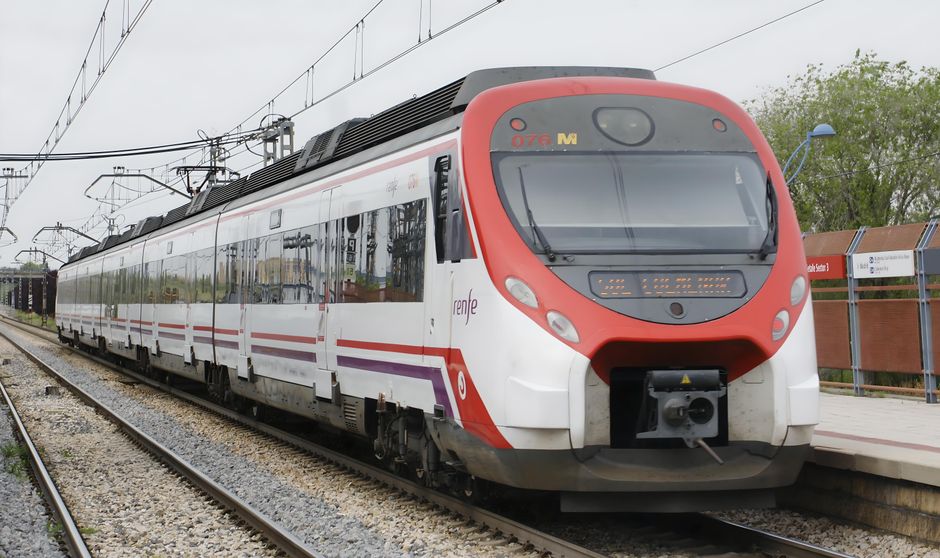
The Cercanías rail expansion linking southern suburbs through the Arganzuela corridor and into Vallecas has progressed on schedule, with completion targeted for 2028. Meanwhile, London's Elizabeth Line faced years of delays and cost overruns before opening in 2022, and Paris continues wrestling with persistent obstacles on its Grand Paris Express project, now projected to finish well beyond its original 2030 timeline.
"Madrid benefits from clearer governance structures and sustained funding commitments," said transport analyst Pablo Fernández during a recent infrastructure forum at the Círculo de Bellas Artes. The city's €4.7 billion investment in metro expansion since 2020 contrasts with fragmented decision-making in London, where Transport for London battled political divisions and budget cuts that repeatedly halted progress on planned extensions.
The completion of Metro Line 11's northward extension to Quentin Matsys station in 2024 exemplifies Madrid's execution capacity. Berlin's comparable U-Bahn projects frequently stalled due to soil engineering complications and competing municipal priorities—a problem Madrid's planners anticipated through extensive geological surveys in Chamartín and Tetuán.
Not everything runs smoothly. The Avenida de América station renovation, intended as a transport hub consolidating bus and rail services, remains incomplete two years behind schedule. Residents in the Salamanca district have endured sustained construction disruptions. Yet even with delays, Madrid's integrated approach—coordinating metro, Cercanías, and bus system upgrades—contrasts with Paris's piecemeal expansion across multiple transit operators with conflicting timelines.
Cost inflation presents another measuring stick. Madrid absorbed a 12% budget increase for the metro expansion, absorbing it within existing frameworks. Paris's Grand Paris Express saw costs balloon from €35 billion to €42 billion, forcing politically contentious reprioritization.
The city's commitment extends beyond central zones. Suburban stations in Torrejón de Ardoz and San Fernando de Henares received simultaneous modernization—an equity-focused strategy that German cities like Munich have praised but struggled implementing without fierce neighborhood opposition.
Madrid's infrastructure chief credited the success partly to sustained political consensus spanning municipal administrations. That continuity remains fragile; upcoming elections could alter funding priorities. Yet for now, the Spanish capital offers a case study in how clear governance, adequate investment, and long-term planning can outmaneuver the infrastructure paralysis affecting London, Paris, and Berlin—cities wrestling with deferred maintenance and fractured decision-making processes.
This article was compiled by AI from the sources linked above and screened before publishing. See our editorial standards.