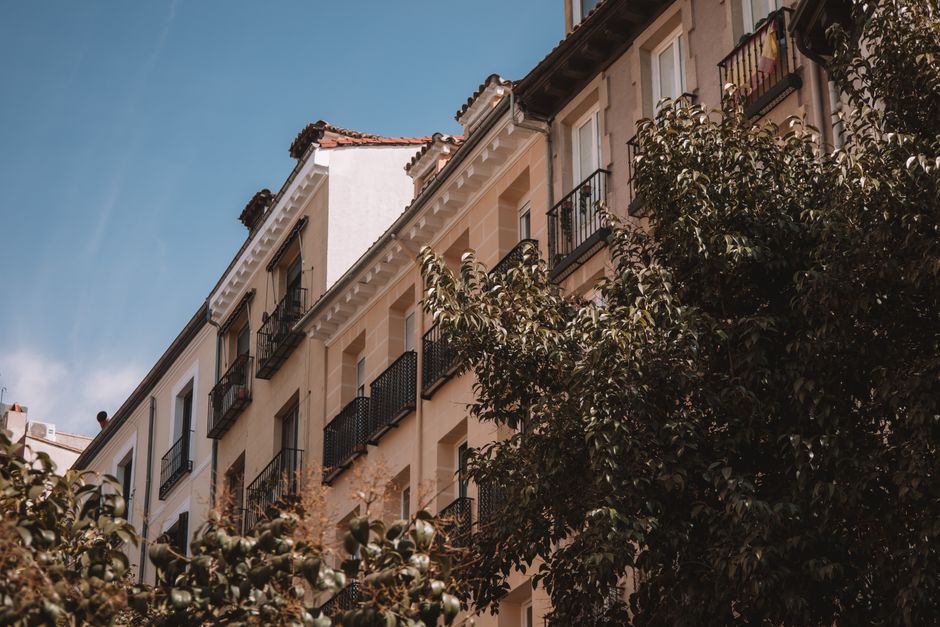
Madrid's housing emergency did not arrive overnight. Rather, it crystallised gradually across years of political gridlock, speculative investment, and structural economic shifts that left the city's policymakers perpetually one step behind the crisis they were meant to prevent.
The inflection point came around 2015, when property investors began eyeing Madrid's historic neighbourhoods as alternative assets. Average rental prices in Malasaña, once affordable for young professionals and artists, surged from €650 monthly in 2012 to over €1,200 by 2023. Similar trajectories unfolded in Chueca, Lavapiés, and the Salamanca district, where foreign investment firms and corporate landlords consolidated control of residential stock. Between 2016 and 2024, nearly 30 per cent of Madrid's rental market shifted to institutional ownership—a structural change that removed housing from individual negotiations and into algorithmic pricing models.
Municipal authorities initially dismissed warnings as cyclical market corrections. The regional government's laissez-faire approach, dominant from 2015 onwards, prioritised developer incentives over tenant protections. Proposed rent-control ordinances languished in committee. Land zoning near Metro stations—potentially valuable for mid-rise affordable housing—remained trapped in bureaucratic approval processes. Meanwhile, property values in central districts doubled, pricing ordinary Madrileños into outer suburbs like Fuenlabrada and Getafe, extending commute times and straining transport infrastructure.
The turning point came in late 2023, when Madrid's municipal government finally published its first comprehensive housing strategy in over a decade. It acknowledged facts long obvious to residents: median rent-to-income ratios had climbed to unsustainable levels, vacancy rates in prestige areas coexisted with acute shortage elsewhere, and the city's ability to attract and retain working families was visibly deteriorating.
Subsequent policy responses—including a controversial proposal to tax empty properties and expedited licensing for social housing developments near Chamartín station—reflected an administration scrambling to address damage that earlier interventions might have prevented. Real estate associations mobilised fiercely against new regulations. Competing visions for the city's future pitted investor interests against resident stability.
Today, in mid-2026, Madrid confronts the accumulated weight of those deferred decisions. The housing policy debates now consuming city council sessions, community assemblies, and neighbourhood associations across the capital represent not sudden crisis but the inevitable reckoning with years of inadequate foresight—a reckoning that might have been gentler had warnings been heeded sooner.
This article was compiled by AI from the sources linked above and screened before publishing. See our editorial standards.