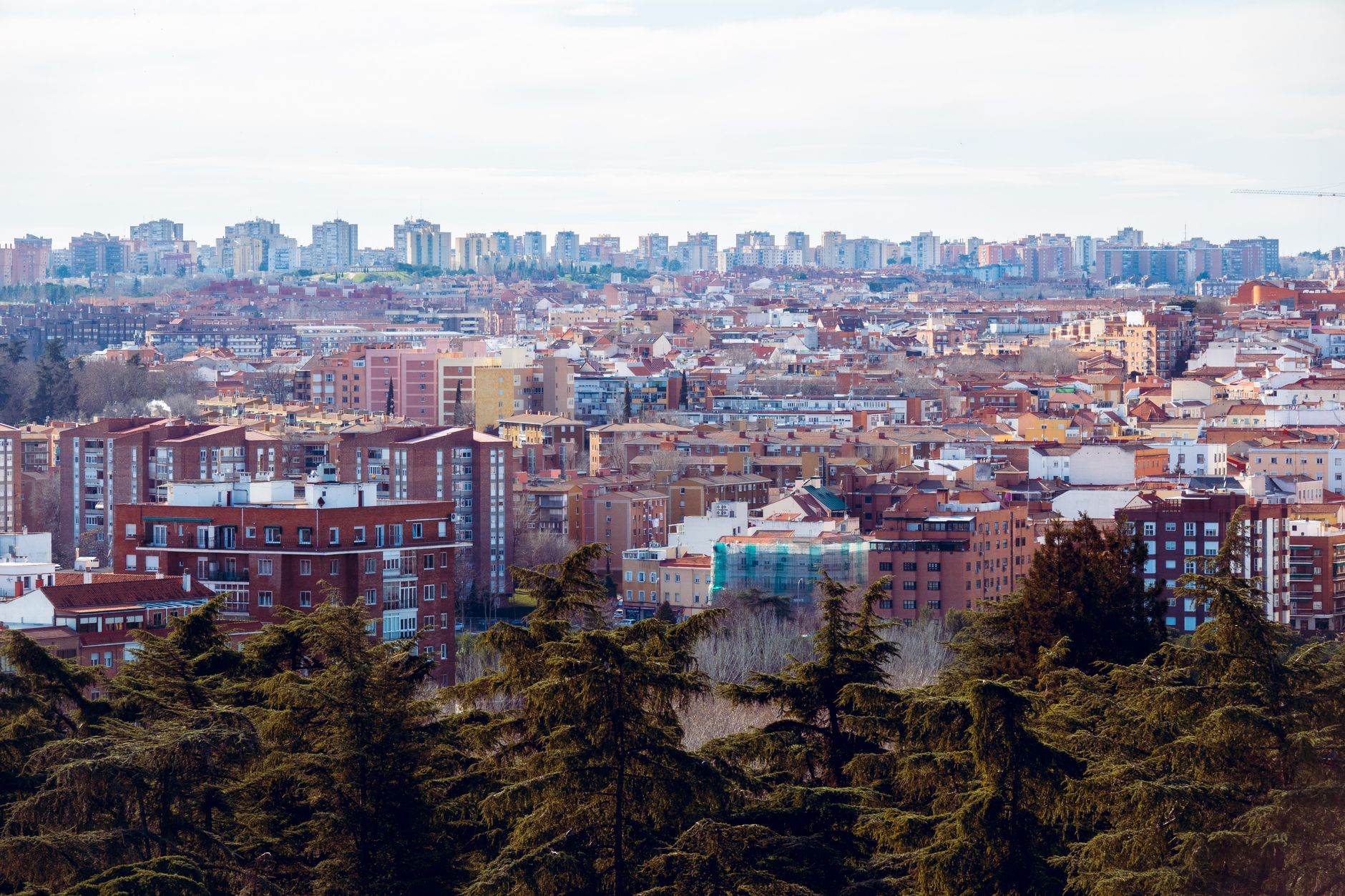
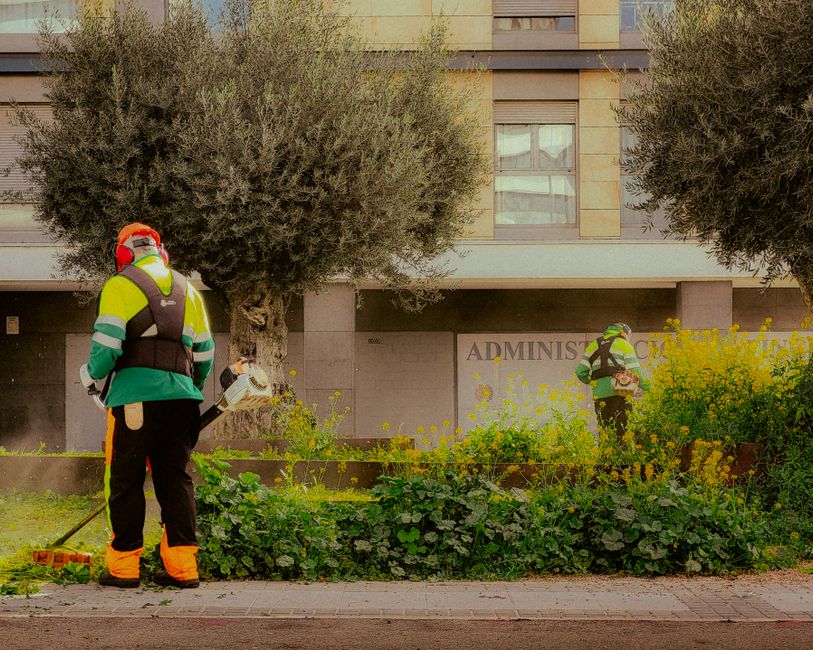
Madrid's migration landscape is shifting rapidly, and the voices shaping policy are increasingly urgent about what comes next. With arrivals from Latin America, North Africa, and Sub-Saharan Africa reaching record levels this year, city administrators, integration experts, and community leaders are openly debating the resources, political will, and social cohesion required to manage demographic change in Spain's largest metropolis.
At a June forum convened by the Madrid City Council's Directorate of Social Services, officials acknowledged strain on housing and employment services, particularly in traditionally immigrant-dense neighbourhoods like Lavapiés and Vallecas. Administrators noted that affordable rental stock—averaging €650 monthly in central districts—remains insufficient for newcomers earning minimum wage.
Dr. María Rodríguez, researcher at the Institute for Migration Studies at Universidad Autónoma de Madrid, presented data showing that first-generation migrants comprise nearly 18% of the capital's population, up from 12% in 2020. "What we're seeing is not a crisis, but a structural shift requiring long-term planning," she stated in comments to local media. "Madrid has the infrastructure and economy to absorb this, but only with intentional policy."
The Spanish Red Cross, which operates multiple integration centres throughout the city including facilities near Plaza Mayor, has called for expanded language training programmes. Officials there report demand for Spanish classes exceeds capacity by approximately 40%, creating bottlenecks in employment pathways for non-Hispanophone arrivals.
Municipal councillors representing district governments have pushed back against framing migration as purely a resource issue. At the Retiro district council meeting earlier this month, representatives emphasized that Madrid's historical role as a cosmopolitan hub depends on managing diversity thoughtfully. "This city has always absorbed people from elsewhere," one official noted, though budget constraints complicate implementation of proposed integration initiatives.
Community organizations working in Usera—home to significant Venezuelan and Colombian populations—report success with micro-entrepreneurship programmes but stress that informal employment remains the reality for many. Advocacy groups have called for clearer pathways to formal work authorization, citing both humanitarian and economic rationales.
The tone among officials and experts is notably less alarmist than in some neighbouring European capitals, yet unmistakably concerned about maintaining public support for integration policies. As one city administrator summarized the consensus: "We need better data, more resources, and honest conversation about what integration actually requires. Madrid's future depends on getting this right."
This article was compiled by AI from the sources linked above and screened before publishing. See our editorial standards.