Madrid's Green Future Hinges on Three Critical Decisions This Summer
City planners face pivotal choices on urban forests, Metro expansion, and waste management that will shape the capital's sustainability for the next decade.
City planners face pivotal choices on urban forests, Metro expansion, and waste management that will shape the capital's sustainability for the next decade.
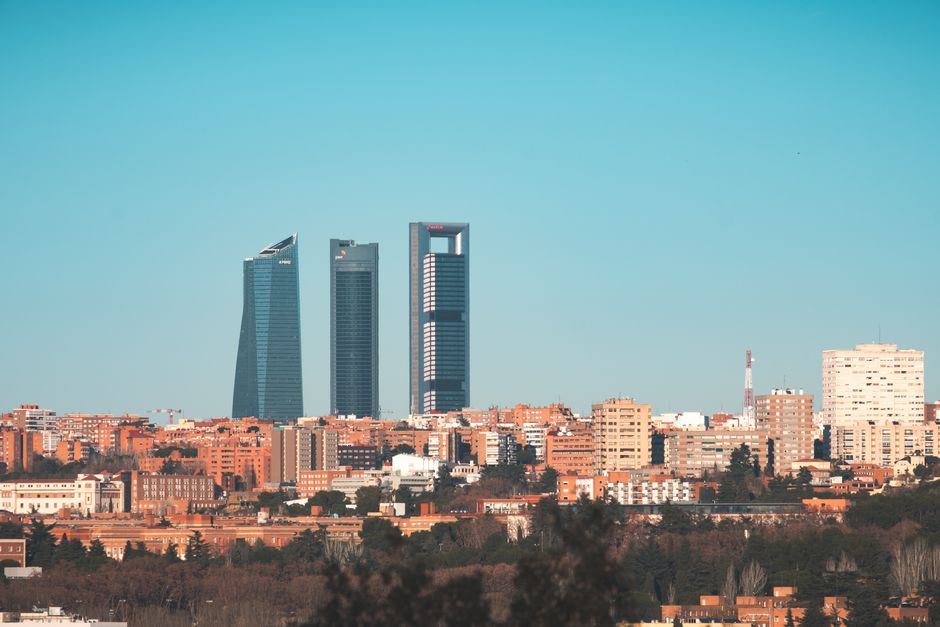
Madrid stands at an environmental crossroads. With summer temperatures regularly exceeding 40°C and air quality warnings becoming routine, the city's leadership must make three defining decisions in the coming weeks that will determine whether recent sustainability gains accelerate or stall.
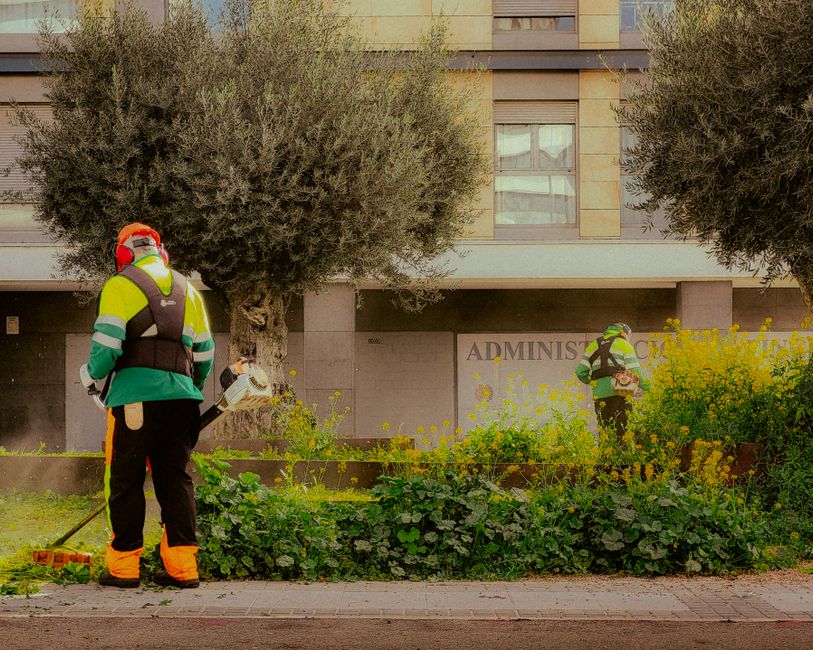
The most visible challenge concerns green infrastructure. The city's plan to plant 500,000 new trees by 2030—announced alongside the rehabilitation of Casa de Campo and the expansion of Madrid Río—now faces a critical implementation question: which neighbourhoods receive priority? Working-class districts in Vallecas and Puente de Vallecas currently have tree canopy coverage below 8%, compared to 22% in wealthier Salamanca. The municipal environment department must decide whether to embrace equity-focused planting, risking political backlash from affluent areas, or pursue a more gradual, city-wide approach that could extend timelines indefinitely.
Public transport represents the second battleground. The regional government's €2.1 billion Metro extension proposal would connect outer suburbs to the central network, potentially reducing car journeys by 15%. However, construction would disrupt established commercial corridors, particularly along Calle de Alcalá and around Atocha station. City officials must choose between environmental benefits and economic disruption during a period when small businesses are already struggling with rising rents.
The third decision concerns waste processing. Madrid's only major waste-to-energy facility, located in Rivas-Vaciamadrid, is operating at 95% capacity. Expanding it means importing more waste from neighbouring provinces—economically attractive but environmentally questionable. The alternative: investing in decentralised composting facilities and zero-waste infrastructure across districts, a costlier approach requiring sustained political commitment beyond electoral cycles.
These aren't abstract policy questions. They affect daily life: whether citizens in peripheral neighbourhoods can walk in shade during lethal heat waves; whether commuters spend two hours daily in traffic or use modern transit; whether plastic packaging ends up in Madrid's neighbourhoods or distant landfills.
The timing is crucial. Spain's updated Climate Change and Energy Transition Law requires municipalities to report progress by September. City Hall has indicated decisions will be announced by mid-July. Community groups, business associations, and environmental NGOs are already mobilising. The summer window is narrow, but the stakes for Madrid's habitability are enormous.
This article was compiled by AI from the sources linked above and screened before publishing. See our editorial standards.
How does this story make you feel?
Spread the word
About this article
Published by The Daily Madrid
Daily brief
Free, in your inbox before 7am. Weekdays.
More in News