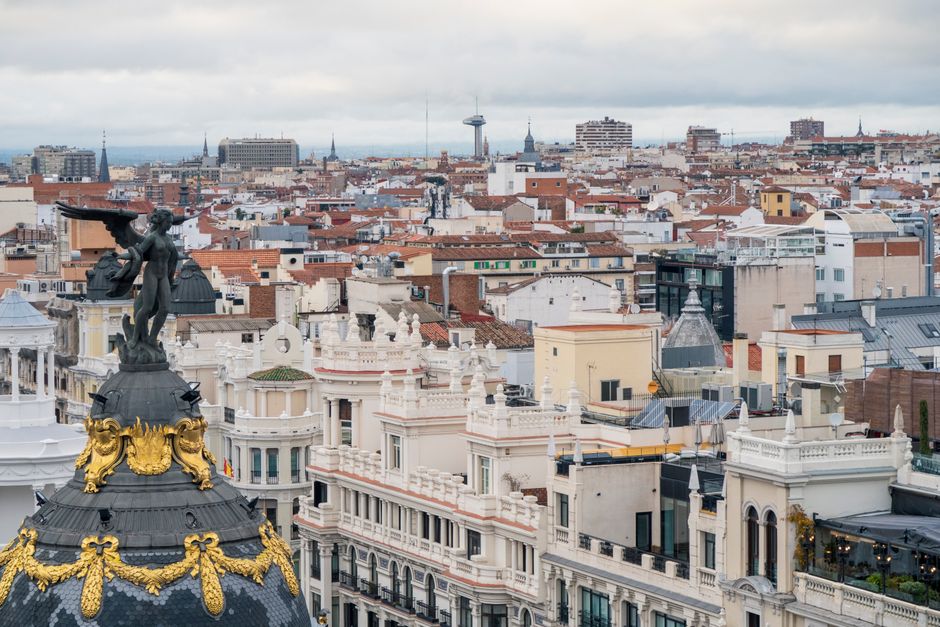
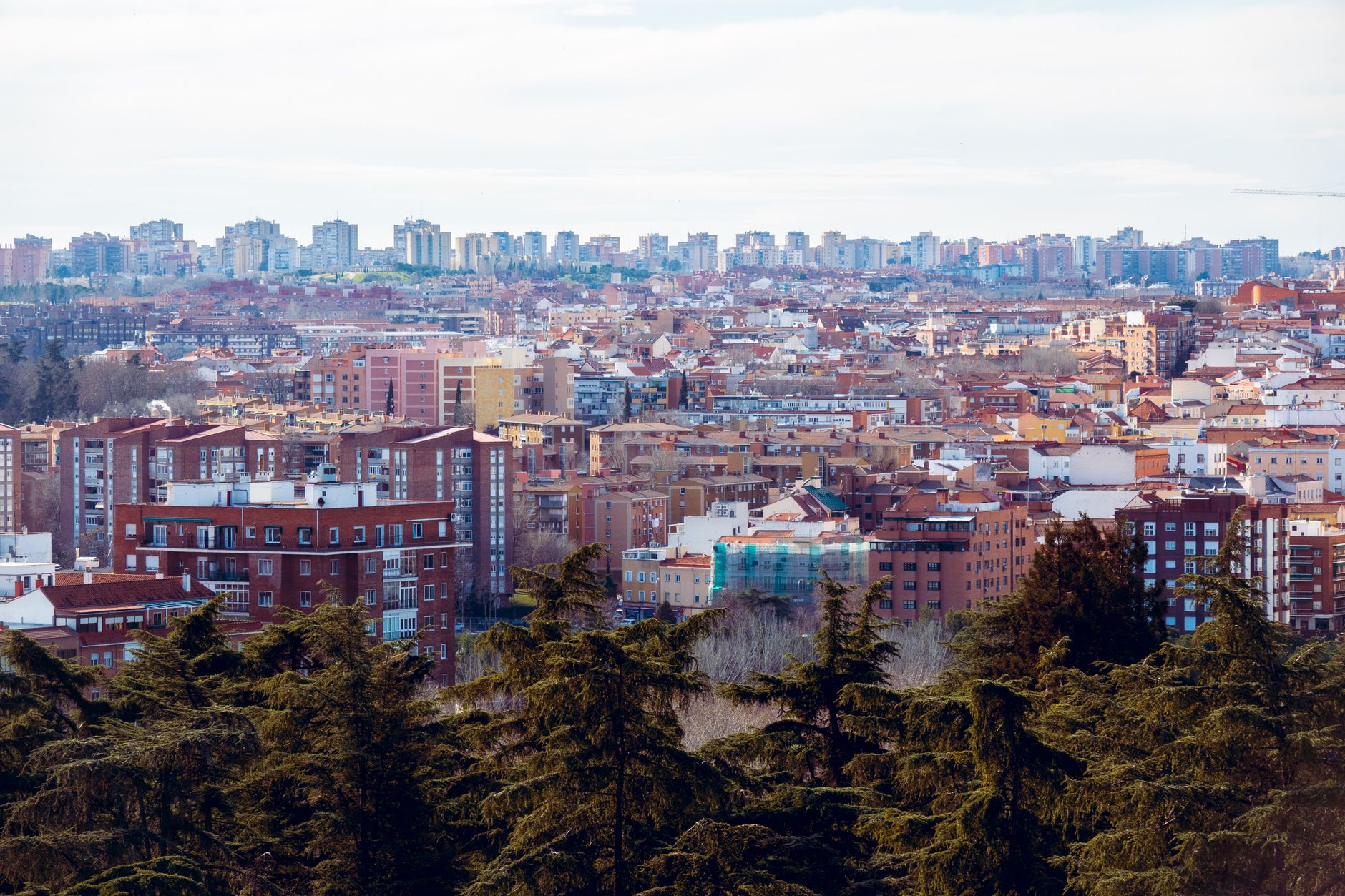
Madrid's handling of migration and multicultural integration has quietly become a study in pragmatism, standing in sharp contrast to the crisis management unfolding across other major European cities. With nearly 400,000 foreign-born residents—roughly 18% of the city's 3.3 million population—the Spanish capital has developed a dispersed model that immigration experts increasingly point to as a potential blueprint for urban centres grappling with similar pressures.
Unlike Berlin's overcrowded reception centres or Paris's sprawling suburban encampments, Madrid has distributed new arrivals across multiple neighborhoods. The Usera district, historically a working-class area south of the city centre, now hosts thriving communities from Latin America, West Africa, and Asia, with rental prices averaging €850 monthly—substantially lower than the €1,200 average across central districts. This strategy, coordinated through the city's immigration office on Calle Princesa, has reduced the concentration of services and prevented the social segregation that has plagued other capitals.
The city's employment integration programme, run partly through the municipal employment centre in Fuencarral-El Pardo, has placed over 3,500 migrants into formal work annually since 2024. Barcelona and Paris report comparable figures, yet Madrid achieves this with fewer reported labour disputes. The city's construction and hospitality sectors—notoriously reliant on undocumented workers in other European cities—increasingly route hiring through official channels, reducing exploitation risks.
Education integration stands as another differentiator. Madrid's 847 public schools include language support programmes that avoid the parallel-schooling problems seen in German suburbs. The Vallecas neighbourhood, home to one of Spain's largest Venezuelan diaspora communities, now boasts three bilingual secondary schools. Meanwhile, the city's tourism and cultural sectors actively recruit multilingual staff, turning language skills into employment advantages rather than barriers.
Challenges remain substantial. Irregular migration through the southern borders continues, housing pressure in accessible neighbourhoods grows, and far-right political parties have capitalised on cultural anxieties. Yet compared to Frankfurt's criminalisation tactics or London's dispersal policy—which has spread vulnerable migrants across provincial towns—Madrid's centrist approach maintains social cohesion within urban centres.
Organisations like Fundación Acoge, operating community centres across the city, credit the model's success partly to Spanish labour laws permitting work permits for asylum applicants. This contrasts sharply with restrictive policies in other EU nations. As Cape Verde's unlikely World Cup success has brought renewed attention to diaspora communities globally, Madrid's ability to absorb and integrate newcomers offers a quietly compelling counter-narrative to Europe's migration anxieties.
This article was compiled by AI from the sources linked above and screened before publishing. See our editorial standards.