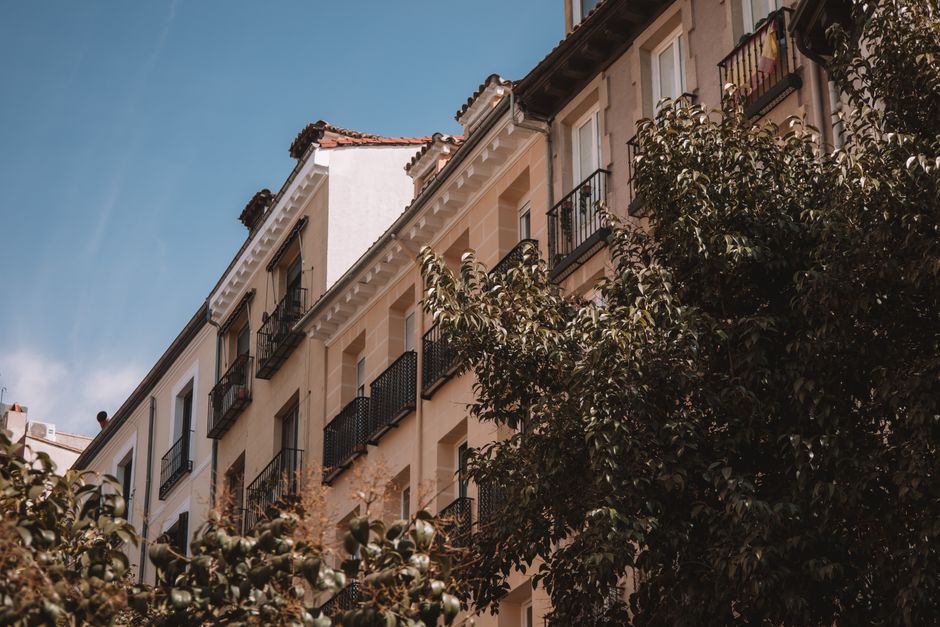
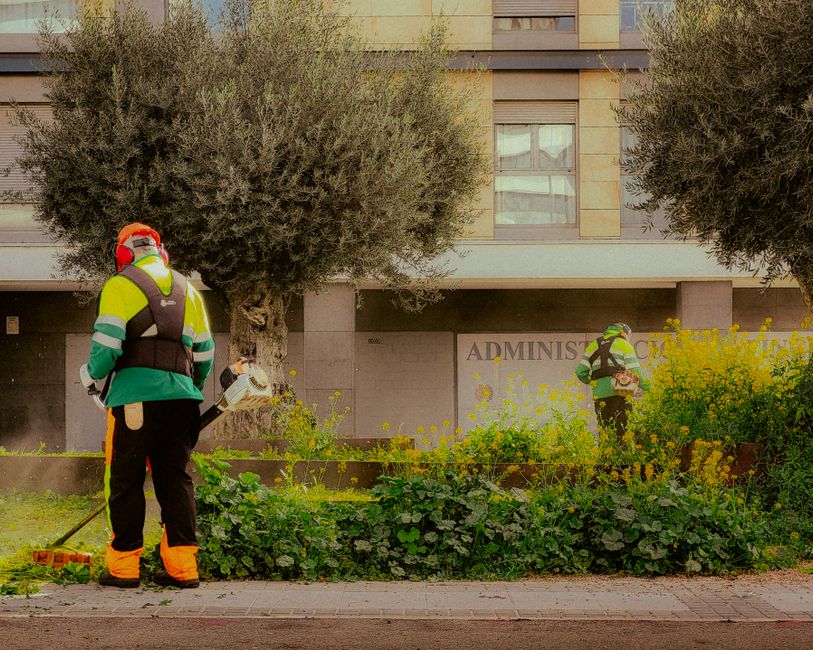
Madrid's city government has intensified efforts to balance neighbourhood revitalisation with affordability concerns, as soaring property values in central districts threaten long-established communities. Officials from the Area of Urban Ecology and Mobility have signalled a renewed commitment to protecting local character while upgrading deteriorating infrastructure—though experts warn the challenge is far from resolved.
The Lavapiés neighbourhood, traditionally home to immigrant and working-class families, exemplifies the tension. Average rental prices in the district have climbed approximately 40% over five years, according to local property data, forcing many long-term residents to relocate further south towards Vallecas and Usera. City planners emphasise that upcoming interventions along Calle Argumosa and surrounding streets will prioritise community input rather than developer-led transformation.
"Neighbourhoods like these are the city's cultural backbone," explained Juan Carlos Rodríguez, director of Madrid's Heritage and Community Spaces Foundation, in recent remarks to local media. Officials highlighted €2.3 million in municipal funding directed toward improving water systems, façade restoration, and public plazas while maintaining rent controls for existing residents—a model being evaluated for expansion into Malasaña, where similar pressures have mounted.
Chueca's transformation offers instructive precedent. Once a hub for LGBTQ+ communities and alternative culture, the neighbourhood has undergone substantial demographic shift. Urban sociologist Carmen Fernández from the Universidad Autónoma de Madrid noted that while commercial vitality increased, long-established social networks fractured. She advocates stronger tenant protections and community ownership models.
Housing advocates remain sceptical. The Plataforma de Afectados por la Hipoteca (PAH) Madrid chapter has called for municipal acquisition of distressed properties to expand social housing stock. Current estimates suggest only 15% of Madrid's housing qualifies as "social" or rent-controlled—below the EU average of 19%.
City officials have proposed enhanced transparency in zoning decisions and mandatory community consultation periods for any development above 500 square metres. The Junta Municipal de Distrito (local administrative board) for Centro is piloting quarterly neighbourhood assemblies to gather resident perspectives before approving urban projects.
These initiatives reflect growing recognition that Madrid's identity depends on its diverse, mixed-income neighbourhoods. Yet experts caution that municipal measures alone cannot counter market forces. The coming months will test whether administrative action can preserve the essence of districts that defined the city's character for generations.
This article was compiled by AI from the sources linked above and screened before publishing. See our editorial standards.