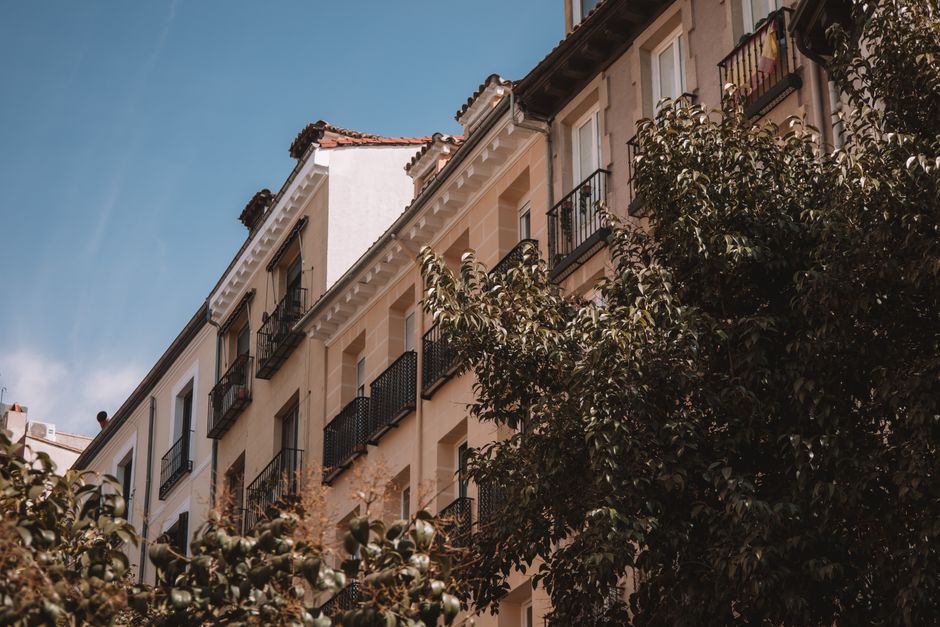
The narrow streets of Chamberí, long a symbol of Madrid's bohemian heritage, are at an inflection point. Over the past five years, average property prices in the neighbourhood have climbed from €5,200 per square metre to nearly €7,800—a 50 per cent surge that has forced long-term residents to reconsider their futures and left city planners grappling with fundamental questions about who gets to live in central Madrid.
This summer, the Ayuntamiento faces a critical decision: whether to expand rent-control measures similar to those adopted in Barcelona, or to trust market forces to balance supply and demand. The stakes could not be higher for neighbourhoods from Malasaña to Chueca, where family-run businesses and artist collectives have begun closing shop as landlords opt for lucrative short-term tourist rentals.
The pressure is visible on Calle Fuencarral, where three independent bookshops have shuttered in eighteen months, replaced by souvenir vendors and phone-repair kiosks. Community groups like the Asociación de Vecinos de Chamberí have been vocal: they want the city to mandate that 30 per cent of new residential developments be designated as affordable housing—a threshold currently sitting at just 15 per cent.
Meanwhile, the district's culture sector faces parallel pressures. The closure of El Sótano, a legendary live-music venue that operated for forty years near Plaza de Olavide, crystallised anxieties about Madrid's shifting identity. City officials acknowledge the problem but remain divided on solutions. Some advocate aggressively limiting short-term rental licences; others fear driving investment away entirely.
Junta de Distrito meetings in recent weeks have become heated arenas where residents, developers, and city councillors debate zoning reforms, public transport investment, and green space preservation. A proposal to convert underused office blocks on Calle Bravo Murillo into mixed-use residential complexes has split opinion along predictable lines.
The decisions made in the next twelve months will shape whether Madrid's central neighbourhoods remain cosmopolitan, socially mixed communities—as they have defined themselves for generations—or gradually transform into enclaves for the affluent. City Hall has promised a neighbourhood-by-neighbourhood impact assessment by September. Meanwhile, residents wait, and rents climb.
This article was compiled by AI from the sources linked above and screened before publishing. See our editorial standards.