Madrid's city hall faces a defining moment. With budget negotiations set to begin in September and municipal elections just eighteen months away, the capital's political leadership must navigate three interconnected challenges that will determine whether the city remains affordable for ordinary madrileños or continues its trajectory toward becoming a playground for foreign investors and the wealthy.
The most pressing issue remains housing. Rental prices in central neighbourhoods like Salamanca and Retiro have climbed above €1,800 per month for a modest two-bedroom flat—a 34 per cent increase since 2021. The municipal housing authority's plan to convert 200 vacant properties into social housing across Tetuán, Carabanchel and San Blas expires this summer. City officials must now decide whether to expand the programme significantly or allow it to lapse, effectively ceding the rental market to private developers.
Equally urgent is the future of Madrid's Metro. The proposed Line 12 extension toward Villaverde has stalled amid disagreements over funding between municipal and regional authorities. Completion would reduce commute times for 180,000 residents in the sprawling southern districts, but requires €480 million in coordinated investment. Both sides now face a September deadline to commit to the project or abandon it indefinitely—a decision that will have cascading effects on employment accessibility and social mobility across the metropolitan area.
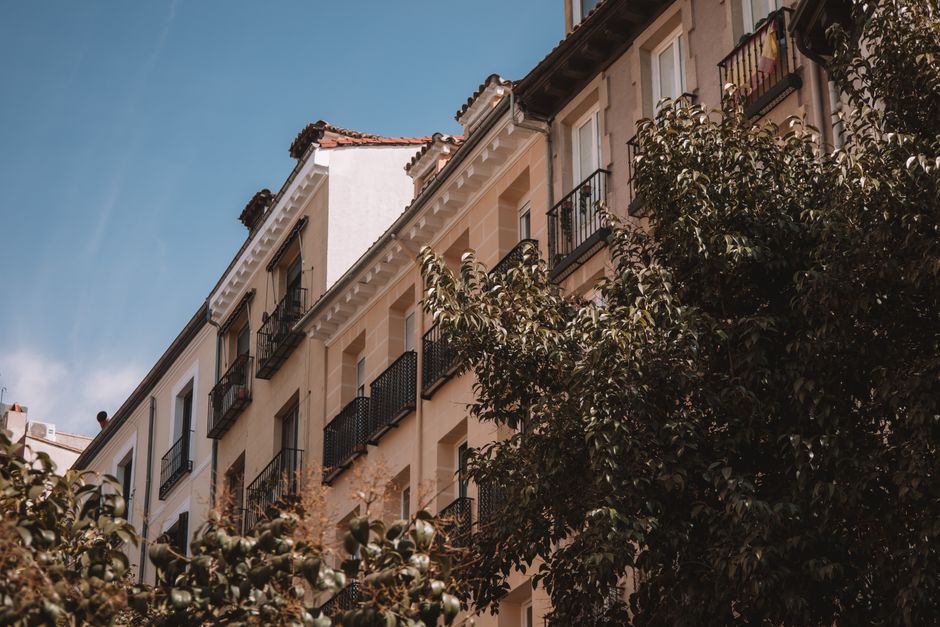
The third challenge concerns Chamberí's architectural heritage. Several blocks of early 20th-century buildings between Fuencarral and Santa Engracia streets are zoned for potential redevelopment, a process that could generate significant municipal revenue but would erase some of Madrid's most distinctive urban fabric. The neighbourhood's residents association, along with heritage groups, has demanded a transparent consultation process before any decisions are finalised.
City council insiders suggest that budget constraints mean difficult trade-offs are inevitable. Investing heavily in metro infrastructure may limit funding for new social housing. Protecting Chamberí's buildings could reduce revenue otherwise channelled toward public services. The regional government's position remains opaque, though recent statements suggest preference for private-sector-led housing solutions rather than expanded municipal schemes.
The decisions made over the next four months will establish whether Madrid's next chapter prioritises equity and public infrastructure, or whether growth and profit margins become the dominant metrics. For a city of 3.3 million people already grappling with inequality and transport congestion, the stakes could scarcely be higher.
This article was compiled by AI from the sources linked above and screened before publishing. See our editorial standards.