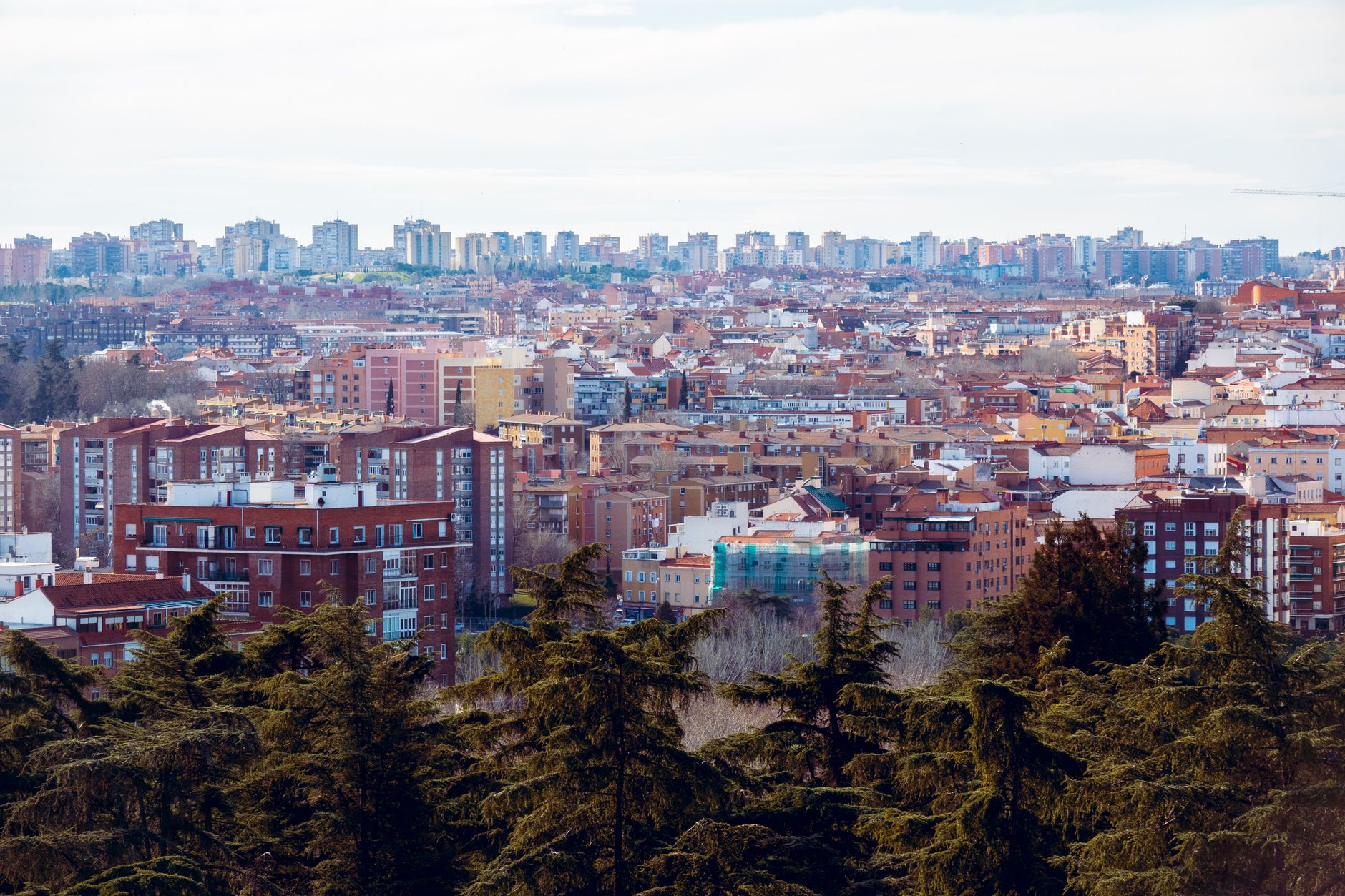
Walk through Malasaña on any summer morning and the air quality monitors tell a story Madrid's residents know too well: particulate matter hovering at concerning levels, especially during rush hour when traffic clogs Calle San Vicente Ferrer. But this year, a cascade of sustainability initiatives has begun transforming how the capital's 3.2 million inhabitants navigate their city—with tangible impacts on health, housing costs, and community cohesion.
The expansion of the zero-emissions zone, now covering 95 square kilometres of central Madrid, has forced a reckoning for residents and businesses alike. A family living in Chamberi paying €1,200 monthly in rent suddenly faces higher delivery costs as logistics companies adapt to restrictions on diesel vehicles. Yet air quality in the neighbourhood has improved by 12 per cent since January, according to municipal data—a shift parents pushing strollers along Calle Jorge Juan are noticing immediately.
More dramatically, the retrofitting programme in working-class Vallecas and San Blas-Canillejas is reshaping the housing landscape. Subsidies covering up to 80 per cent of energy-efficiency improvements mean residents can upgrade insulation, install solar panels, or replace outdated heating systems. A pensioner in San Blas, typically spending €140 monthly on heating, could halve that bill—a transformation for families already stretched by Madrid's rising cost of living.
Community gardens have exploded across the city. The Huerta de Madrid initiative now manages over 200 plots from Usera to Hortaleza, with waiting lists exceeding 500 residents. Beyond vegetables, these spaces function as neighbourhood anchors where isolated elderly residents connect with younger families, immigrant communities grow traditional crops, and children encounter nature beyond screens.
The Metropolitan Bicycle Network's 700-kilometre expansion—now reaching into previously underserved areas around Getafe and Móstoles—has democratised transport. A teenager in Leganés can now cycle to university, saving €50 monthly on public transport. Simultaneously, local businesses along these routes report increased foot traffic and sales.
Yet challenges persist. The city's goal of carbon neutrality by 2040 requires €50 billion in investment, and gentrification fears loom as neighbourhoods become more attractive to wealthier residents. Implementation remains uneven across districts.
Still, for most madrileños, the mathematics is compelling: cleaner air, lower bills, stronger communities. Sustainability isn't abstract policy here—it's the difference between affording winter heat and choosing between warmth and rent, between inheriting a liveable city or surrendering to congestion and pollution.
This article was compiled by AI from the sources linked above and screened before publishing. See our editorial standards.