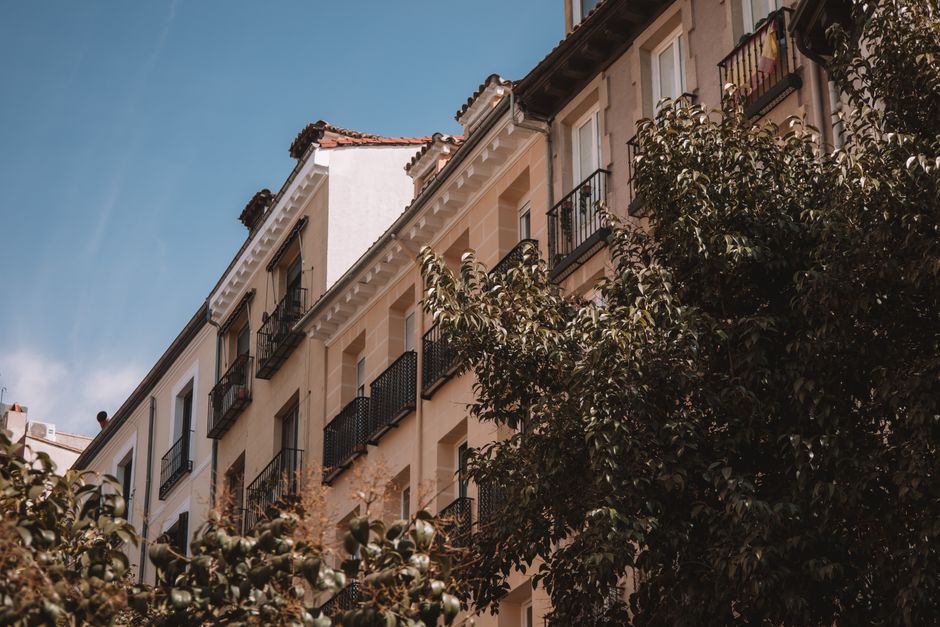
Madrid stands at a pivotal juncture in its urban evolution. With average rental prices in Chamberí and Salamanca exceeding €1,200 per month—nearly double the figure from a decade ago—the regional government and city council must now navigate three interconnected decisions that will determine whether ordinary madrileños can afford to live here by 2030.
The first decision concerns zoning restrictions in inner-ring neighbourhoods. The proposed revision of the General Urban Plan, due for City Council approval within the next eight months, will determine whether single-family homes in areas like Retiro and Arganzuela can be subdivided into smaller units, and whether commercial spaces along Calle Mayor and Gran Vía can be converted into residential accommodation. Planning officials acknowledge this remains fiercely contested; business associations worry about losing retail vibrancy, while housing advocates argue densification is essential.
Second is the future of tourist housing. Madrid's 10,000-plus short-term rental licences have fundamentally altered neighbourhood character, particularly in Centro and Malasaña. The city must decide whether to cap new tourist apartments—as Barcelona did—or implement stricter conversion taxes that might incentivize long-term rentals. Current estimates suggest roughly 40,000 apartments could shift from tourist to residential use if policies tighten significantly.
Third, and most urgent, is the affordable housing requirement for new developments. City officials are drafting new building codes that would mandate 25-30% of units in major projects serve households earning under 60% of median income. This directly impacts ongoing construction at the Chamartín railway site, where developer negotiations continue, and planned projects near Getafe's industrial belt. The financial viability of these mandates remains contested between municipality planners and construction firms.
Beyond these headline decisions lie secondary questions: Should the city expand metro infrastructure to unlock peripheral neighbourhoods like Villaverde and Vicálvaro? Will the regional government release public land parcels for cooperative housing models? Can existing rent-control measures survive legal challenges expected from property owners this autumn?
Housing activists have organized demonstrations at Plaza Mayor throughout June, pressing for urgency. Meanwhile, real estate lobbies have submitted detailed counterproposals to the city administration. Town halls in outlying districts express concern that affordable mandates will concentrate poverty rather than distribute opportunity.
The window for these decisions is genuinely narrow. Construction timelines, legal processes, and demographic pressure all suggest that choices made in the next six months will echo through Madrid's neighbourhoods for two decades. How the city balances growth, affordability, and livability remains genuinely open—and the stakes have never been higher.
This article was compiled by AI from the sources linked above and screened before publishing. See our editorial standards.