Madrid's green revolution accelerates: this week's sustainability breakthroughs reshape the capital
From Retiro Park expansion plans to a landmark cycling infrastructure deal, the city takes bold steps toward its 2030 carbon neutrality goals.
From Retiro Park expansion plans to a landmark cycling infrastructure deal, the city takes bold steps toward its 2030 carbon neutrality goals.
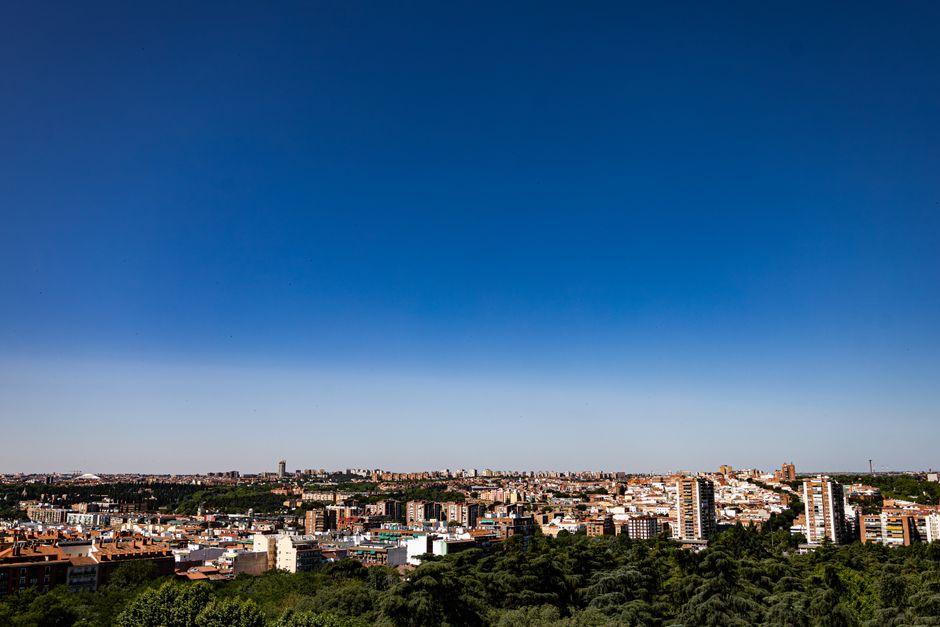
Madrid has marked a pivotal week in its environmental agenda, with three major sustainability initiatives announced that signal the city's deepening commitment to urban transformation. The announcements come as the capital pushes toward its ambitious target of becoming carbon-neutral by 2030—a goal that requires sustained investment and structural change across transport, energy, and green space.
On Tuesday, the municipal government unveiled an expanded vision for Retiro Park, committing €12 million to restore 45 hectares of degraded woodland and create new wetland corridors. The project, managed in partnership with environmental organisation SEO/BirdLife, aims to increase biodiversity in the historic park while improving air quality across the surrounding neighbourhoods of Jerónimos and Iberia. Officials estimate the restoration will sequester an additional 8,000 tonnes of carbon dioxide annually by 2030.
More immediately impactful, Madrid's transport authority announced Friday that the city has awarded a €340 million contract to expand the cycling network by 187 kilometres over the next four years. The investment prioritises connections between Chamberí, Salamanca, and outlying districts, with particular emphasis on safe routes linking residential areas to major employment hubs near the Paseo de la Castellana. Current cycling usage stands at 2.3 per cent of daily journeys; the authority projects this could reach 8 per cent by 2029 if infrastructure barriers are removed.
The week's third development focused on renewable energy. A consortium of local cooperatives and municipal housing authorities announced a joint solar panel installation programme targeting 600 residential buildings across working-class neighbourhoods including San Blas, Puente de Vallecas, and Villa de Vallecas. The initiative offers subsidised rooftop installations, with participating households paying an estimated €45 monthly to offset energy costs—a 30 per cent reduction from current bills.
Environmental groups have cautiously welcomed the announcements while emphasising the scale of remaining challenges. Madrid's transport sector still accounts for 31 per cent of the city's emissions, and building energy efficiency remains far below European standards. The cycling expansion and renewable energy push represent necessary but insufficient steps, analysts argue, without complementary restrictions on private vehicle use in central districts.
City officials indicated that further announcements on emissions reduction targets and public transport improvements will follow before the summer recess. The initiatives reflect Madrid's positioning as Spain's environmental leader, a status increasingly important for municipal competitiveness and attracting investment in Europe's growing green economy.
This article was compiled by AI from the sources linked above and screened before publishing. See our editorial standards.
How does this story make you feel?
Spread the word
About this article
Published by The Daily Madrid
Daily brief
Free, in your inbox before 7am. Weekdays.
More in News