Madrid's €3.2 Billion Metro Expansion: How New Lines Will Reshape Daily Commutes Across the City
As construction accelerates on extensions to lines 7 and 10, residents in underserved neighbourhoods finally see relief from chronic transport gridlock.
As construction accelerates on extensions to lines 7 and 10, residents in underserved neighbourhoods finally see relief from chronic transport gridlock.
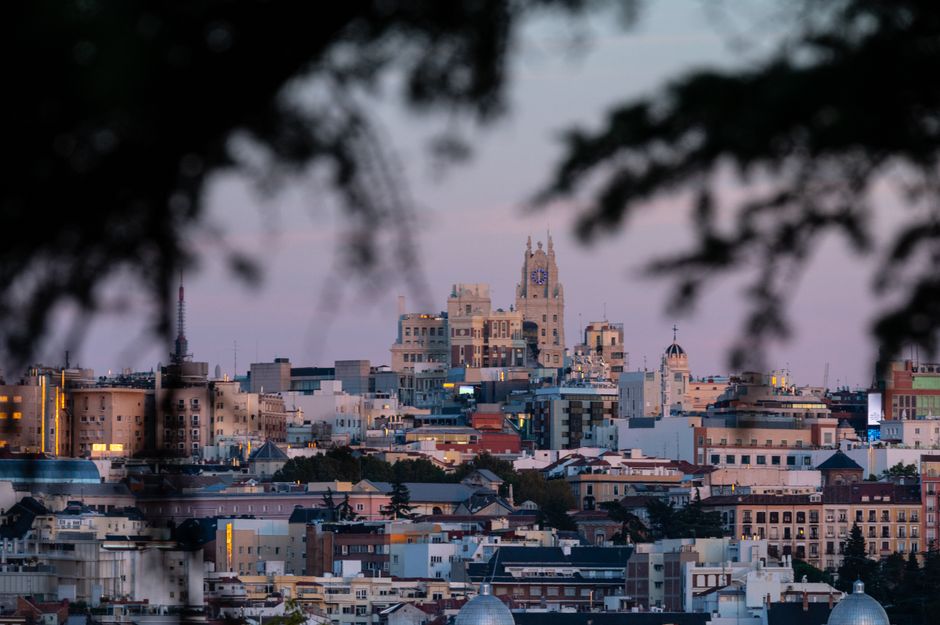
For María García, a nurse at Hospital Universitario La Paz, the daily commute from her home in Sanchinarro to work has become a gruelling 75-minute ordeal involving two buses and a metro change. Come 2028, that journey will collapse to just 32 minutes via a single direct line. "I'll get my mornings back," she says, reflecting the sentiment of hundreds of thousands of Madrileños whose lives hang in the balance of infrastructure decisions made in municipal offices.
The Madrid Metro's ambitious expansion programme—now entering its third year—represents one of Spain's largest metropolitan transport investments since the 2008 financial crisis. The €3.2 billion project focuses on extending Line 7 northward through the burgeoning districts of Sanchinarro, Tres Olivos, and Hortaleza, while simultaneously pushing Line 10 eastward toward the industrial zones of San Fernando de Henares and Torrejón de Ardoz.
The rationale is straightforward: these areas, home to roughly 340,000 residents and countless businesses, currently lack adequate rapid transit. Average commute times in northern suburbs exceed 65 minutes—nearly double the city average. Property valuations have stagnated accordingly. Data from the Madrid Chamber of Commerce indicates that neighbourhoods within 500 metres of new metro stations typically see property values rise 18-24% within five years of opening.
But impact extends far beyond real estate. The Hortaleza extension will directly serve the burgeoning technology corridor developing around the Parque Tecnológico de la Comunidad de Madrid, where companies like Indra and Everis employ over 12,000 workers. Reduced commute times translate directly to recruitment advantages and employee retention—critical as Madrid competes with Barcelona and Lisbon for tech talent.
Local environmental groups emphasise another dimension. The Plataforma en Defensa del Transporte Público estimates that each completed metro line reduces car traffic by 8-12% in its service area, cutting both congestion and emissions. With Madrid regularly breaching EU air quality standards, these infrastructure gains carry public health weight.
Construction disruptions remain painful. Paseo de la Castellana and Avenida de América—already congested arteries—face temporary closures through 2027. Local businesses along affected routes report 15-30% customer declines. Neighbourhood associations have negotiated compensation schemes, though enforcement remains patchy.
The stakes are simple: Madrid's growth trajectory depends on moving people efficiently. The metro expansions represent the city's bet that investing now prevents becoming strangled by its own success—a lesson written into every Madrilenian's daily schedule.
This article was compiled by AI from the sources linked above and screened before publishing. See our editorial standards.
How does this story make you feel?
Spread the word
About this article
Published by The Daily Madrid
Daily brief
Free, in your inbox before 7am. Weekdays.
More in News