Madrid's Transport Overhaul By Numbers: What €18 Billion Really Buys
With three major projects reshaping the city's infrastructure spine, the data tells a story of ambition, delay, and the mathematical reality of modern urban engineering.
With three major projects reshaping the city's infrastructure spine, the data tells a story of ambition, delay, and the mathematical reality of modern urban engineering.
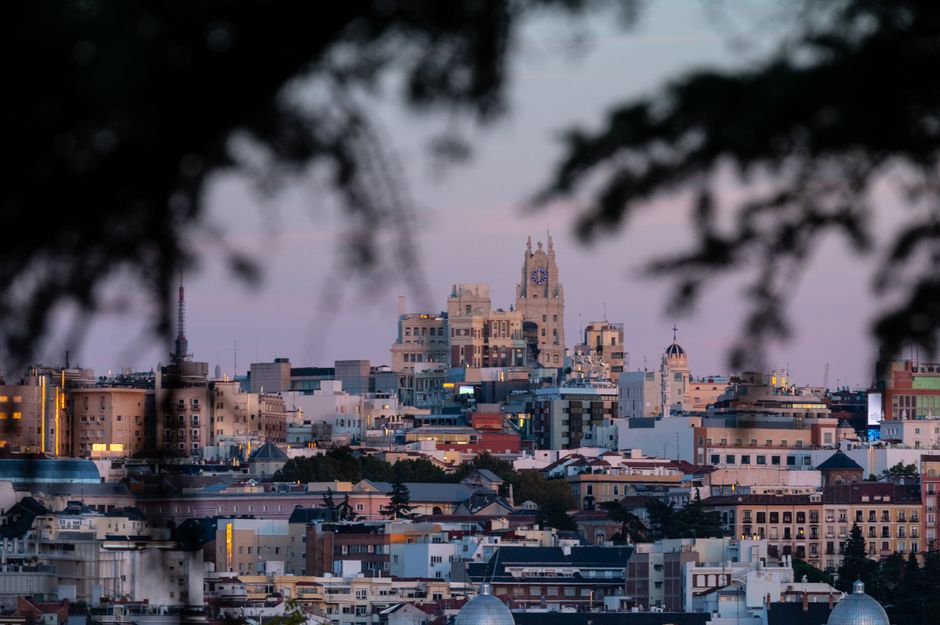
Madrid's transport infrastructure is undergoing its most significant transformation in decades, yet behind the construction cranes and disrupted commutes lies a landscape of statistics that reveals both the scale of the challenge and the costs of delay.
The Metro Line 10 southern extension, stretching from Puerta del Sur towards the suburbs, represents a €2.1 billion investment alone. The project, originally scheduled for completion in 2024, now targets 2027 at the earliest—a three-year slip that adds approximately €340 million to its budget. For context, that overrun exceeds the entire annual operating budget of Madrid's municipal transport department by nearly 40 percent. The line, when finished, will add 8.4 kilometres of track and serve an estimated 180,000 daily passengers by 2035, according to city planners' projections.
Meanwhile, the Cercanías rail modernisation programme—a €12.7 billion venture across the region—continues its uneven progress. The Vallecas-Villaverde corridor alone has consumed €1.2 billion of that sum, with passenger numbers on existing routes averaging 420,000 daily journeys. Investment per journey currently sits at roughly €3,000 per regular commuter over a 30-year amortisation period, substantially higher than comparable European cities.
The ambitious bus rapid transit (BRT) corridor along Paseo de la Castellana, costing €380 million, promises to trim 12 minutes from average journey times between Chamartín and Plaza Castilla—a 4.6-kilometre journey that currently takes 28 minutes during peak hours. The project will reduce general traffic lanes from four to three, a politically fraught decision that city officials justify with projections showing 18,000 additional bus passengers daily by 2030.
Delays, however, dominate the ledger. The Atocha-Chamartín high-speed rail connection, conceived in 2015 at an estimated cost of €5.4 billion, now carries a projected price tag of €8.9 billion and won't open before 2029. Each additional year of delay costs Madrid's municipal finances approximately €85 million in inflation adjustments and borrowing costs, council documents show.
The broader picture emerges in the numbers: Madrid currently spends 3.2 percent of its municipal budget on transport infrastructure—above the Spanish average of 2.1 percent but below northern European cities like Copenhagen (4.8 percent). Yet completion rates tell a starker story. Of the 47 major transport projects initiated since 2015, only 19 have finished within budget and schedule. That's a 40 percent success rate, a figure that city planners are openly trying to improve through new accountability measures introduced this year.
This article was compiled by AI from the sources linked above and screened before publishing. See our editorial standards.
How does this story make you feel?
Spread the word
About this article
Published by The Daily Madrid
Daily brief
Free, in your inbox before 7am. Weekdays.
More in News