How Madrid's University Crisis Became Undeniable: A Decade of Underfunding and Deferred Reform
Years of budget cuts and political gridlock have pushed Spain's capital universities to a breaking point, forcing a reckoning this summer.
Years of budget cuts and political gridlock have pushed Spain's capital universities to a breaking point, forcing a reckoning this summer.
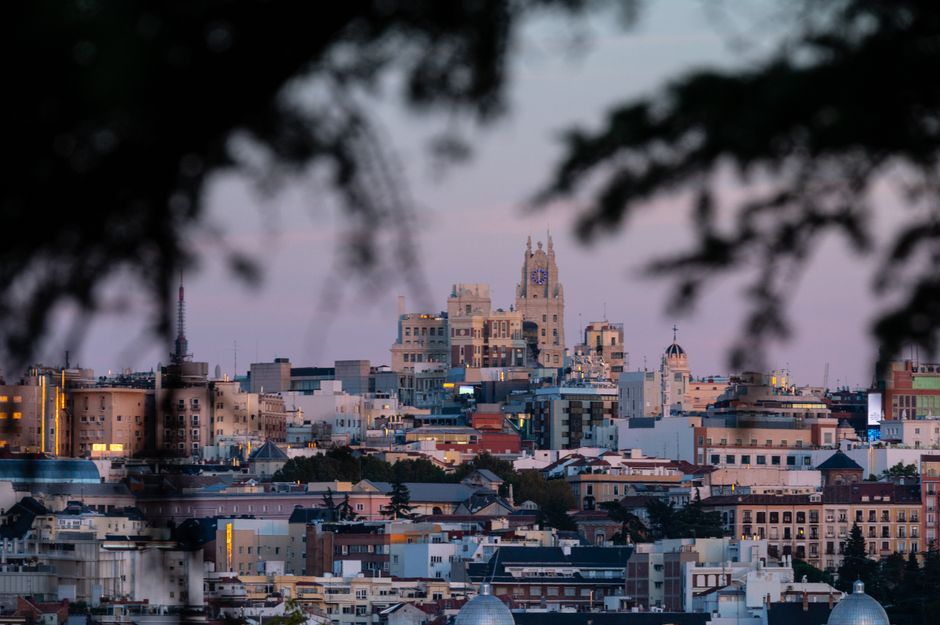
The crisis engulfing Madrid's university sector did not arrive overnight. It arrived in instalments, through a thousand small decisions and non-decisions that accumulated into systemic strain. Today, as campuses across the region grapple with lecturer shortages, crumbling infrastructure, and record student-to-faculty ratios, the question haunting education officials is not how this happened, but how it went unaddressed for so long.
The roots trace back a decade. In 2016, regional government budget allocations to higher education stood at €1.2 billion. By 2024, despite inflation and growing student numbers, that figure had barely moved. Meanwhile, enrolment at Universidad Complutense de Madrid (UCM) and Universidad Autónoma de Madrid (UAM) climbed steadily, with combined undergraduate intake exceeding 35,000 students annually by 2025. The mathematics were brutal.
The impact became tangible in neighbourhoods throughout the capital. At the Moncloa campus in the northwest, some lecture halls now host 400 students in spaces designed for 200. At UAM's Cantoblanco facility, building maintenance requests filed in 2018 remain pending. Faculty positions, particularly in STEM disciplines, went unfilled for years as salary competitiveness eroded. Junior researchers began accepting positions in Barcelona, Valencia, and abroad.
Political factors compounded the crisis. The regional government's focus shifted toward private institution subsidies and vocational training, perceived as quicker economic wins. Meanwhile, public university governance structures—fractious and slow—struggled to mount unified advocacy for increased funding. Different rectorates pursued contradictory strategies, fragmenting institutional leverage.
The 2023-24 academic year marked an inflection point. Student protests erupted across the Retiro district and beyond, citing inadequate facilities and teaching quality concerns. Faculty unions documented record stress levels and burnout. Parents in affluent areas like Chamberí began directing children toward private universities, reshaping Madrid's educational landscape subtly but significantly.
By early 2026, the pressure became unmissable. Accreditation bodies raised concerns about several programmes. The regional government finally commissioned an independent audit, released in April, which recommended €400 million in urgent capital investment and structural reforms.
What emerges from this trajectory is a portrait of institutional inertia meeting fiscal conservatism. No single decision created the crisis; rather, a pattern of insufficient action during years when intervention remained manageable. Education experts note that Madrid's situation mirrors broader Spanish regional challenges, but the scale here—affecting the nation's largest metropolitan university system—makes resolution unavoidable.
The summer of 2026 represents a potential turning point. Whether it becomes genuine reform or merely pause remains the urgent question.
This article was compiled by AI from the sources linked above and screened before publishing. See our editorial standards.
How does this story make you feel?
Spread the word
About this article
Published by The Daily Madrid
Daily brief
Free, in your inbox before 7am. Weekdays.
More in News