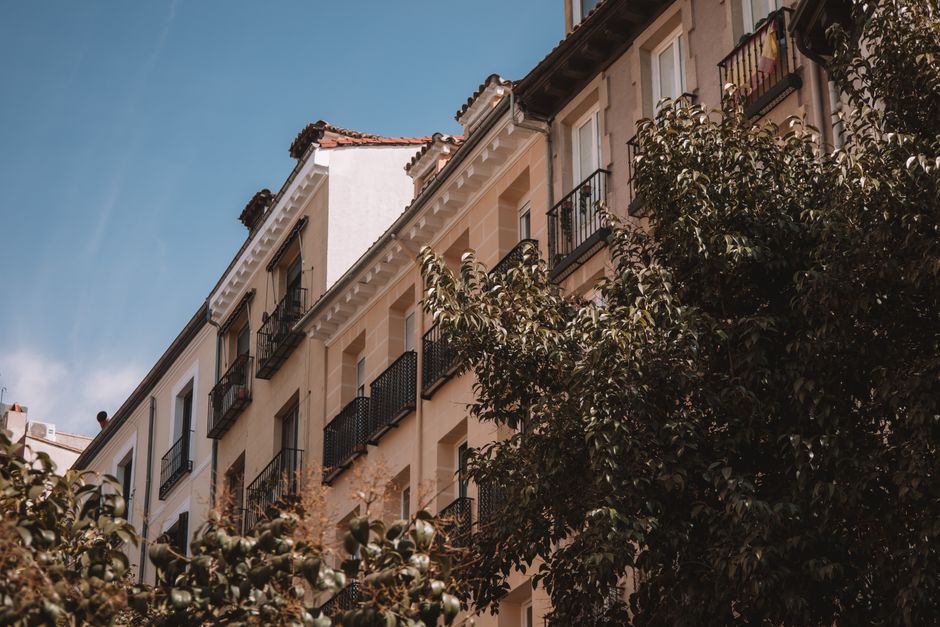
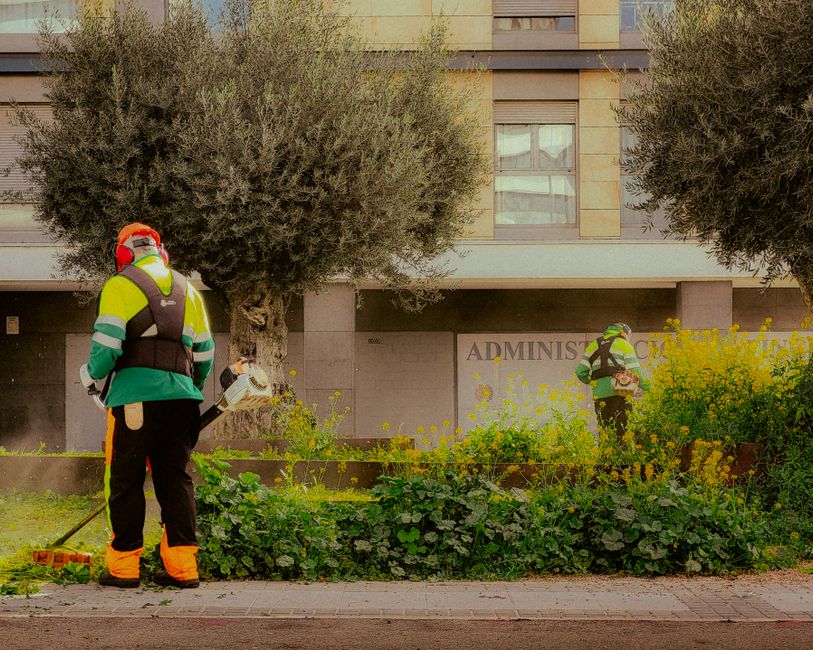
On Calle del Olivar in Lavapiés, the narrow streets pulse with the languages and flavours of dozens of nations. Yet beneath this cultural vibrancy lies a deepening crisis that residents say the city is failing to address: affordable housing and access to essential services for Madrid's migrant communities.
Housing costs in neighbourhoods like Lavapiés and Usera have jumped nearly 28% in three years, according to recent municipal data. A one-bedroom flat on Calle de la Ruda now commands €750–900 monthly—a sum that leaves many working migrants choosing between rent and food. "I work two jobs," says a community organiser at Asociación de Inmigrantes en Madrid, who requested anonymity. "My daughter's school is here, my work is here, but I'm being pushed out of the only neighbourhood that accepted me."
The pressure is mounting as integration programmes face reduced funding. The Casa de Cultura del Ayuntamiento on Plaza de Lavapiés, which provided Spanish language classes and employment workshops, operates at half capacity. Staff cite a 15% budget reduction announced last month. "These services aren't luxuries," explains a volunteer coordinator. "They're how people find stable work and build lives here."
The statistics tell a stark story. Over 52% of the population in Lavapiés and Usera are now foreign-born, according to the city's 2024 census—a figure that has nearly doubled since 2015. Yet migrant unemployment remains 3.2 percentage points higher than the Madrid average, community advocates note.
In Usera, near the Mercado de Usera, residents gathering for informal conversations express frustration at being treated as a problem rather than neighbours. "The neighbourhood has changed, yes," one long-term resident reflects. "But instead of helping people integrate, the city just lets landlords exploit desperation."
Local NGOs are stepping into the gap. Fundación Acción Solidaria operates a housing cooperative on Calle Ibiza, while smaller organisations run job-training programmes from cramped offices. Yet they're overwhelmed. "We're treating symptoms, not causes," one director admits. "Real solutions require political will."
As Madrid's 2026 municipal budget awaits final approval, migrants and their advocates are asking uncomfortable questions: Can a global city afford to hollow out the neighbourhoods that sustain it? And who decides whether migrant residents truly belong?
This article was compiled by AI from the sources linked above and screened before publishing. See our editorial standards.