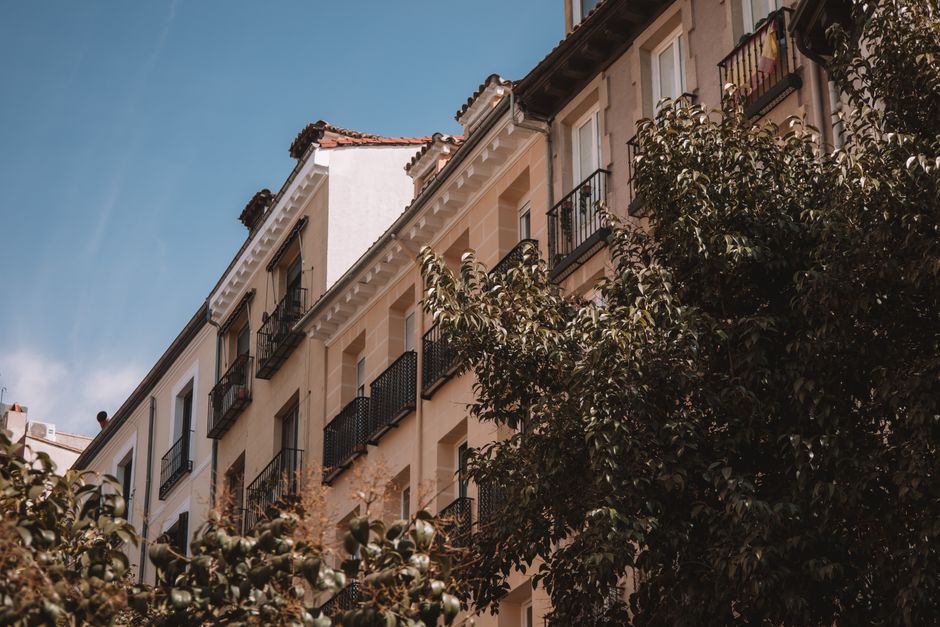
Madrid has committed to becoming carbon-neutral by 2050, a goal that has prompted sweeping changes across the Spanish capital. Yet as other European cities implement aggressive sustainability programmes, the question remains: is Madrid moving fast enough?
The city's flagship initiative, the Madrid Nuevo Norte project, aims to transform sprawling industrial zones in the north into mixed-use neighbourhoods with extensive green spaces. Meanwhile, the expansion of the metro system and the city's decision to pedestrianise large sections of central Madrid—including portions of Gran Vía—reflects a shift away from car dependency. The Zone de Tráfico Limitado (ZTL) in the city centre has already reduced emissions, though critics argue the restrictions remain insufficient compared to schemes in Paris or Barcelona.
Data tells a complex story. Madrid's public transport ridership has increased by 12% since 2022, approaching the 2.5 billion annual journeys target. However, the city's air quality index still frequently exceeds EU safety standards during summer months. By contrast, Copenhagen reports consistently better air metrics, partly due to its earlier investment in cycling infrastructure—a realm where Madrid remains underdeveloped despite recent bike lane expansions along the Paseo del Prado.
Energy transition efforts show promise. The municipal government has installed over 4,000 solar panels across municipal buildings, and plans to reach 10,000 by 2028. Yet Berlin's distributed renewable energy programme already serves 60% of the city's power needs, highlighting Madrid's slower progress toward decarbonisation.
The financial dimension matters. Madrid allocated €850 million to environmental initiatives in its 2024-2026 budget, substantial but modest compared to Hamburg's €1.2 billion investment. Recycling rates in Madrid stand at 32%—respectable by Spanish standards but trailing Amsterdam's 48%.
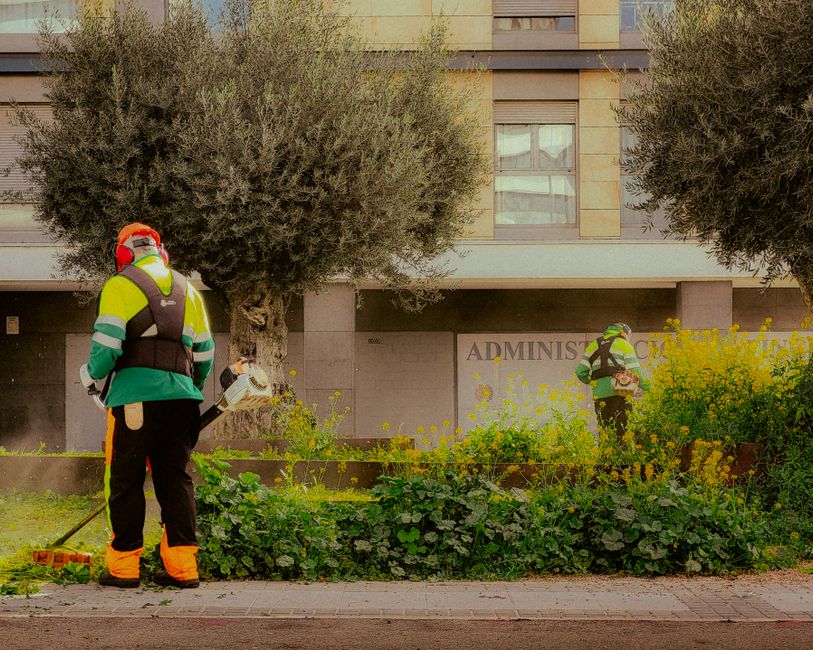
Where Madrid excels is urban greening. The city has planted over 80,000 new trees since 2019, targeting 500,000 by 2030. The restoration of the Manzanares riverfront and expansion of green corridors through working-class neighbourhoods like Vallecas show commitment to environmental justice—an area where many peer cities have struggled.
Experts suggest Madrid's future depends on accelerating rather than maintaining current pace. The upcoming EU Green Deal regulations will tighten emissions standards, potentially forcing faster transformation. For a city of 3.3 million inhabitants, the stakes are high. Madrid's trajectory matters not just for residents breathing its air, but for positioning Spain as a serious climate leader.
The race is on. Madrid has the ambition and resources—whether it has the speed is another matter entirely.
This article was compiled by AI from the sources linked above and screened before publishing. See our editorial standards.