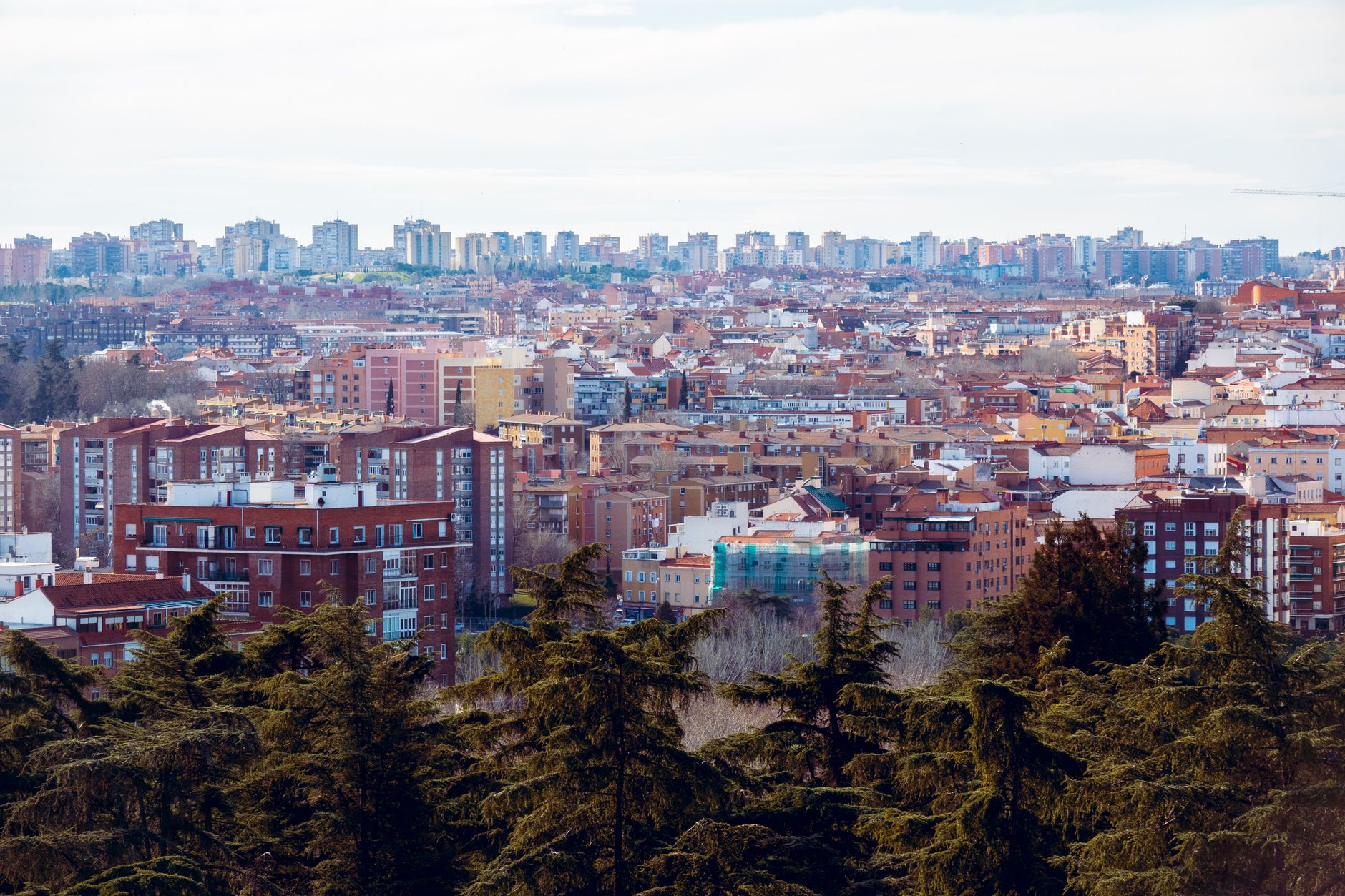
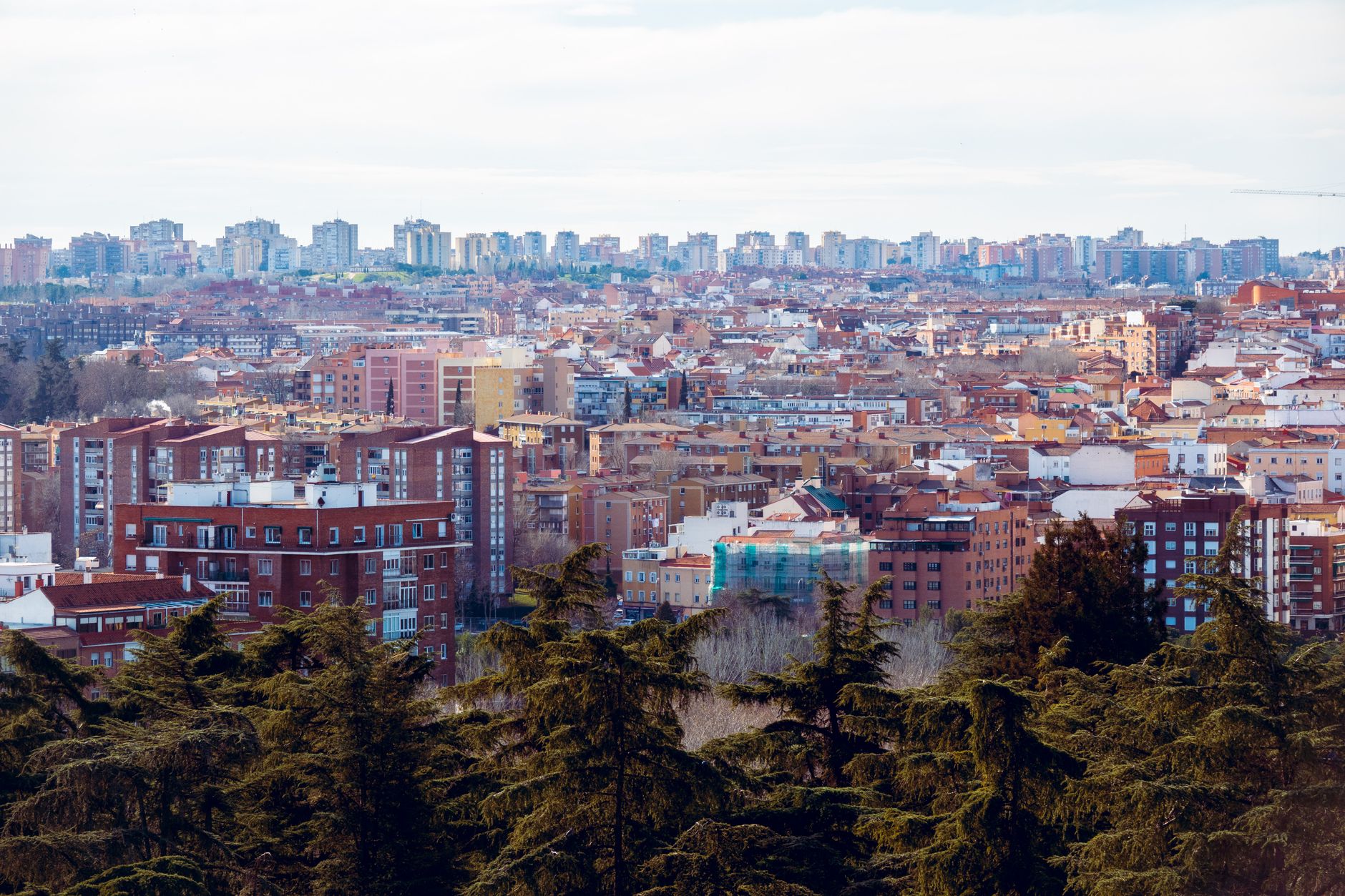
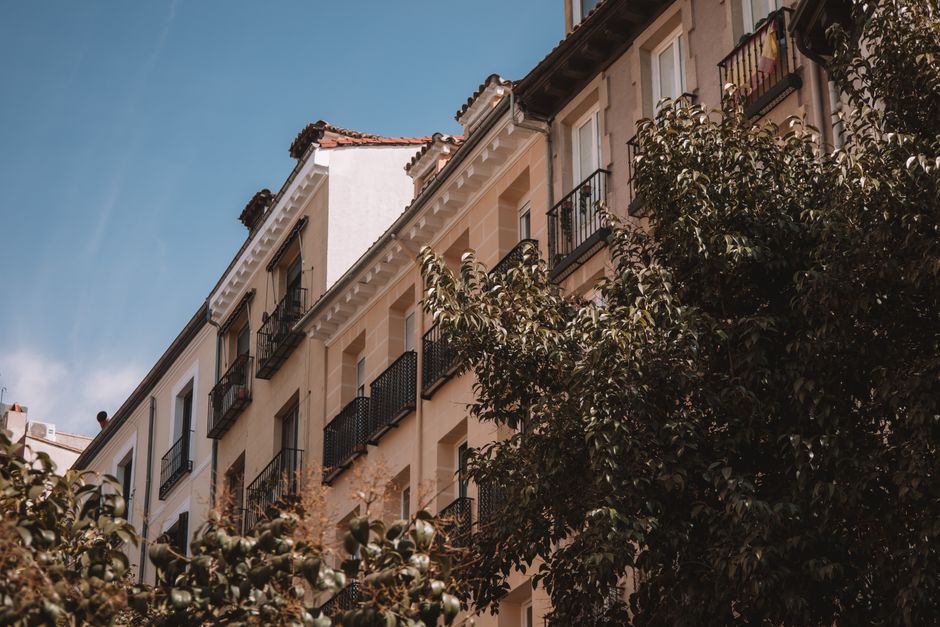
Madrid's commitment to becoming Europe's most sustainable capital by 2030 isn't abstract policy—it's reshaping how residents live, work, and move through their neighbourhoods. The comprehensive sustainability strategy, now entering its critical implementation phase, promises tangible benefits that will touch everything from your morning commute to your monthly utility bills.
The expansion of the city's low-emission zones, particularly the intensification across the Plaza Mayor district and extending into Salamanca and Retiro, has already reduced particulate matter by 23 percent since 2023. For residents in these areas, respiratory health improvements are measurable. Children at schools along Paseo del Prado report fewer asthma incidents, while elderly residents in care facilities near the Parque del Buen Retiro experience better overall health outcomes.
The renewable energy retrofit programme, targeting 15,000 residential buildings by 2027, directly impacts household finances. A family in Chamberí who participated in the pilot phase reduced their annual heating costs by €480—approximately 35 percent of their previous winter bills. The city's subsidy programme covers up to 60 percent of installation costs for solar panels and heat pump systems, making the transition financially viable for middle-income households across neighbourhoods like Tetuán and Puente de Vallecas.
Community engagement remains central. The Huertos Urbanos initiative has established 47 neighbourhood gardens across the city, with waiting lists now extending into 2027. These spaces provide fresh produce access, particularly valuable in food-desert areas, while creating social cohesion. The garden in Plaza de Cascorro attracts residents from diverse economic backgrounds, functioning as genuine community infrastructure rather than merely aesthetic enhancement.
Public transport integration represents perhaps the most immediate local impact. The expansion of the metro network into previously underserved areas, combined with pedestrian zones widening in Chueca and Malasaña, reduces commute times while increasing foot traffic to local businesses. Small retailers report 18 percent increased foot traffic in newly pedestrianised zones.
Yet challenges persist. Implementation timelines remain ambitious, and equitable access across income levels requires ongoing attention. The city's commitment to ensuring that sustainability benefits reach working-class neighbourhoods—not merely affluent districts—will ultimately determine the initiative's success.
Madrid residents aren't simply being asked to embrace environmental responsibility; they're being offered concrete improvements to quality of life, economic savings, and community resilience. That's why this transition genuinely matters beyond environmental abstractions.
This article was compiled by AI from the sources linked above and screened before publishing. See our editorial standards.