Madrid's Migrant Communities Navigate New Housing Rules as Summer Pressure Mounts
Fresh regulations and rising temperatures bring both challenges and opportunities for the city's growing immigrant population this week.
Fresh regulations and rising temperatures bring both challenges and opportunities for the city's growing immigrant population this week.
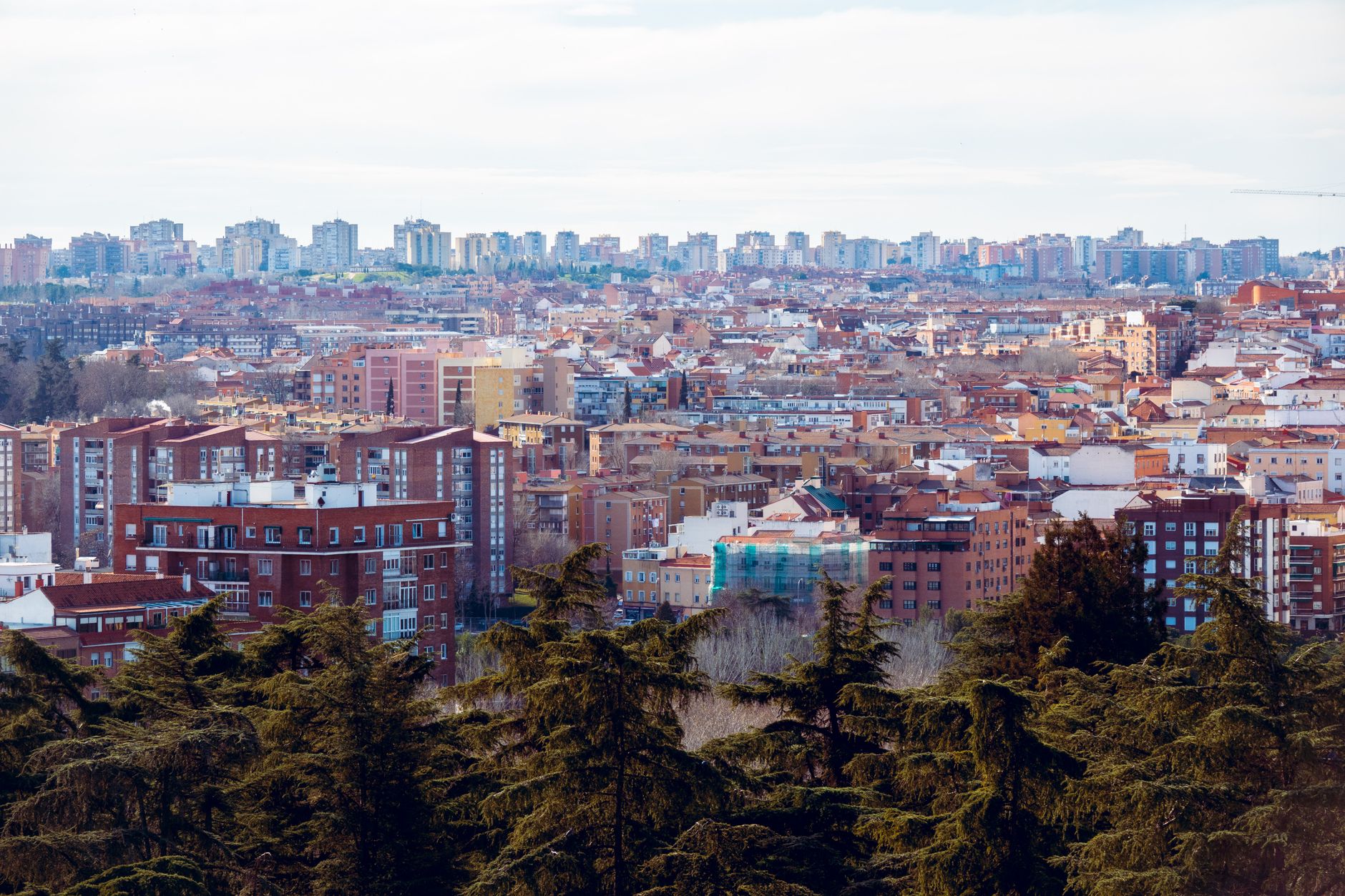
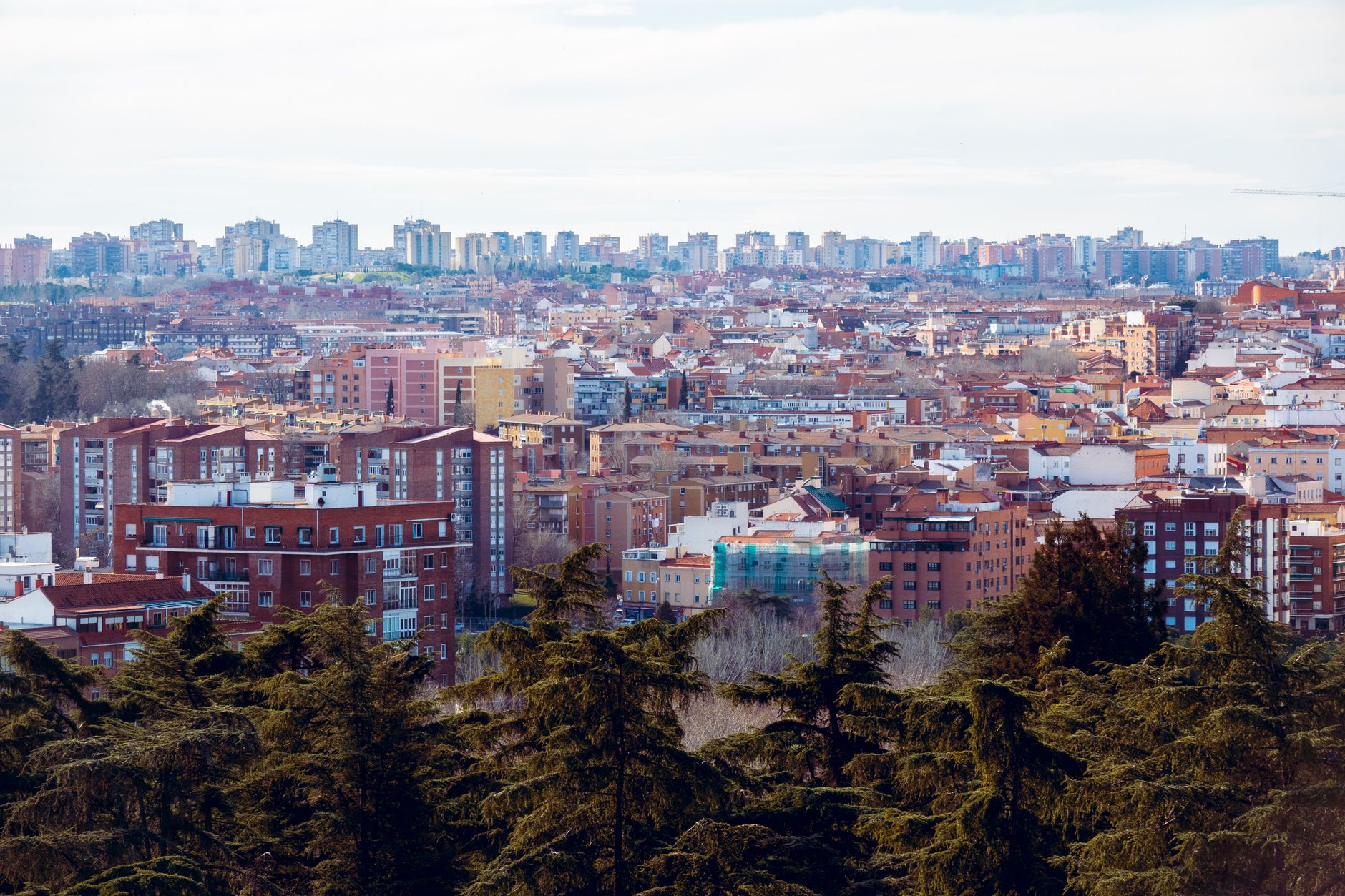
Madrid's multicultural neighbourhoods faced significant developments this week as city officials implemented stricter housing compliance measures while temperatures soared above 38°C, affecting vulnerable populations across the capital.
The Madrid City Council announced updated registration requirements for temporary accommodation in densely populated areas including Lavapiés, Malasaña, and the neighbourhoods around Plaza Mayor. The measures, which took effect Monday, require landlords to maintain separate utility meters and ensure minimum space standards of 12 square metres per resident. Housing advocates estimate the changes will affect approximately 8,000 properties currently occupied by migrants and working-class families.
"We're seeing a real mixed picture," said a spokesperson from Fundación Iniciativas Solidarias, a Madrid-based migration support organisation. The foundation reported a 15% increase in housing consultations over the past month, with many residents seeking clarity on compliance deadlines set for August 31st.
Meanwhile, community centres across immigrant-heavy areas reported record attendance as residents sought relief from the oppressive heat. The Centro de Integración Social in Usera district distributed over 2,000 bottles of water and provided air-conditioned spaces for vulnerable groups, including elderly immigrants and young children. Similar initiatives at the Mercado de la Cebada cultural space in La Latina drew families navigating language barriers and documentation concerns.
On a more positive note, this week marked the opening of a new employment training centre in Villaverde, specifically designed to support recently arrived migrants in gaining Spanish labour certifications. The initiative, funded jointly by the regional government and private enterprise, offers free courses in hospitality, construction, and healthcare—sectors accounting for nearly 40% of Madrid's migrant workforce.
Integration remains uneven across districts. Newer arrivals from Venezuela, Ukraine, and West Africa continue clustering in historically affordable zones, where rental prices have climbed roughly 12% year-on-year despite economic pressures. Market research from the Madrid Chamber of Commerce indicates migrant households now represent 23% of the rental market, up from 18% three years ago.
The week also saw advocacy groups preparing documentation for a June review of Madrid's Integration Plan 2023-2027. Community leaders are pushing for expanded language programmes and streamlined residency pathways, citing successful models from Barcelona and Valencia.
As summer intensifies and housing pressures mount, Madrid's ability to balance regulation with compassionate integration will likely define the capital's social cohesion through the coming months.
This article was compiled by AI from the sources linked above and screened before publishing. See our editorial standards.
How does this story make you feel?
Spread the word
About this article
Published by The Daily Madrid
Daily brief
Free, in your inbox before 7am. Weekdays.
More in News