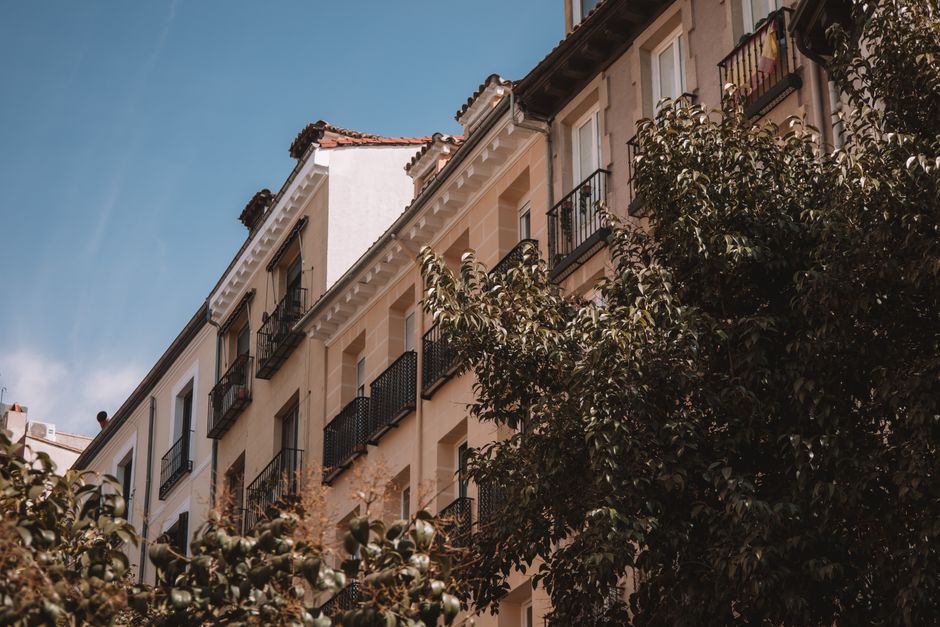
Madrid's current housing emergency did not emerge overnight. The roots stretch back nearly two decades, to decisions made in municipal offices and banking headquarters that prioritized short-term profit over long-term urban stability. Today, as the city grapples with affordability crises that have made neighborhoods like Chamberí and Salamanca virtually inaccessible to ordinary workers, understanding how we arrived here is essential to any meaningful solution.
The turning point came in the early 2000s, when Madrid's property market transformed from a shelter mechanism into a speculative engine. Average apartment prices in central districts climbed from €3,500 per square meter in 2005 to over €8,500 by 2024. Meanwhile, social housing—the counterweight that keeps cities functional—stagnated. The city's stock of publicly-owned vivienda social hovered around 1.5 percent of total housing, far below the European average of 8 percent. Neighborhoods around Atocha and along the Paseo de la Castellana saw entire blocks converted into short-term tourist rentals, effectively removing them from the residential market.
Financial deregulation played its role. Banks that had survived the 2008 crisis became aggressive investors in residential property, purchasing portfolios and holding them as appreciating assets rather than homes. Investment funds, many foreign-owned, discovered Madrid's neighborhoods as reliable yield sources. By 2023, institutional investors controlled roughly 15 percent of Madrid's residential properties—a figure that would have seemed unthinkable in 1990.
The municipal response came slowly. Successive administrations acknowledged the problem without addressing its structural causes. Rent control measures, when implemented, arrived fragmented and insufficient. The famous "Golden Mile" around Paseo de Recoletos became symbolic of the city's displacement dynamics—young families, teachers, nurses, and artists priced out by the relentless mathematics of market forces.
Recent policy shifts suggest Madrid may finally be turning a corner. The city council has committed to increasing social housing development and implementing stronger regulations on corporate property acquisitions. Yet these measures arrive after years of cumulative damage. Entire generations of madrileños have either postponed major life decisions or relocated to satellite towns like Alcalá de Henares and Torrejón de Ardoz—effectively shrinking the city's living core.
Understanding this history is crucial because it reveals what's at stake. Madrid's housing crisis isn't merely an economic problem; it's a question about what kind of city we want to be. The decisions made in the next eighteen months will determine whether the capital remains a genuinely mixed urban space or becomes increasingly segregated by wealth.
This article was compiled by AI from the sources linked above and screened before publishing. See our editorial standards.