Madrid is transforming itself into a greener city, yet it remains several steps behind its European counterparts in the sustainability race. With over 3.2 million residents, Spain's capital faces mounting pressure to match the environmental ambitions of cities like Copenhagen, which has already achieved carbon neutrality in its municipal operations, and Berlin, where 60% of the city is designated green space.
The Madrid Río project, which reclaimed 33 kilometres of urban waterfront along the Manzanares since 2007, represents the city's flagship environmental initiative. Today, the riverside parks attract 14 million visitors annually and have become a model for urban regeneration across Southern Europe. Yet even this success pales compared to Hamburg's Elbe Islands project or Amsterdam's comprehensive water management systems, which integrate climate resilience into every neighbourhood plan.
The city's public transport network—managed by EMT and Metro de Madrid—carries 2.2 billion passengers yearly, one of Europe's highest modal shares. However, fares remain among the continent's cheapest at €1.50 per journey, raising questions about long-term investment sustainability. Meanwhile, Berlin's Berlin Pass and Copenhagen's integration cards have achieved higher passenger loyalty through premium service models.
Madrid's 500-kilometre cycling network, expanded significantly under the Movilidad sostenible initiative, still lags far behind Paris's 1,400-kilometre system and Amsterdam's 16,000-kilometre national infrastructure. The city's subsidised bike-sharing scheme, BiciMAD, operates 2,400 bikes across 280 stations—respectable figures, yet dwarfed by Paris's Vélib' (21,000 bikes) and Lyon's Vélo'v (4,000 stations across the metropolitan area).
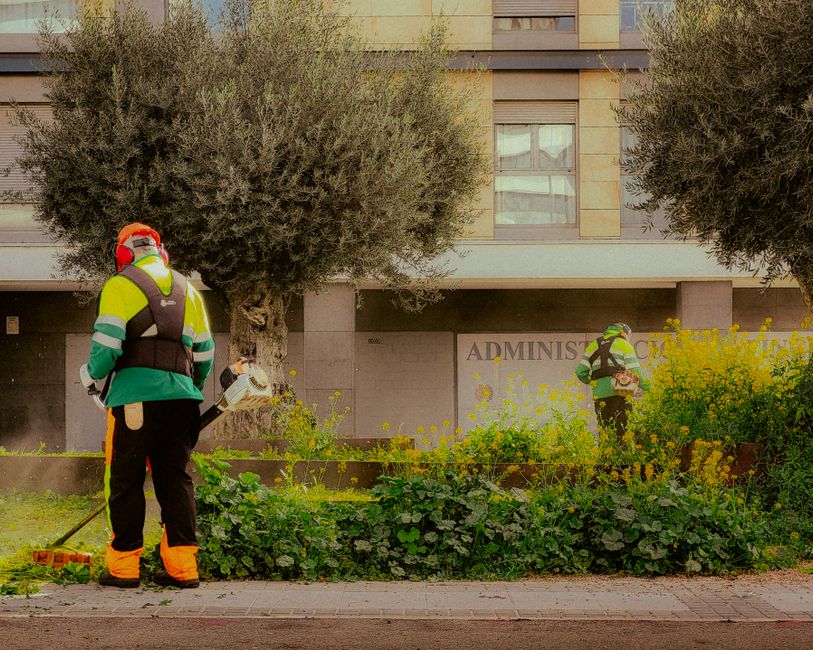
Where Madrid distinguishes itself is in urban agriculture. Community gardens in Carabanchel and Puente de Vallecas have proliferated, with over 60 operational spaces producing fresh vegetables at neighbourhood level. This grassroots approach outpaces comparable initiatives in London and Brussels, suggesting Madrid's strength lies in community-driven rather than top-down solutions.
The city's target to become carbon-neutral by 2050 aligns with EU directives, but Barcelona has already committed to 2030. Energy efficiency retrofits in Salamanca and Chamberí districts have reduced building emissions by 25%, yet Copenhagen's citywide approach has achieved 40% reductions.
As Madrid moves forward, city planners must balance fiscal reality with environmental urgency. The capital's sustainability credentials are undeniably improving, but matching Europe's most progressive cities will require accelerated investment and bolder targets than currently scheduled.
This article was compiled by AI from the sources linked above and screened before publishing. See our editorial standards.