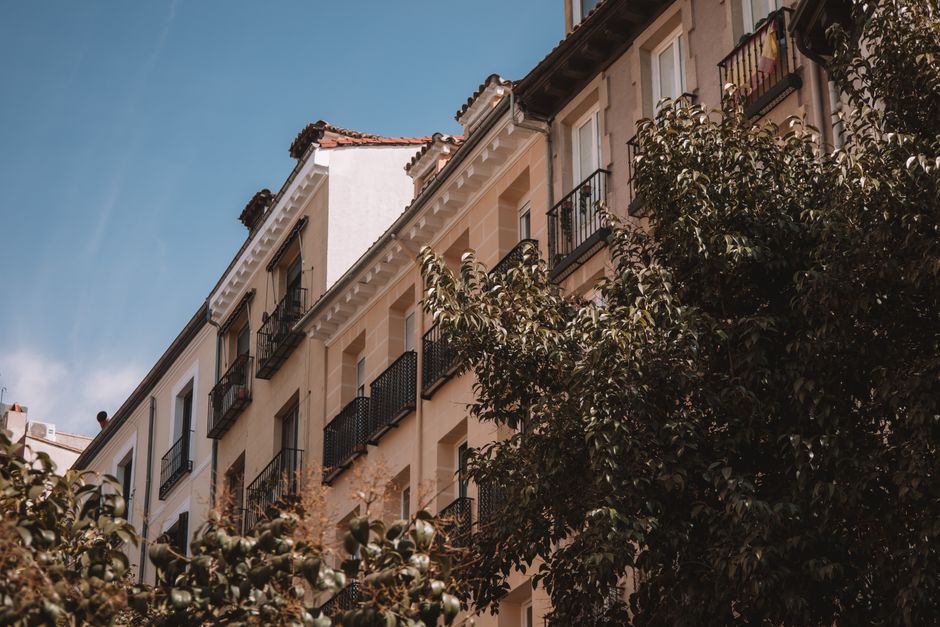
Madrid's municipal government has quietly approved zoning amendments that will fundamentally reshape three central neighbourhoods, and residents are only now realising what's at stake for their communities.
The revised urban plan, enacted in late June, permits developers to convert mixed-use residential blocks in Malasaña, Chueca, and parts of Lavapies into primarily commercial and luxury residential zones. For ordinary madrileños, this isn't abstract policy—it's a direct threat to neighbourhood character and affordability.
Average rental prices in Malasaña have already climbed to €1,200 per month for a one-bedroom flat, up 34% in five years. Chueca has seen similar pressures. These zoning changes will accelerate that trajectory by making it more profitable for property owners to renovate buildings for higher-income tenants or convert them into tourist apartments and upscale boutiques.
Maria Jiménez, who runs a neighbourhood association focused on tenant rights, explains the cascading effects residents now anticipate: "When zoning allows commercial development, landlords stop investing in family housing maintenance. Leases aren't renewed. Parents who grew up here can't afford to raise their own children here." She points to the cultural impact—the independent bookshops, modest cafés, and community centres that give these neighbourhoods identity.
The Mercado de San Fernando in Malasaña and the Mercado de San Ildefonso serve not just as shopping venues but as social anchors. Market vendors, many of whom operate at narrow margins, worry that soaring commercial rents—enabled by looser zoning—will force them out in favour of global brands and tourist-oriented restaurants.
City planners argue the changes will increase housing supply and improve infrastructure investment. Housing shortage is real in Madrid; vacancy rates near Gran Vía sit below 2%. But critics argue the policy instruments chosen don't prioritise affordable units. Developers have minimal obligation to build social housing under current incentive structures.
Other major European cities have faced similar choices. Barcelona's stricter zoning preservation in El Born prevented complete gentrification. Vienna mandates that 30% of new residential development be social housing. Madrid has no such requirements in this new framework.
The decision underscores a deeper tension: growth versus community preservation. For residents in Malasaña and Chueca, this isn't merely about housing markets. It's whether the neighbourhoods they inhabit remain plural, mixed-income communities or become exclusive enclaves designed for affluent newcomers and tourists.
The city council will revisit implementation rules in September. Community organisations are mobilising, demanding affordable housing targets and stronger protections for existing residents before the full transformation takes root.
This article was compiled by AI from the sources linked above and screened before publishing. See our editorial standards.