Madrid's Neighbourhood Chiefs Sound Alarm Over Summer Tourist Surge and Local Services
District administrators and community leaders warn that overcrowding and infrastructure strain threaten the character of traditional Madrid barrios.
District administrators and community leaders warn that overcrowding and infrastructure strain threaten the character of traditional Madrid barrios.
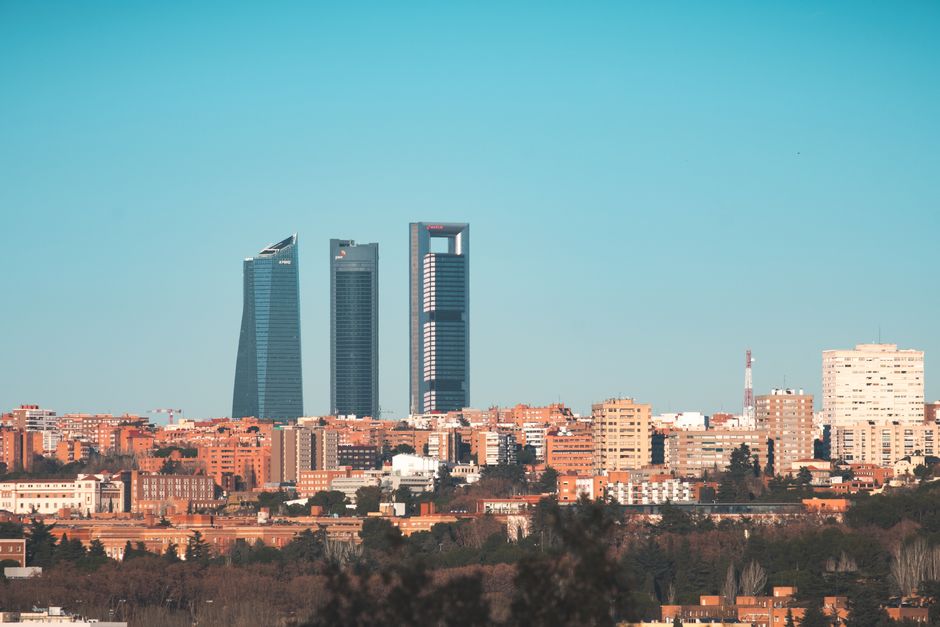
As temperatures climb toward 35°C and summer tourism peaks, officials across Madrid's most visited neighbourhoods are raising concerns about the strain on local services and the erosion of residential life in historic districts.
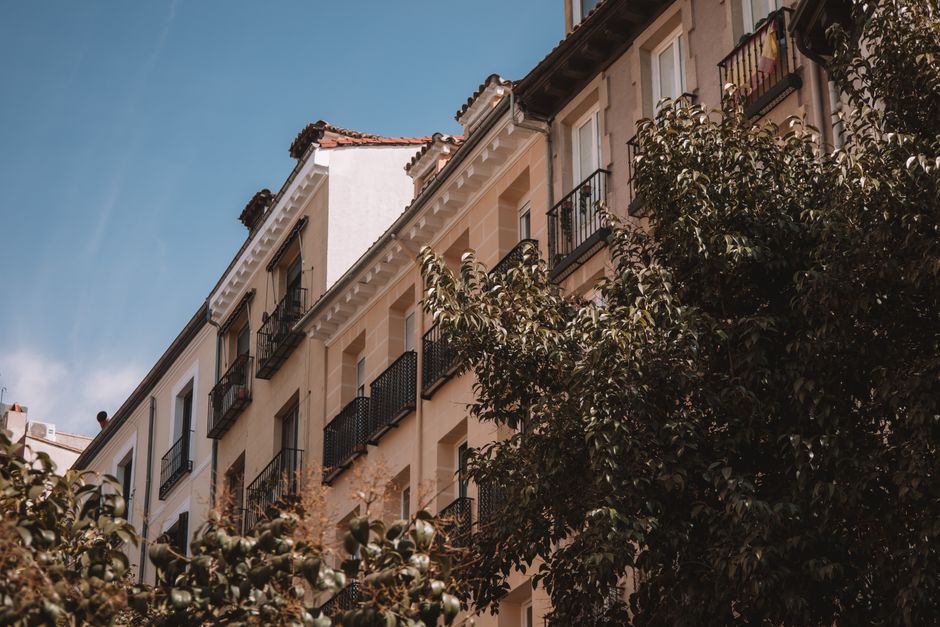
In La Latina, where narrow medieval streets funnel an estimated 50,000 daily visitors through tapas bars and souvenir shops, the neighbourhood's administrative board has called for stricter regulations on short-term rental properties. The district encompasses some of Madrid's oldest quarters around the Plaza Mayor and Calle de Cuchilleros, where locals report increasingly difficult access to essential services during peak hours. Maria José García, spokesperson for the Latina residents' association, highlighted that pharmacy queues extend onto sidewalks and that primary care clinics are operating at 120% capacity in July and August.
Meanwhile, in Malasaña—the bohemian quarter centred around Plaza del Dos de Mayo—authorities acknowledge a "delicate balance" between cultural vitality and neighbourhood habitability. The district's commercial increase has been remarkable; rental prices on Calle San Andrés have risen 8% year-on-year, pricing out families who have lived there for generations. Local business associations argue this reflects broader Madrid growth, while community organisers counter that displacement threatens the artistic identity that made the neighbourhood attractive in the first place.
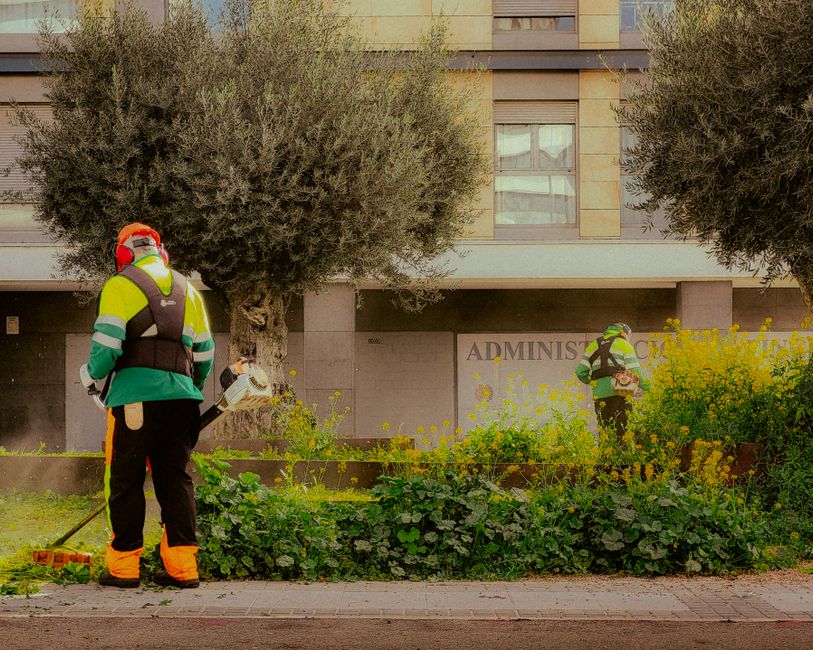
The City Council's Department of Urban Planning stated in a June briefing that it is reviewing zoning policies across central districts to protect residential zones. Officials noted that applications for new hospitality licenses in Chueca, Sol, and Centro have surged by 34% since 2024, straining parking, waste management, and emergency response times.
Chamberí, a traditionally quieter northern neighbourhood, presents a different challenge. Local administrators report rising demand for youth services and mental health support, correlating with demographic shifts as younger professionals move beyond the congested city centre. The neighbourhood's health centre on Calle Luchana requires expanded evening hours, officials say, though budget constraints complicate expansion.
The Madrid Federation of Neighbourhood Associations has scheduled a public forum for July 15 at the Biblioteca Pública Municipal Eugenio Trías to discuss sustainable tourism and community preservation. Experts in urban sociology from Universidad Autónoma de Madrid will present findings on neighbourhood resilience, while district representatives will outline forthcoming regulatory proposals.
City administrators emphasize that tourism contributes approximately €6 billion annually to Madrid's economy, yet acknowledge that without proactive planning, the neighbourhoods that define the city risk transformation into homogenised commercial zones.
This article was compiled by AI from the sources linked above and screened before publishing. See our editorial standards.
How does this story make you feel?
Spread the word
About this article
Published by The Daily Madrid
Daily brief
Free, in your inbox before 7am. Weekdays.
More in News