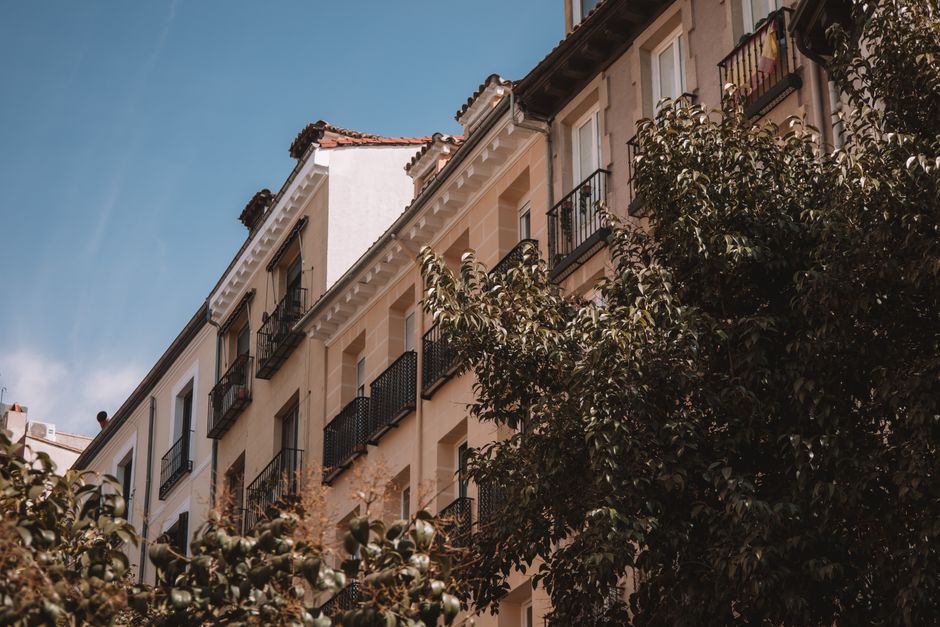
When María Gómez collapsed outside her apartment on Calle de la Palma in Malasaña last month, every second counted. The ambulance took 23 minutes to arrive—nearly double the city's target response time of 12 minutes for priority calls. She survived a heart attack, but her experience reflects a troubling pattern that residents across Madrid are beginning to notice and fear.
Data obtained by The Daily Madrid reveals that emergency response times in the capital have deteriorated significantly over the past 18 months. The Servicio de Emergencias 112 Madrid reported that average response times for urgent calls exceeded 18 minutes in April, with some neighbourhoods faring considerably worse. In outer districts like Villaverde and San Blas-Canillejas, residents report waiting up to 30 minutes for ambulances, while wealthier central areas like Salamanca and Chamberí see faster service.
The disparity has sparked quiet fury among community leaders. "This creates a two-tier system," says Francisco Ruiz, coordinator at the Federación de Asociaciones de Vecinos de Madrid, an umbrella organisation representing neighbourhood groups across the city. "Residents in peripheral areas are effectively receiving inferior emergency care because of budget constraints, not medical necessity."
The root cause is clear: understaffing. Madrid's emergency services operate with approximately 40 fewer paramedics than required to meet demand, according to union representatives. This gap has widened as experienced staff transfer to better-funded autonomous communities, while recruitment has stalled. Meanwhile, Madrid's population continues to expand, with the metropolitan area now exceeding 6.7 million people.
The impact extends beyond ambulances. Police response to crimes in zones like Lavapiés and Centro has also slowed, with some theft and assault reports taking hours to register. Business owners on Gran Vía have begun privately contracting security firms, effectively privatising safety in one of Europe's most visited streets.
City officials attribute the crisis to insufficient regional funding, but residents are losing patience with bureaucratic finger-pointing. Community centres across Madrid are organising public forums demanding action, while safety concerns increasingly influence where young families choose to live.
The question facing Madrid is whether emergency services will receive adequate investment before a preventable tragedy forces the issue. For residents like María Gómez, the answer cannot come soon enough.
This article was compiled by AI from the sources linked above and screened before publishing. See our editorial standards.