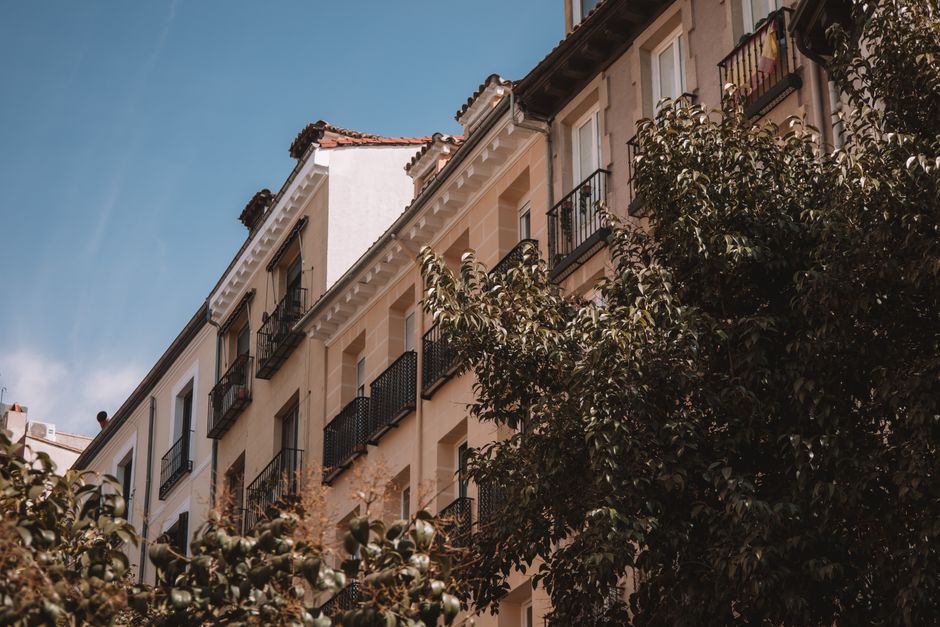
When Madrid's city council announced plans to expand the low-emission zone (LEZ) across 24 additional neighbourhoods this autumn, reactions along the crowded terraces of Calle del Espíritu Santo in Malasaña were decidedly mixed. For some residents, the initiative represents a long-overdue response to air quality that regularly exceeds EU safety thresholds. For others, it signals another cost burden in a city where rents have climbed 34% since 2020.
"The air quality here has improved noticeably since the restrictions began," said a shopkeeper operating near Plaza Mayor, who has witnessed reduced traffic congestion in the historic centre. Air quality readings in central Madrid have improved by roughly 8% over the past two years, according to municipal data, yet the elderly and those with respiratory conditions remain concerned about implementation gaps.
The tension reflects Madrid's broader sustainability challenge: ambition versus accessibility. The city's commitment to achieving carbon neutrality by 2040 includes retrofitting 150,000 homes for energy efficiency—a costly proposition that disproportionately affects working-class residents in districts like Puente de Vallecas and San Blas-Canillejas. Energy poverty affects approximately 15% of Madrid households, a figure that sustainability advocates worry could worsen without targeted support.
Community organisations are vocal about these disparities. Groups operating in Latina and Arganzuela have called for subsidised home improvement programmes and affordable public transport passes—recognising that environmental justice cannot ignore economic reality. The Fundación Ecología y Desarrollo, active in Chamberí, has been advocating for grassroots engagement rather than top-down mandates.
Younger residents express frustration differently. Students and young professionals cite Madrid's relatively modest investment in cycling infrastructure compared to Barcelona or Copenhagen. While the city has expanded bike lanes, coverage remains patchy in peripheral neighbourhoods where commuting distances are longest.
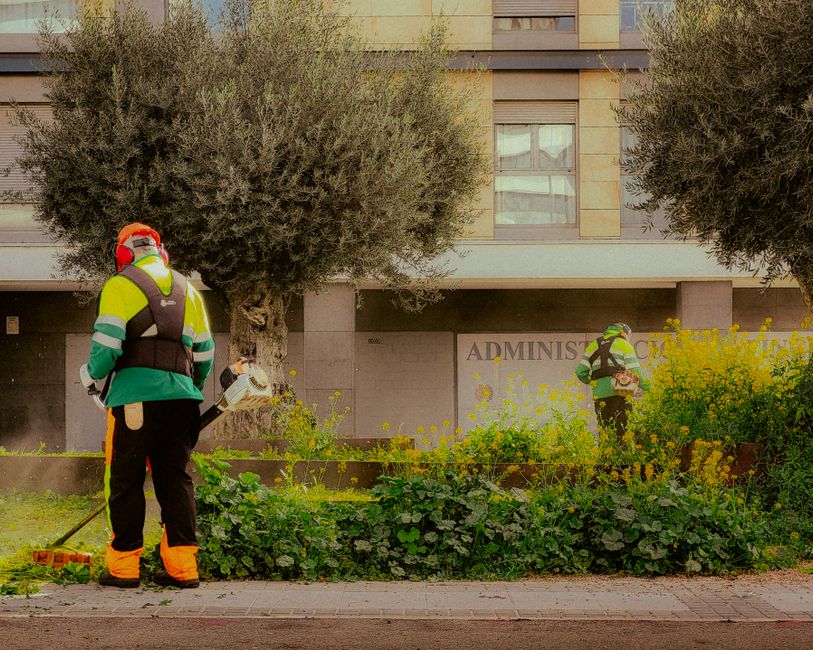
What emerges from conversations across Madrid's diverse communities is clear: sustainability initiatives gain traction when they address genuine environmental concerns—cleaner air, reduced noise, accessible green spaces—yet must grapple honestly with economic costs. The city's expansion of urban forests around the Retiro and new riverside parks has been widely celebrated, yet residents consistently ask whether these improvements will benefit everyone or primarily reinforce existing inequalities.
As Madrid implements its 2026-2030 climate action plan, officials face mounting pressure to demonstrate that the transition to sustainability is genuinely inclusive. For the city's residents—from shop owners in Sol to families in Vallecas—the measure of success will not be policy announcements, but whether they can breathe easier while remaining able to afford their homes.
This article was compiled by AI from the sources linked above and screened before publishing. See our editorial standards.